
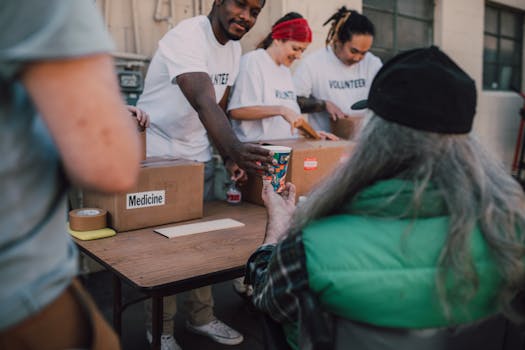
In today’s educational landscape, high school volunteer opportunities provide a critical platform for students to cultivate a range of skills, give back to the community, and build a strong foundation for future career paths. These opportunities not only bolster college applications but also enable students to explore potential interests and develop a sense of civic responsibility early in life.
Why High School Volunteer Opportunities Matter
In an increasingly competitive world, high school volunteer opportunities offer students chances to distinguish themselves. By engaging in volunteer work, students can learn valuable life skills, such as leadership, communication, and teamwork. Additionally, these experiences can highlight a commitment to community service, which is attractive to both colleges and future employers.
Diverse Volunteer Opportunities for Students
Volunteer opportunities for high school students are vast and varied, allowing individuals to align their service work with personal interests and future career goals. Some popular volunteer sectors include animal care, environmental conservation, tutoring, and health services.
For instance, students who are passionate about the arts can volunteer at local theaters or create community art projects. This not only enhances their portfolio but may align with scholarships available for art students. Interested individuals can find more information on scholarships for art students available through such initiatives.
Skill Development Through Volunteer Work
Participating in volunteer work during high school helps students develop a variety of skills essential for personal and academic growth. Leadership and problem-solving are commonly nurtured, as students often manage teams or projects. Working in diverse settings cultivates adaptability and improves cultural competence, preparing students for today’s globalized society.
Building Personal Networks
Volunteering exposes students to a wide array of individuals across different age groups, professions, and backgrounds. This diverse interaction promotes networking, which can be invaluable for future job searches and professional opportunities. Mentorship connections may also emerge, providing guidance throughout students’ educational and professional journeys.
Volunteering and Personal Growth
The personal growth associated with volunteering cannot be overstated. Students often report increased self-confidence, empathy, and a better understanding of the challenges faced by others in their community. These experiences can foster a lifelong commitment to philanthropy and social responsibility.
Understanding the Importance of Reflection
Reflection is a crucial component of the volunteering experience. By contemplating their volunteer work, students can recognize the skills they have developed and the impact they have made. Reflection helps solidify learning outcomes, encourage gratitude, and inspire ongoing community service involvement.
How to Get Started with Volunteer Opportunities
Finding the right volunteer opportunity can initially seem daunting, but numerous resources are available. Students can consult school counselors, local nonprofits, or online platforms. Exploring various fields helps students determine the best fit for their interests and goals.
It’s important to consider the commitment required for different opportunities. Some projects may demand regular weekly hours, while others may be one-time events. Students should evaluate their schedules and interests before committing to ensure a positive and impactful experience.
The Role of Volunteer Work in College Admissions
College admissions officers often view volunteer work as an invaluable component of a student’s application. Demonstrable dedication to community service can provide insight into a student’s character and leadership qualities. Admissions committees look for sustained commitment, impact, and personal growth resulting from volunteer experiences.
Students should aim to weave personal narratives from their volunteer experiences into their college essays. Highlighting specific projects and leadership roles can paint a vivid picture of a student’s values and future aspirations.
Finding Support and Resources
As high school students seek volunteer opportunities, it is crucial to leverage available resources. Online portals, school bulletin boards, and community centers often list volunteer positions and events. Parents and educators can also play a role in guiding students toward matching opportunities.
For more insights and educational resources on volunteerism and its benefits, visit reputable educational sites like Wikipedia’s Education page.
In summary, high school volunteer opportunities unlock doors to personal and professional growth by enabling students to acquire new skills, explore potential careers, and contribute meaningfully to society. By embracing these experiences, students are better prepared for life’s academic and career challenges ahead.
- Volunteering in high school enhances college applications.
- Opportunities exist across a wide range of sectors and interests.
- Skills gained include leadership, teamwork, and empathy.
- Networking and personal growth are significant benefits.
- Reflection aids in understanding and maximizing learning outcomes.
FAQs
What are the best high school volunteer opportunities for students interested in the arts?
Art-focused students can volunteer with local theaters, art galleries, or create community-based art projects. These experiences can also lead to portfolio enhancement and scholarship opportunities.
How do high school volunteer opportunities affect college admissions?
Volunteer work demonstrates a student’s commitment to community service and personal growth, which are attractive qualities for college admissions officers. It may enhance applications by showcasing leadership and dedication.
Can volunteering help me decide on a future career?
Yes, volunteering exposes students to different fields and roles, helping them explore potential career paths, develop relevant skills, and make informed decisions about their future professions.
How do I find volunteer opportunities in my community?
Start by checking with school counselors, community centers, and online platforms that specialize in matching volunteers with nonprofits. Networking with local organizations and consulting mentors can also be beneficial.
Is there a recommended number of volunteer hours for students?
While there is no specific number of hours required, consistency and commitment are key. Students should aim for sustained involvement in projects to maximize personal growth and impact.

