
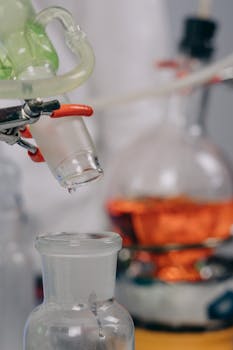
Exploring career possibilities is essential for anyone pursuing a degree in chemistry. From pharmaceuticals to environmental science to academia, a chemistry degree opens doors to diverse fields. This article dives into the question, what can you do with a chemistry degree, and explores several career paths where chemistry graduates can thrive.
What Can You Do with a Chemistry Degree?
A chemistry degree provides graduates with a strong foundation in analytical and critical thinking, skills that are highly valued across a range of industries. This foundation allows chemistry graduates to pursue various career paths that contribute significantly to science and society.
Whether working in a lab, classroom, or corporate office, chemistry graduates have numerous opportunities to apply their knowledge and skills. Some common roles include research scientists, quality control analysts, environmental consultants, and even patent examiners. These roles utilize chemistry in different ways, demonstrating the versatility of the degree.
Career Paths in Chemistry
1. Pharmaceutical Industry
The pharmaceutical industry is a popular choice for chemistry graduates. Roles in this sector include drug development, quality assurance, and regulatory affairs. Chemists in this industry work towards developing new medications, ensuring their effectiveness and safety, and navigating the complex regulatory landscape.
2. Environmental Science
Chemistry graduates with an interest in nature can consider careers in environmental science. Environmental chemists assess pollutants in water, air, and soil, helping to develop sustainable practices and technologies. Their work is crucial in tackling global challenges such as climate change and resource depletion.
3. Academia and Education
Teaching is a rewarding career path for those who enjoy sharing knowledge. Chemistry graduates can become science teachers at the high school level or pursue further education to teach at colleges and universities. Academic careers also offer opportunities for conducting research and contributing to scientific literature.
4. Research and Development
In research and development, chemists work on innovative projects across various industries, including energy, materials, and biotechnology. These roles often require advanced degrees, but they offer the chance to be at the forefront of scientific advancement and innovation.
5. Quality Control and Assurance
In industries like food production and manufacturing, quality control and assurance professionals work to ensure products meet established safety and quality standards. Their role is critical in safeguarding public health and maintaining consumer trust.
6. Forensic Science
For those intrigued by the intersection of science and law, forensic science offers a unique career path. Chemists in this field analyze evidence from crime scenes to assist in legal investigations, making it a vital role within the justice system.
Required Skills and Education
While a chemistry degree provides a solid foundation, additional skills and education can enhance career prospects. Critical thinking, problem-solving, and communication skills are invaluable in any chemistry-related career. Pursuing specialized courses or certifications can also improve employability.
For those interested in further studies, exploring advanced degrees like a master’s or a Ph.D. in chemistry can lead to more specialized roles and potentially higher salaries. These degrees often open doors to research opportunities and academic positions.
Furthermore, skills such as data analysis, computer modeling, and instrumentation expertise are increasingly desirable in fields like materials science and nanotechnology. Tailoring your education to include these skills can set you apart in the job market.
Explore online science pathways at ScholarsHub.net to further enhance your qualifications and expand your career opportunities in science.
Looking Forward: The Future of Chemistry Careers
The landscape of chemistry careers is evolving with technological advancements and global challenges. Emerging fields such as green chemistry, renewable energy, and molecular biology are gaining prominence, creating new opportunities for chemistry graduates.
Participating in interdisciplinary projects and staying informed about advancements in related fields can keep chemistry professionals competitive in the workforce. Engaging with professional organizations and attending conferences can provide networking opportunities and keep you updated on industry trends.
For more detailed information about the profession, visit educational resources on Wikipedia. It is a great starting point for understanding the broader educational landscape and how various academic pursuits can shape career trajectories in the sciences.
Ultimately, the question remains, what can you do with a chemistry degree? The possibilities are only limited by your interests and the efforts invested in your career development.
- A chemistry degree offers various career paths in the pharmaceutical industry, environmental science, academia, and more.
- Pursuing further education can lead to advanced research roles and academic positions.
- Developing skills in data analysis and instrumentation can boost job prospects.
- New fields such as green chemistry and biotechnology are emerging rapidly.
- Networking and staying updated with industry trends enhance career opportunities.
What skills are important for a career in chemistry?
Chemists benefit from strong analytical, critical thinking, and communication skills. Proficiency in data analysis and lab techniques is also crucial.
Can a chemistry degree lead to a career in environmental science?
Yes, many chemistry graduates work in environmental science, focusing on pollution control, sustainable practices, and climate change solutions.
Is pursuing a higher degree necessary for chemistry-related careers?
While not essential for all roles, advanced degrees can lead to specialized positions and opportunities in research and academia.
What industries offer quality control roles for chemistry graduates?
Industries such as pharmaceuticals, food production, and manufacturing often have roles in quality control and assurance for chemistry graduates.
What emerging fields should chemistry graduates consider?
Fields such as green chemistry, renewable energy, nanotechnology, and molecular biology are emerging and offer exciting opportunities.

