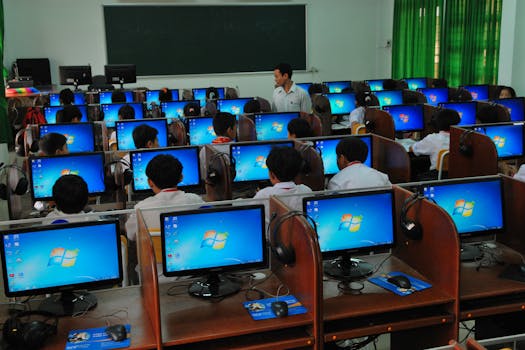
When considering a program in computer science, students often wonder, “Does CS care about how well I perform?” This question touches on the core of educational priorities within computer science curricula and how they align with student success. Academic performance is undeniably a consideration, but how important is it, and what are the other factors that matter?
Does CS Care About How Well I Perform?
Computer science programs do value student performance, but they also emphasize a range of skills and experiences. Success in computer science is not solely gauged by grades. While academic achievements can open doors, computer science education prioritizes problem-solving skills, adaptability, and a keen understanding of computational thinking.
A strong performance in coursework reflects a student’s ability to grasp complex concepts, which is crucial in fields like artificial intelligence, data science, and software engineering. Exploring scholarship opportunities can further support students’ educational pursuits and recognize their high performance.
Holistic Approaches in CS Education
Top computer science programs are increasingly adopting holistic admissions and educational strategies. This approach acknowledges the multifaceted nature of student success beyond mere academic metrics. Teamwork, communication skills, and innovation are highly valued, often equal to academic performance. Work experience, internships, and personal projects can significantly bolster a student’s profile.
Moreover, interdisciplinary study areas and practical applications of computer science principles are crucial. Programs encourage students to engage in projects that demonstrate real-world problem-solving skills, which are often more indicative of a student’s potential than grade point averages alone.
The Role of Extracurricular Activities
Extracurricular activities can enhance a student’s learning experience and are crucial in developing a well-rounded profile. Involvement in coding clubs, hackathons, and open-source projects can demonstrate a genuine interest in technology and the ability to apply knowledge practically.
These activities show a student’s initiative, leadership, and ability to work collaboratively, all of which are critical in today’s tech-oriented job market. Students are encouraged to pursue passions that align with their career goals, providing invaluable experience that complements their academic pursuits.
Industry Perspectives on Student Performance
The tech industry appreciates strong academic backgrounds but also values practical experience and skills earned outside the classroom. Companies look for candidates who can apply theoretical knowledge in practical settings, adapt to new technologies, and collaborate effectively with diverse teams.
Networking, attending industry conferences, and completing internships can provide insight into the skills employers seek. Understanding what the industry values can guide students in making educational choices that align with their career ambitions.
Continuous Learning and Skills Development
The field of computer science is dynamic, requiring constant learning and adaptation. Students are encouraged to actively seek out new learning opportunities via online courses, certifications, and workshops. Platforms like Coursera, edX, and others offer valuable resources to keep skills sharp and up-to-date.
Moreover, the emphasis on lifelong learning prepares students to face the challenges of a fast-evolving digital landscape, ensuring they remain competitive regardless of initial academic performance.
Conclusion
Ultimately, “does CS care about how well I perform” encapsulates a broad consideration of factors affecting success in computer science. While grades are important, they are just one facet of a student’s overall profile. Emphasizing a blend of academics, practical experience, and soft skills can lead to a prosperous career in technology.
- Computer science programs value both academic performance and practical skills.
- Holistic approaches are increasingly common in admissions.
- Extracurricular activities enhance learning and career prospects.
- Industry values candidates with practical experience and adaptability.
- Continuous learning is key to staying competitive in tech.
What are the key skills valued in computer science?
Problem-solving, adaptability, communication, and collaboration are critical skills in computer science, alongside technical proficiency.
How can students showcase their performance beyond grades?
Engaging in internships, personal projects, and participating in tech-related extracurricular activities can highlight practical ability and interest.
What role do extracurriculars play in CS education?
Extracurriculars help students develop soft skills, network, and apply their learning in real-world contexts, complementing academic studies.
What resources are available for continuous learning in CS?
Online courses, certification programs, and tech workshops are widely available through platforms like Coursera, edX, and others.
How does industry view academic performance in CS candidates?
While important, industry also values practical experience, hands-on skills, and the ability to adapt and learn continuously in a tech-driven environment.
For more background on education in general, you can read about it on Wikipedia.