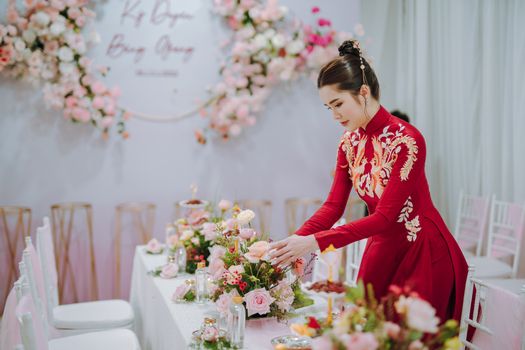
Are you drawn to the dynamic world of event planning and looking to make a career move? Event planner coordinator jobs offer exciting opportunities across various industries. As an event planner coordinator, you’ll be instrumental in crafting memorable experiences, managing logistics, and ensuring everything runs smoothly. This role blends creativity with practical skills, making it perfect for those who love detail-oriented tasks and people interaction.
Understanding Event Planner Coordinator Jobs
The primary function of an event planner coordinator is to plan and execute events, including corporate meetings, weddings, festivals, and conventions. This career demands extraordinary organization, communication, and negotiation skills. Event planners work closely with clients to identify their needs and create tailored event experiences. Moreover, they must manage budgets, coordinate staff, and liaise with vendors, which requires a combination of creativity and business acumen.
Skills Required for Success
Success in event planner coordinator jobs depends heavily on a diverse skill set. Organizational skills are paramount, helping you juggle multiple tasks and keep track of all event details. Exceptional communication skills are also essential for interacting with clients and vendors. Strong problem-solving abilities ensure you can handle unexpected challenges with ease. Creativity allows you to design unique and engaging events that meet clients’ visions and expectations.
Steps to Enter the Field
If you’re considering a career in event planning, getting started can seem daunting. Initially, gaining relevant experience is crucial. Internships and volunteer work provide valuable industry insights and help build your portfolio. Obtaining a degree in hospitality, public relations, or a related field can enhance your credentials.
For moms returning to work, exploring initiatives like the Google Return to Work Program can be a helpful step in transitioning into a new career path.
Networking and Building Relationships
Networking plays a vital role in ensuring long-term success in event planner coordinator jobs. Building relationships with vendors, clients, and fellow planners is imperative. Joining professional organizations can provide networking opportunities and latest industry trends insights. Networking also opens doors to partnerships, collaborative projects, and client referrals.
Challenges You May Face
Like any career, event planning has its challenges. One of the significant challenges is managing time effectively, as events often have tight deadlines. Cost management is another critical factor, as staying within budget is vital while still delivering high-quality experiences. Lastly, dealing with unexpected problems requires you to be quick on your feet and adapt to sudden changes with a calm demeanor.
Future Trends in Event Planning
The event planning industry constantly evolves, with technology playing an integral role in shaping its future. Virtual events, for instance, have become more prevalent, necessitating expertise in digital platforms and technologies. Sustainability is also gaining importance, with clients increasingly seeking eco-friendly event solutions.
Additionally, personalized experiences are in demand. Event planners need to harness data analytics to understand their audiences better and tailor events to meet their specific needs and preferences.
Educational Resources and Certifications
To boost your career prospects, consider pursuing further education or certification. Valuable resources like the Certified Meeting Professional (CMP) or Certified Special Events Professional (CSEP) can provide a competitive edge. Educational courses focusing on the latest trends and technologies in event planning can also be crucial for staying current in this dynamic field.
Conclusion: Your Future in Event Planner Coordinator Jobs
Pursuing event planner coordinator jobs can be a fulfilling career for those passionate about creating impactful experiences. With dedication and the right skill set, you can excel in this creatively demanding yet rewarding profession. As the industry evolves, staying informed about trends and networking within the community will be essential to your success.
- Event planner coordinators play a crucial role in organizing successful events.
- Key skills include organization, communication, and creativity.
- Networking and ongoing education are vital for career growth.
- The industry is evolving with trends like virtual events and sustainability.
- Consider certifications to enhance your career prospects.
FAQ
What qualifications do I need to become an event planner coordinator?
While formal education isn’t always required, a degree in hospitality, marketing, or communications can be beneficial. Experience through internships or volunteer work is highly valuable.
Are certifications important in this field?
Certifications like the Certified Meeting Professional (CMP) can enhance your credentials and may lead to better job opportunities and higher pay.
How do I gain experience in event planning?
Internships, volunteering at events, and part-time positions at catering companies or hotels can help you gain valuable experience in event planning.
What are the main challenges of this job?
Time management, budget constraints, and handling unexpected issues are common challenges faced by event planner coordinators.
How is technology influencing event planning today?
Technology is crucial, with virtual events becoming common and data analytics aiding in creating personalized experiences. Staying updated with digital tools is key.
For more detailed information on education pathways relevant to this field, consider visiting Wikipedia’s education page.