
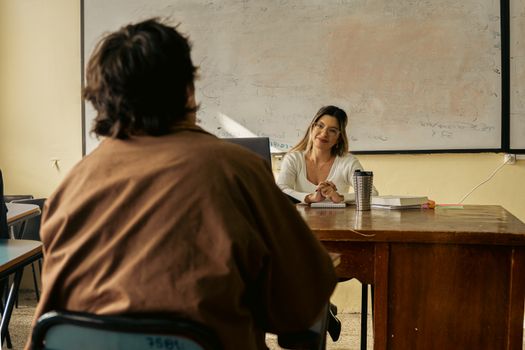
The role of a special education teacher extends beyond mere instruction; it is about creating a nurturing environment that fosters the learning and development of students with diverse needs. These dedicated professionals are trained to tailor educational approaches to meet each student’s unique challenges and strengths, ensuring access to the quality education that every child deserves.
Understanding the Role of a Special Education Teacher
Special education teachers work with students who have a wide range of learning, mental, emotional, and physical disabilities. Their primary goal is to support the individual learning needs of their students through personalized educational plans and teaching methods. They collaborate with other educators, parents, and professionals to develop effective strategies that enhance academic and personal growth.
Core Responsibilities
Special education teachers perform a variety of roles that include but are not limited to:
- Developing and implementing Individualized Education Programs (IEPs) tailored to each student’s specific needs.
- Adapting general education lessons and teaching various subjects, including reading, writing, and mathematics, to students with speech, language, or other learning disabilities.
- Tracking and assessing students’ progress, and adjusting strategies as needed to ensure continuous improvement.
- Collaborating with a multidisciplinary team that might include therapists, counselors, and general education teachers to provide comprehensive support.
Required Skills for Special Education Teachers
To excel, special education teachers must possess a blend of skills that facilitate learning and understanding. Key skills include:
- Patience: Dealing with the varying pace of learning and behavioral challenges requires great patience and understanding.
- Problem-solving: Teachers must creatively address the diverse challenges that arise in adapting curriculum to meet student needs.
- Communication: Effective interaction with students, parents, and other educators is crucial to student success.
- Organization: Managing multiple students with varying goals necessitates strong organizational skills.
Education and Training
Becoming a special education teacher typically requires a bachelor’s degree in special education. Some positions may require a master’s degree along with additional certification or credentials specific to special education. Furthermore, practical experience gained through teaching internships or assistantships is invaluable for professional growth.
Continuous professional development is essential for maintaining effective teaching techniques and staying current with advancements in educational practices. Workshops, seminars, and conferences are excellent resources for learning the latest strategies and tools available to special education professionals.
Impact on Student Success
The influence of special education teachers on students is profound. They not only contribute to academic achievements but also enhance students’ social and emotional development. By promoting individualized learning, these educators help students gain independence and self-confidence, preparing them for future educational or vocational pursuits.
Moreover, special education teachers can identify the unique talents and interests of students, guiding them to opportunities that can enrich their lives. These educators often play a crucial role in enabling students to access scholarships and resources designed for students with disabilities, providing pathways to higher education and beyond.
Challenges and Rewards
Working as a special education teacher comes with its set of challenges. The workload can be demanding due to the level of personalization required in lesson planning, and teachers might encounter behavioral issues that require conflict resolution skills. However, the rewards far outweigh these challenges. Witnessing the breakthroughs and achievements of their students provides an immense sense of accomplishment and fulfillment, making this career path incredibly rewarding.
The Future of Special Education
As the educational landscape evolves, the demand for special education teachers is expected to grow. Innovations in assistive technology and more comprehensive awareness of diverse learning needs will continue to shape this field. According to BLS.gov, employment for special education teachers is projected to grow as schools seek better resources to integrate students with disabilities into general education settings.
By embracing new technologies and teaching techniques, special education teachers will continue to empower students, helping them overcome barriers and achieve their full potential.
Conclusion
Ultimately, the role of a special education teacher is one of significant impact and influence. These dedicated professionals transform challenges into opportunities and foster an inclusive environment where every student can thrive. As education systems worldwide recognize the value of diversity and inclusivity, the need for skilled special education teachers remains critical to fostering student success and inspiring brighter futures.
- Special education teachers adapt teaching methods to meet unique student needs.
- They collaborate with other professionals to develop personalized learning plans.
- The role requires patience, communication skills, and a passion for teaching.
- Special education teachers significantly impact students’ academic and personal growth.
- The demand for these educators is expected to rise, making it a promising career path.
What is a special education teacher?
A special education teacher is an educator trained to work with students who have a wide range of learning, mental, emotional, and physical disabilities. They are responsible for developing and implementing personalized educational plans to support each student’s unique learning needs.
What qualifications are needed to become a special education teacher?
A bachelor’s degree in special education is typically required, and some positions may require a master’s degree and specific certifications. Practical experience through internships or assistantships is also highly beneficial.
How do special education teachers support student success?
They employ tailored teaching strategies to meet students’ individual needs, collaborate with other educators and professionals, and help students develop socially and emotionally, ultimately preparing them for future educational and career opportunities.
What challenges do special education teachers face?
Challenges include managing diverse learning needs within a single classroom, addressing behavioral issues, and maintaining extensive documentation and communication with parents and other educators. However, the rewards of experiencing student growth and success often outweigh these challenges.
How is the field of special education changing?
The field of special education is evolving with the incorporation of assistive technologies and an increased focus on inclusive practices. These changes aim to provide more comprehensive support and integration for students with disabilities into general education settings.

