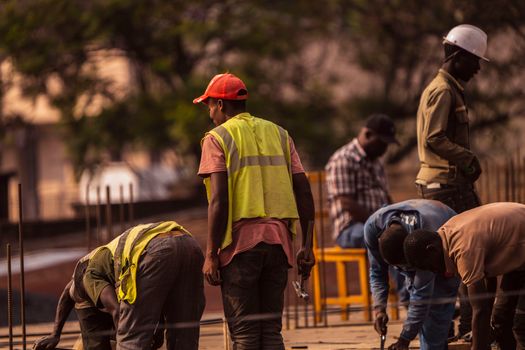
In recent years, there has been a rising interest in full time female offshore jobs as more women seek to break into industries traditionally dominated by men. These opportunities provide a chance for women to not only advance their careers but also become key players in global economic activities. This article explores the types of jobs available, the challenges women face in these positions, and the benefits these roles offer.
Types of Offshore Jobs Available for Women
Full time female offshore jobs are becoming increasingly varied as industries recognize the value of diversifying their workforce. Common sectors offering these opportunities include the oil and gas industry, maritime roles, and renewable energy projects, such as offshore wind farms.
Oil and Gas Industry
The oil and gas sector offers a range of positions, from engineering roles to project management. Women in engineering, geology, and environmental science can find fulfilling careers in exploration and drilling operations. These roles often require specialized education and training, but they provide a rewarding career path with substantial growth potential.
Maritime Positions
Working in maritime positions, women can engage in roles such as ship operations, navigation, and logistics management. This sector is ideal for those who enjoy travel and working in dynamic environments. Opportunities for career advancement are plentiful as companies emphasize the importance of inclusivity and harnessing diverse perspectives.
Renewable Energy Offshore Jobs
The push for sustainable energy sources has resulted in jobs in offshore wind farms and other renewable projects. Women with expertise in environmental science, engineering, and project management can significantly contribute to these initiatives’ success. This rapidly expanding field holds promise for sustainable development and innovation.
Challenges and Solutions in Full Time Female Offshore Jobs
While opportunities abound, women face unique challenges in the offshore workforce. Overcoming these barriers is crucial for expanding female participation in these roles.
Work-Life Balance
One of the key challenges is achieving work-life balance, especially given the demanding nature of offshore jobs. Many women juggle these roles with family responsibilities, requiring robust support systems both at work and home. Companies are increasingly offering flexible schedules and enhanced communication channels to support their employees.
Gender Stereotypes
Gender stereotypes and biases can hinder women’s progress in offshore roles. Organizations are working to dismantle these barriers through diversity and inclusion training and by promoting women into leadership positions. Mentorship programs are also instrumental in providing support and guidance.
Safety Concerns
Safety is a paramount concern in offshore jobs. Companies must ensure a secure environment for all employees by adhering to international safety standards and regularly updating protocols. Women’s safety issues are addressed through proper onboard facilities, ensuring a safe and supportive work environment.
Benefits of Full Time Female Offshore Jobs
Despite the challenges, the benefits of pursuing full time female offshore jobs are significant. These roles offer competitive salaries and the chance for women to impact industries driving global economies. Furthermore, careers in this sector are often accompanied by comprehensive health and retirement benefits. The skills gained in these positions are transferable to various industries, enhancing employability.
Career Development
Offshore jobs offer excellent pathways for career advancement. With the emphasis on continuous education and on-the-job training, women gain invaluable skills that propel them forward in their careers. The diverse, fast-paced nature of these roles ensures ongoing personal and professional growth.
Networking and Mentorship Opportunities
Engaging in offshore roles introduces women to a vast network of professionals. Networking is crucial for personal development and creates opportunities for mentorship. Seasoned mentors can offer invaluable insights, helping navigate career paths and overcoming industry-specific challenges.
As more women pursue these opportunities, the face of the offshore industry continues to evolve. Organizations benefit from diverse perspectives, fostering innovation and competitive advantage. For women considering a shift to offshore careers or other new beginnings, resources such as our guide to career changes for women can provide further insight and support.
Overall, the evolving landscape of full time female offshore jobs encourages women to explore diverse industries, bringing inclusive changes and redefining traditional workforce structures. To learn more about global employment trends, visit this informative article on Education.
- Offshore jobs are available across various industries including oil and gas, maritime, and renewable energy.
- Challenges for women in these roles include work-life balance and safety concerns.
- Offshore jobs offer competitive benefits and opportunities for professional growth.
- Networking and mentorship are critical components of career success in these roles.
- As the industry diversifies, more women are entering and thriving in offshore positions.
What sectors are most common for full time female offshore jobs?
The oil and gas industry, maritime positions, and renewable energy projects such as offshore wind farms are among the most common sectors.
How can women overcome the work-life balance challenges in offshore jobs?
Companies are offering flexible schedules and enhanced communication to support work-life balance. Personal support systems at home are also essential.
What initiatives are tackling gender stereotypes in the offshore workforce?
Diversity and inclusion training, promoting women into leadership roles, and mentorship programs are some of the initiatives addressing gender biases.
Are there safety protocols specific to women in offshore positions?
Safety protocols must adhere to international standards, with specific considerations such as proper onboard facilities to ensure women’s safety.
What are the benefits of working offshore for women?
Women gain access to high salaries, comprehensive benefits, career development opportunities, and a network of industry professionals.