
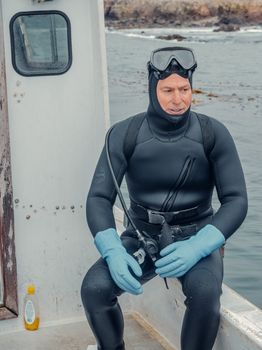
Marine biology is an intriguing and diverse field, but those considering a career in this area often wonder, “How much do marine biologists make?” Understanding the salary landscape is crucial for prospective marine biologists as they plan their educational and career pathways. Salaries can vary significantly based on factors such as education, experience, and geographical location.
How Much Do Marine Biologists Make?
The earnings of marine biologists can vary widely. According to Wikipedia, marine biology encompasses the study and preservation of marine environments and their organisms. This breadth in job scope contributes to the diversity in salary potential.
Entry-Level Salaries
For those just starting, entry-level salaries for marine biologists generally range between $30,000 to $50,000 annually. These figures often depend on the level of education attained. Individuals with a bachelor’s degree might find themselves on the lower end of this range, while those with a master’s degree can expect to earn closer to the upper end.
Mid-Career Marine Biologists
As marine biologists gain experience and further education, their earning potential increases. Mid-career professionals, typically with several years of experience or a doctoral degree, can earn between $60,000 and $80,000 per year. Those who specialize in high-demand areas or work in regions with abundant marine resources may earn even more.
Highly Experienced Professionals
Experienced marine biologists who have established themselves in research, academia, or consultancy roles often see salaries exceeding $100,000 annually. Senior professionals may also engage in management roles in environmental agencies, contributing to higher earnings.
Factors Affecting Marine Biology Salaries
A variety of factors impact how much marine biologists earn annually. Location is a primary determinant, with coastal areas often providing more opportunities and potentially higher pay. Specific industries also play a role; those involved in research and development might earn differently than those in academia or governmental positions.
Educational Requirements Influence Salaries
The educational path toward becoming a marine biologist can start as early as acquiring a bachelor’s degree in marine biology, biology, or a related field. For career advancement, earning a master’s or Ph.D. is advisable. These advanced degrees often translate to higher salaries and more specialized roles within the marine biology sector. For more details on high-paying jobs, visit our Beginners Guide to Jobs That Earn $80k a Year.
Marine Biologist Responsibilities
Marine biologists have varied responsibilities that may include conducting in-depth research, teaching at universities, or working directly on conservation projects. These roles influence how much marine biologists make a year. The nature and scope of their work can demand specific skills and knowledge, impacting their overall compensation.
Salary Comparisons with Other Biology Fields
While marine biologists earn commendable salaries, comparing these figures with other biology or environmental science roles can provide additional context. For instance, a wildlife biologist or an ecologist might have similar salaries depending on their education and job specifications.
Globally, the profession may also offer different salary ranges, with international organizations sometimes offering more competitive packages, especially for those willing to travel or work abroad.
Conclusion
In conclusion, how much do marine biologists make depends significantly on their experience, educational background, and the region of employment. With the right combination of these factors, this field offers a rewarding career both financially and personally.
- Entry-level marine biology salaries typically start from $30,000 to $50,000 annually.
- Factors like location, experience, and specialization affect salary.
- Mid-career and experienced professionals may earn upwards of $80,000.
- Advanced degrees can lead to higher-paying positions.
- Marine biology offers diverse roles from research to conservation.
What educational background is needed to become a marine biologist?
Marine biologists generally need at least a bachelor’s degree in marine biology or a related field. Advanced degrees such as a master’s or Ph.D. are often necessary for higher-level positions or specialization.
Are there high-paying areas within marine biology?
Yes, specialization in fields such as marine biotechnology or environmental law can lead to higher salaries. Additionally, positions within the industry or governmental agencies might offer competitive salaries.
What is the job outlook for marine biologists?
The demand for marine biologists is expected to grow as environmental concerns and conservation efforts become more prominent. This growth can translate into more job opportunities and potentially higher salaries.
Do marine biologists travel often?
Many marine biologists travel, especially those involved in field research or environmental consulting. Travel may be necessary to study marine life habitats or present research findings at conferences.
How does the salary of a marine biologist compare internationally?
Salaries can vary greatly by country, often reflecting the cost of living and demand for specialization. Some international organizations offer competitive salaries, particularly those involved in global conservation efforts.

