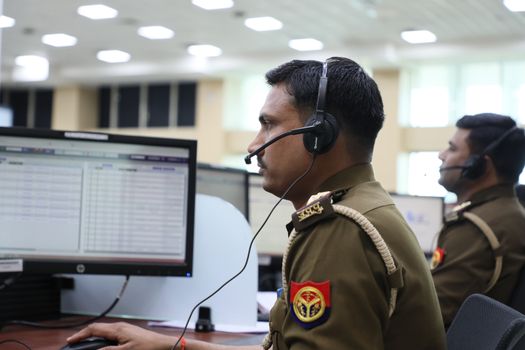
Police dispatcher jobs are pivotal roles within the public safety sector, offering a unique blend of excitement, responsibility, and the opportunity to make a real difference in communities. These professionals are the critical link between the public and emergency services and play a key role in ensuring efficient communication during emergencies. If you’re looking for a career that combines communication skills with crisis management, becoming a police dispatcher might be the perfect fit for you.
Understanding Police Dispatcher Jobs
Police dispatchers are essential in coordinating emergency response efforts, receiving calls from the public, and directing law enforcement personnel to various locations. This role involves a high level of multitasking, as dispatchers manage multiple communication channels, including radio, phone, and computer systems, simultaneously.
Individuals in police dispatcher jobs need to remain calm and composed under pressure, ensuring accurate information is relayed promptly to the appropriate emergency services. They also keep detailed records of all calls and events, which requires attention to detail and a structured approach to handling information.
Key Responsibilities of a Police Dispatcher
The primary responsibilities of a police dispatcher include answering emergency and non-emergency calls, assessing the nature of the call, and providing the necessary information to police officers and other emergency personnel. Dispatchers must make quick decisions based on limited information and often provide life-saving instructions or advice to callers.
Additionally, police dispatchers use computer systems to input and track call information, ensuring that all data is accurate and up-to-date. They play a critical role in identifying false alarms and prioritizing calls based on severity, which helps in optimizing the deployment of police resources.
Skills Required for Police Dispatcher Jobs
Prospective police dispatchers must possess excellent communication skills, both verbal and written, to handle various calls effectively. They need strong decision-making abilities and attention to detail to assess situations and provide correct information rapidly.
Technical skills are also important, as dispatchers work with advanced communication systems and databases. Moreover, emotional resilience and stress management are crucial, given the high-pressure nature of the job, where decisions can impact lives significantly.
Training programs are often necessary to attain these skills, and many dispatchers receive on-the-job training to familiarize themselves with specific procedures and technologies used by their department.
Career Path and Progression
Police dispatcher jobs can be a starting point for further career development within the law enforcement field. Many dispatchers move on to supervisory roles or specialized positions that require additional expertise.
Advancement opportunities may include roles such as lead dispatcher, communication center manager, or other administrative positions. These roles often require additional training and experience but provide the opportunity for a rewarding career within public safety.
For those interested in returning to the workforce after a break, exploring programs like Google’s Return to Work Program for Moms can be an invaluable resource for refreshing skills and gaining confidence.
Challenges and Rewards
Working as a police dispatcher can be challenging due to the high stakes involved in emergency situations. Dispatchers must maintain composure and clarity in highly stressful scenarios, where the accuracy and speed of their responses can make a difference in the outcome.
Despite these challenges, the sense of purpose and contribution to community safety is highly rewarding. Dispatchers are often the unsung heroes in emergency responses, providing the critical link between those in need and the emergency personnel who save lives.
Many dispatchers find satisfaction in knowing they are part of a system that helps protect and serve the community, which can be a strong motivating factor in the role.
Education and Certification
Most police dispatchers are required to have a high school diploma or equivalent, but some positions may require additional education or certifications. Training programs often include emergency dispatch courses and may require passing tests such as the EMD (Emergency Medical Dispatcher) certification.
Certification ensures dispatchers are skilled in emergency protocols and can handle various types of emergencies. Continuous education opportunities allow dispatchers to update their knowledge and stay informed about the best practices in emergency response.
For more comprehensive insights into education pathways in emergency services, please visit this resource.
Are Police Dispatcher Jobs Right for You?
If you thrive in fast-paced environments, have excellent communication skills, and wish to make an impact through public service, police dispatcher jobs might be ideal. Although demanding, this career offers significant personal fulfillment, knowing your efforts directly contribute to community safety.
- Police dispatcher jobs are essential in public safety.
- Dispatchers need strong communication and decision-making skills.
- Career development opportunities are available within the field.
- While challenging, the role provides a strong sense of purpose.
- Continuous education and certification help maintain skills.
What qualifications do I need to become a police dispatcher?
Typically, a high school diploma or equivalent is required. Some roles may require additional education or certifications in emergency dispatch.
What are the main duties of a police dispatcher?
Police dispatchers handle incoming calls, assess situations, relay information to law enforcement, and maintain communication systems.
Are there career advancement opportunities as a police dispatcher?
Yes, dispatchers can advance to supervisory positions, communication center management, or specialize further within the emergency services sector.
How stressful is working as a police dispatcher?
The role can be stressful due to its high-pressure nature and the critical impact of decisions on public safety. However, many find the work rewarding and fulfilling.
Can I transition to police dispatching after a career break?
Yes, programs like the Google Return to Work Program for Moms can assist in skill refreshment and reintegration into the workforce.