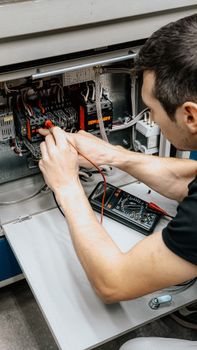
Embarking on a career in electrical jobs offers a thrilling and dynamic path that intertwines technology, innovation, and hands-on problem-solving. With the world becoming increasingly reliant on electrical systems and renewable energy, skilled professionals in this field are more in demand than ever. Whether you’re contemplating a new career path or seeking to advance in your current role, understanding the vast opportunities available in electrical jobs can be a game-changer.
Understanding Electrical Jobs
Electrical jobs encompass a broad spectrum of roles that involve working with electrical systems. From designing electrical circuits to installing and maintaining intricate wiring networks, these positions require a strong foundation in physics and mathematics. Careers in this field vary widely, including electricians, electrical engineers, system technicians, and renewable energy specialists. Each role plays a vital part in ensuring the safe and efficient operation of electrical systems in homes, businesses, and industrial settings.
Diverse Career Paths in Electrical Jobs
The career paths in electrical jobs are numerous and varied. Here are some of the most prominent roles you can explore:
- Electricians: These professionals are responsible for installing, maintaining, and repairing electrical systems. Electricians often work in residential, commercial, and industrial settings and must have a strong understanding of building codes and safety regulations.
- Electrical Engineers: They design, develop, and test electrical equipment and systems, from small-scale electronic devices to large power grids. Electrical engineers often work in industries such as telecommunications, automotive, and aerospace.
- Power Plant Technicians: These technicians operate and maintain the equipment used to generate electricity in power plants. They are essential in ensuring that energy is produced efficiently and safely.
- Renewable Energy Technicians: With the rise of sustainability, more professionals are needed to install and maintain renewable energy systems like solar panels and wind turbines.
Each of these roles requires specific skills and knowledge, along with varying levels of education and certification. Exploring the necessary training can guide you on the correct path for your career goals.
The Importance of Education and Certification
Education plays a critical role in entering and succeeding in electrical jobs. While some positions, such as entry-level electrician roles, may only require a high school diploma or GED, others demand advanced degrees and certifications. For instance, becoming an electrical engineer typically necessitates a bachelor’s degree in electrical engineering or a related field.
Certifications can enhance your credentials, demonstrating competence and professionalism. For those interested in broadening their expertise, scholars might consider exploring free online courses available to expand skills in various technical areas.
Emerging Trends and Opportunities
As technology evolves, so do the trends and opportunities within electrical jobs. A significant trend is the increasing focus on green energy and sustainability. Professionals adept in renewable energy technologies are increasingly sought after as businesses and governments aim to reduce carbon footprints.
Similarly, the advent of smart home technologies and IoT (Internet of Things) devices opens new avenues for electricians and engineers to engage with cutting-edge innovations. Staying informed about these trends can be a key advantage for those entering or advancing in this sector.
Advantages of a Career in Electrical Jobs
Pursuing a career in electrical jobs offers numerous advantages. First, there is a consistent demand for skilled professionals, providing job security and potential for advancement. According to the Bureau of Labor Statistics, employment for electricians is projected to grow as fast as the average for all occupations, which underscores the ongoing need for these essential services.
Additionally, many positions offer competitive salaries and benefits, making it a financially rewarding career path. Beyond financial gains, the satisfaction of solving complex problems and contributing to critical infrastructure can be a significant draw for those with a passion for technology and innovation.
Preparing for a Future in Electrical Jobs
To prepare for a successful future in electrical jobs, consider the following steps:
- Explore educational opportunities, ranging from trade schools to university programs.
- Gain hands-on experience through apprenticeships or internships. These can provide a practical understanding of the work environment and help you build a professional network.
- Stay up-to-date with industry trends and technological advancements to keep your skills relevant.
- Pursue certifications that emphasize your expertise and commitment to the field.
Conclusion
In conclusion, electrical jobs offer a diverse and promising career path filled with opportunity and innovation. Whether you’re drawn to the technical aspects of engineering or the hands-on work of installation and maintenance, there’s a place for you in this thriving industry. As the global demand for electrical solutions continues to grow, so too will the opportunities for skilled professionals ready to harness the power of electricity.
Takeaways
- Electrical jobs cover a range of roles from electricians to engineers.
- Education and certification are critical for career advancement.
- Emerging technologies offer new opportunities in the field.
- The demand for skilled electrical professionals continues to rise.
- A career in electrical jobs can be both financially rewarding and personally satisfying.
FAQs
What are the primary roles in the field of electrical jobs?
The primary roles include electricians, electrical engineers, power plant technicians, and renewable energy technicians.
What education is required for electrical jobs?
Requirements vary by role, ranging from a high school diploma for entry-level positions to a bachelor’s degree for engineering roles.
What trends are influencing careers in electrical jobs?
Sustainability and smart technologies are significant trends, leading to new opportunities in renewable energy and IoT systems.
How can I start a career in electrical jobs?
Consider relevant educational programs, gain hands-on experience through apprenticeships, and earn certifications to enhance your qualifications.
Are there job growth opportunities in electrical jobs?
Yes, the industry is experiencing steady growth with opportunities emerging due to increased demand for electrical services and new technologies.