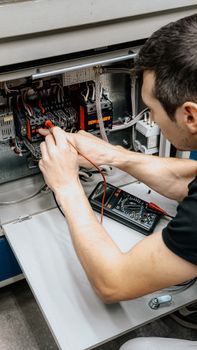
Starting a career as an electrician helper provides a practical introduction to the electrical trade. This role is ideal for individuals interested in technical work and who want to pursue a stable and well-paying career. By joining electrician helper jobs, you’ll gain valuable hands-on experience and learn the foundational skills required to excel in the electrical industry.
The Fundamentals of Electrician Helper Jobs
Electrician helper jobs involve assisting licensed electricians with various tasks, from installing and repairing electrical systems to maintaining safety standards. These roles require a mix of technical skills, problem-solving abilities, and manual dexterity. As an electrician helper, you’ll be crucial in ensuring projects are completed safely and efficiently.
Duties typically include organizing tools, preparing work areas, and following the lead of senior electricians. It’s an excellent opportunity for those keen to learn about circuit systems, wiring, and electrical components in a safe, supervised environment.
Why Choose Electrician Helper Jobs?
For many, the appeal of electrician helper jobs lies in the opportunities for career development and skill acquisition. The role is often seen as a stepping stone towards becoming a certified electrician. This path offers both immediate employment opportunities and the chance to earn while learning.
The demand for skilled tradespeople in this sector is growing, fueled by construction booms and the need for updated infrastructure. Electrician helpers are in high demand, and the role offers a competitive starting salary with potential for growth and specialization.
Skills and Qualifications Needed
Electrician helper positions generally require a high school diploma or equivalent. However, many employers place a higher value on skills and character traits like attention to detail, a willingness to learn, and strong communication skills. Experience with tools and a basic understanding of electrical concepts can be beneficial.
Additionally, some technical schools offer programs that provide certifications or further education in electrical trades, enhancing your resume and job prospects. Pursuing certifications in areas such as OSHA safety standards can further complement your qualifications, making you a more attractive candidate for electrician helper jobs.
On-the-Job Learning and Experience
One of the biggest benefits of electrician helper jobs is the opportunity for on-the-job learning. Helpers gain practical experience by engaging with various electrical systems under the guidance of seasoned professionals. This experiential learning can significantly enhance your understanding of electrical principles and practices.
Moreover, many employers offer apprenticeship programs that structure this experience, blending classroom education with practical application. For those interested, you can learn more about earning while you learn in the electrical industry by exploring our guide to jobs that pay you to master new skills.
Career Advancement Opportunities
Electrician helper jobs are a starting point that can lead to various career paths. Experience gained as a helper often meets the prerequisites for becoming an electrician apprentice, a direct path to becoming a licensed journeyman electrician.
Specializing in areas like industrial, commercial, or residential electrical work can further increase your career prospects. Advanced specializations may lead to roles in management, inspection, or even the establishment of your electrical contracting business.
Health and Safety Considerations
Health and safety are paramount in electrician helper jobs. Working with electrical systems requires strict adherence to safety protocols to prevent accidents. It’s essential that all helpers are familiar with pertinent safety guidelines and use necessary personal protective equipment.
Regular training on best practices for safety and responding to hazards ensures that helpers not only protect themselves but also maintain a safe working environment for their colleagues and clients. For more detailed safety guidelines, you can visit the Occupational Safety and Health Administration (OSHA) site for resources and information.
Takeaways
- Electrician helper jobs offer valuable, hands-on experience in the electrical industry.
- The role provides a potential pathway to becoming a certified electrician and beyond.
- Skills learned on the job can lead to specialized and advanced career opportunities.
- Understanding and adhering to health and safety standards is crucial.
- Paths for learning and advancement include certificates, apprenticeships, and on-the-job training.
FAQs
What do electrician helpers do?
Electrician helpers assist journeymen and master electricians with various tasks including installation, repair, and maintenance of electrical systems. They coordinate tools, prepare work areas, and support electricians in daily operations.
How can I become an electrician helper?
To become an electrician helper, you typically need a high school diploma or equivalent. Some technical schools offer relevant certifications. Demonstrating a willingness to learn and adhere to safety standards can also help in securing a position.
Are electrician helper jobs in demand?
Yes, electrician helper jobs are in high demand due to continued growth in construction and the need for infrastructure upgrades. This demand is expected to continue, providing consistent opportunities for workers in this field.
What are the career advancement opportunities in this field?
Starting as an electrician helper can lead to an apprenticeship as an electrician, followed by licensure as a journeyman, and eventually roles in management or electrical inspection. Specializations enhance career opportunities further.
Is prior experience needed to be an electrician helper?
While prior experience with electrical work can be beneficial, it is not always required. Many employers value a willingness to learn, attention to safety, and strong communication skills over experience.