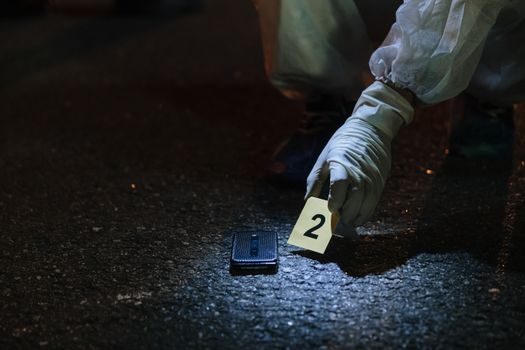
Forensics jobs have gained significant traction in recent years, offering a wide array of career opportunities in various fields such as law enforcement, legal systems, and scientific labs. As crime-solving stories continue to captivate audiences worldwide, many are curious about the real-world roles that support such fascinating narratives. Whether you are interested in the intricate details of crime scene processing or the fascinating world of digital forensics, there is a place for you in this dynamic field.
Understanding Forensics Jobs
Forensics jobs encompass a broad spectrum of roles, each requiring unique skills and expertise. These positions can be found in both public and private sectors, ranging from laboratory settings to on-site investigations. Typical roles include forensic scientists, crime scene investigators, and digital forensics analysts, each playing a critical role in the pursuit of justice and truth.
Types of Forensics Jobs
Here are some of the most common types of forensics jobs:
- Forensic Scientist: Often working in a lab, these professionals analyze physical evidence collected from crime scenes. Their work is crucial in forming the basis for scientific conclusions that can be used in court.
- Crime Scene Investigator (CSI): CSIs are often the first to arrive at a crime scene. They collect and document evidence, which might include fingerprints, fibers, or other trace elements.
- Digital Forensics Analyst: With the rise of cybercrime, digital forensics has become essential. Analysts recover and investigate data from digital devices that can serve as evidence in both criminal and civil cases.
Education and Qualifications
Entering the field of forensic science typically requires a bachelor’s degree in forensic science, biology, chemistry, or a related discipline. Advanced positions may necessitate further specialization or a master’s degree. Practical experience gained through internships or on-the-job training is highly valuable.
For those looking at career paths intersecting with legal fields, pursuing a paralegal certificate might be a cost-effective option. For those interested, consider exploring affordable paralegal certificate options as a complement to forensic studies.
Skills Required
Forensics professionals should possess strong analytical abilities, attention to detail, and problem-solving skills. Effective communication is also crucial, as professionals often need to explain complex scientific findings to a non-expert audience, including juries and law enforcement personnel.
The Impact of Technology on Forensics Jobs
Advancements in technology have profoundly impacted forensics jobs. Modern analytical instruments and computer software have enhanced the ability to process and analyze evidence more swiftly and accurately. The introduction of artificial intelligence and machine learning is paving the way for further innovations in the field.
Moreover, the need for digital forensics experts is growing as cybercrime becomes more prevalent. Professionals in this niche shield sensitive information from breaches and assist in uncovering complex digital fraud schemes.
Ethical Considerations in Forensics
Ethics play a crucial role in forensics jobs. Ensuring that evidence is collected and handled without bias, maintaining chain-of-custody, and upholding privacy standards are fundamental principles that guide every professional in the field.
For those interested in more detailed information on the evolution of education and professional ethics in forensics, the Forensic Science Wikipedia page provides a comprehensive overview.
Career Prospects and Opportunities
The job outlook for forensics jobs is promising, with a steady demand for qualified professionals. As crime becomes increasingly sophisticated, so too does the need for skilled investigators with a solid understanding of modern forensic techniques.
Forensics professionals might find employment with state and local governments, federal agencies, private corporations, and consulting firms. Career advancement is possible with continued education and specialization in emerging fields.
Alternative opportunities exist within academia for those interested in teaching the next generation of forensic scientists. Engaging in research offers another avenue for those who wish to contribute to the advancement of forensic methodologies.
Preparing for a Career in Forensics Jobs
Pursuing a career in forensics jobs requires dedication and a commitment to continuous learning. Staying abreast of the latest scientific techniques and technological advancements is crucial, as is adherence to ethical standards.
Those interested in this career path should seek opportunities to gain hands-on experience through internships and volunteer work. Networking with professionals in the field can provide invaluable insights and potentially uncover job opportunities.
Additionally, attending conferences, participating in workshops, and joining professional organizations can aid in professional development and ensure you are well-prepared for a rewarding career in forensics jobs.
- Diverse career opportunities exist within forensics.
- Educational requirements range from bachelor’s to advanced degrees.
- The field is continually evolving with technology.
- Ethical considerations are paramount in forensic work.
- Career prospects are strong in both public and private sectors.
What are forensics jobs?
Forensics jobs involve roles that apply scientific methods to analyze evidence in criminal and civil cases, ranging from crime scene investigations to digital data analysis.
What qualifications are necessary for forensics jobs?
A bachelor’s degree in forensic science or a related field is typically required, with some positions necessitating advanced degrees or additional specialization.
What skills are important for success in forensics?
Important skills include analytical thinking, attention to detail, problem-solving abilities, and strong communication skills to convey findings effectively.
How is technology changing forensics jobs?
Technology enhances the accuracy and efficiency of evidence analysis and introduces new subfields like digital forensics, requiring professionals to stay updated on technological advancements.
Are there ethical considerations in forensics?
Yes, ethical considerations are vital, such as ensuring unbiased evidence collection, maintaining evidence integrity, and upholding privacy standards in investigations.