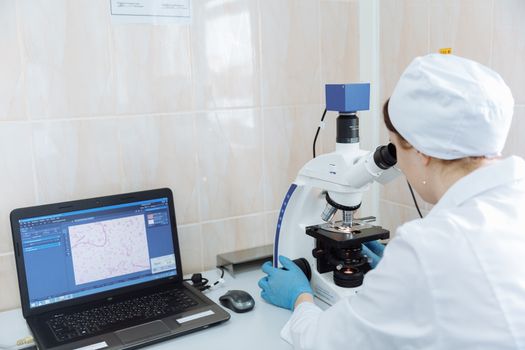
The role of a histotechnician is crucial in the pathology and research laboratories. As skilled technicians, histotechnicians prepare tissue samples for microscopic analysis by pathologists, playing a pivotal role in the diagnosis and study of diseases. If you’re considering a career as a histotechnician, you’ll find that mastering the art requires a combination of scientific knowledge, precision, and attention to detail.
Why Pursue a Career as a Histotechnician?
The demand for qualified histotechnicians is expected to grow as medical technology advances and the need for tissue analysis increases. This career offers stability, competitive salaries, and the opportunity to contribute significantly to healthcare and scientific research. As a histotechnician, you can anticipate a rewarding and challenging workplace environment where every day brings new learning opportunities.
Educational Pathways to Becoming a Histotechnician
To embark on this fulfilling career, one should pursue the necessary educational pathways. Typically, aspiring histotechnicians should complete an accredited associate degree or certificate program in histotechnology. These programs provide foundational knowledge in biology, chemistry, and histological techniques. For those interested in exploring further educational options, you might want to check our list of accredited biology classes online.
Skills and Competencies Required for Success
Successful histotechnicians possess a unique blend of technical and interpersonal skills. Precision and attention to detail are paramount as any errors in tissue sample preparation can lead to inaccurate diagnoses. Good hand-eye coordination, dexterity, and the ability to operate sophisticated laboratory equipment are also essential. Furthermore, professionals in this field should have excellent organizational skills to manage multiple samples efficiently while maintaining meticulous records.
Understanding the Work Environment
Histotechnicians typically work in hospitals, private laboratories, or research institutions. The work involves standing for long periods and practicing safety protocols to handle potentially hazardous chemicals. A typical day might include preparing specimens for examination, staining slides, and ensuring quality control measures are met, all of which require precision and attention to detail to ensure accurate results.
The Future Outlook of Histotechnology
The future of histotechnology looks promising with continuous advancements in medical technology. The expanding field offers a range of specialties, giving histotechnicians opportunities to develop expertise in areas such as immunohistochemistry and molecular pathology. As technology evolves, so will the tools and methods used in this specialized field, driving an ongoing need for skilled professionals.
Moreover, according to the Bureau of Labor Statistics, the demand for medical laboratory technologists and technicians, including histotechnicians, is projected to grow due to an aging population requiring more medical care, including diagnostic laboratory services.
Challenges and Considerations in Histotechnology
While the role is rewarding, it is not without challenges. Histotechnicians must be prepared to handle repetitive tasks and work under stringent deadlines. The pressure of ensuring accuracy and the potential exposure to biohazardous materials are critical factors to consider. Nonetheless, with proper training and adherence to safety standards, these challenges can be effectively managed.
In Closing: The Impact of a Histotechnician’s Work
The role of a histotechnician is invaluable in the realm of medical science. While it demands precision and dedication, it also offers the satisfaction of contributing to life-saving diagnoses and treatments. For those with a keen eye for detail and a passion for medical science, mastering the skills of a histotechnician can lead to a fulfilling career.
- Histotechnicians are vital in medical diagnostics and research.
- Educational pathways include associate degrees and certificates.
- Key skills include precision, dexterity, and problem-solving.
- Opportunities abound with advancements in medical technology.
- Career offers stability and potential for specialization.
What qualification is required to become a histotechnician?
Most positions require an associate degree or certificate in histotechnology from an accredited institution. Some employers may require certification as well.
What skills are important for histotechnicians?
Key skills include attention to detail, hand-eye coordination, technical proficiency with laboratory equipment, and strong organizational abilities.
Where do histotechnicians typically work?
Histotechnicians commonly work in hospitals, diagnostic laboratories, and research facilities, and they are involved in preparing tissue specimens for examination.
How is technology changing the role of a histotechnician?
Advancements in medical technology are enhancing tissue analysis methods, allowing for more detailed and quicker diagnostic processes, ultimately increasing the demand for skilled histotechnicians.
Is there an increase in demand for histotechnicians?
Yes, there is a growing demand, driven by technological advances in healthcare and an aging population that requires increased medical services.