
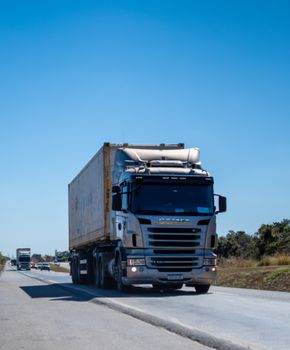
Starting a career as a freight broker can be a lucrative and rewarding path, allowing you to play a crucial role in the logistics and transportation industries. If you’re wondering how to become a freight broker, you’ve come to the right place. This comprehensive guide will walk you through the steps, skills, and insights needed to embark on this career journey successfully.
How to Become a Freight Broker
A freight broker acts as an intermediary between shippers needing to transport goods and the carriers that have the capability to move these goods. Understanding the basics of freight brokerage is essential before diving into the specific steps needed to start your career.
Understanding the Role of a Freight Broker
Freight brokers are vital components of the supply chain, overseeing the logistics and transportation of goods from one place to another. They are responsible for finding reliable carriers, negotiating shipping rates, and ensuring that goods are delivered on time. This position requires excellent communication skills, a thorough understanding of logistics, and the ability to work under pressure.
Essential Skills for Success
To excel as a freight broker, several skills are essential. Firstly, strong negotiation skills can make a significant difference in securing deals and forming long-lasting carrier relationships. Organizational skills are also crucial, as freight brokers must manage numerous shipments and schedules simultaneously. Additionally, staying informed on industry trends and regulatory changes can enhance your competitive edge.
Educational Prerequisites
While no specific degree is required to become a freight broker, a background in logistics, business, or a related field can be advantageous. Many professionals in this industry benefit from courses in supply chain management and logistics, which offer valuable insights into the mechanisms behind freight brokerage. Online platforms and local community colleges often provide courses tailored to aspiring freight brokers.
For more insights on changing career paths at any stage of life, consider reading our article on starting fresh with new career paths.
Licensing and Legal Requirements
To officially work as a freight broker in the United States, you must obtain a license from the Federal Motor Carrier Safety Administration (FMCSA). This process involves submitting an application, paying the necessary fees, and securing a $75,000 freight broker bond. This bond serves as a financial guarantee of your compliance with industry regulations.
Developing a Business Plan
Creating a detailed business plan is a key step in setting up as a successful freight broker. Your plan should outline your business goals, target market, marketing strategies, and financial projections. A well-thought-out plan can help guide your operations and attract potential investors or partners.
Building a Network and Establishing Client Relationships
A robust network is crucial for succeeding in the freight brokerage industry. Cultivating relationships with shippers, carriers, and other logistics professionals can open doors to new opportunities and collaborations. Attending industry conferences, joining trade associations, and leveraging social media can help you grow your professional network.
Leveraging Technology
In today’s digital age, technology plays a significant role in the logistics and freight brokerage sectors. Software solutions can help streamline operations, manage shipments, and track performance. Investing in the right technology can enhance your efficiencies, allowing you to focus more on strategic activities rather than logistical minutiae.
Continuing Education and Professional Development
Staying informed and continuing to develop your skills are crucial aspects of being a successful freight broker. Industry-specific workshops, seminars, and certifications can provide ongoing education and increase your expertise. Remaining abreast of industry changes and emerging trends will keep you competitive in the field.
Industry Challenges and Solutions
Like any career, freight brokerage comes with its set of challenges. These include dealing with market fluctuations, adapting to regulatory changes, and managing disputes between shippers and carriers. Effective problem-solving skills, adaptability, and a proactive approach can help you overcome these obstacles and ensure long-term success.
Concluding Thoughts on How to Become a Freight Broker
Embarking on a career as a freight broker requires dedication, a willingness to learn, and the initiative to develop industry-specific skills. By understanding the necessary steps and honing your abilities, you can carve out a successful path in this dynamic field. As you move forward, keep refining your approach to remain an integral part of the logistics sector.
- Freight brokers facilitate communication and coordination between carriers and shippers.
- Licensing by the FMCSA and acquiring a freight broker bond is mandatory.
- Networking and leveraging technology are key to success.
- Continuous education helps maintain a competitive edge.
- Creating a solid business plan is paramount to guide your career.
FAQs
What is the role of a freight broker?
A freight broker acts as a liaison between shippers and carriers, coordinating and ensuring efficient transportation of goods.
Do I need a degree to become a freight broker?
While a degree is not mandatory, courses in business or logistics can provide a solid foundation for the job.
How can I obtain my freight broker license?
You must apply through the FMCSA, pay applicable fees, and secure a $75,000 freight broker bond.
What are the main skills required to succeed as a freight broker?
Negotiation, organization, and the ability to adapt to industry changes are crucial for success.
Where can I learn more about continuing education for freight brokers?
Reliable resources include industry workshops, seminars, and online courses. For further information, visit Wikipedia’s education page.

