
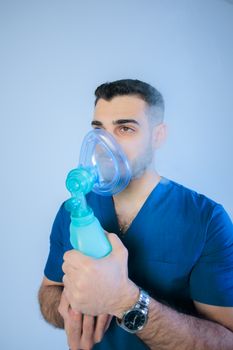
Embarking on a career in healthcare is a commendable choice, and understanding how to become a respiratory therapist can set you on a path toward helping people breathe easier every day. Respiratory therapists are crucial in healthcare settings, providing care to patients with breathing difficulties and managing essential respiratory equipment.
How to Become a Respiratory Therapist
To become a respiratory therapist, the journey typically begins with education. Aspiring therapists often require an Associate’s degree in respiratory therapy, although a Bachelor’s degree is increasingly favored by employers. This educational foundation will include courses in human anatomy and physiology, chemistry, microbiology, and advanced respiratory care techniques. For those interested in exploring such foundational courses, online anatomy and physiology courses can be a valuable resource.
Licensure and Credential Requirements
After completing the necessary education, prospective respiratory therapists must pass a licensure exam to practice legally. The most recognized credentialing body is the National Board for Respiratory Care (NBRC), which offers the Certified Respiratory Therapist (CRT) and Registered Respiratory Therapist (RRT) credentials. The requirements include passing comprehensive exams that test knowledge and skills in respiratory care. Being credentialed not only showcases your competence to potential employers but is also a regulatory requirement in most states.
Skills and Competencies
Besides educational qualifications and certifications, an effective respiratory therapist must possess a wide range of skills. These include excellent communication abilities to interact with patients and other healthcare providers, critical thinking for assessing patient conditions, and technical proficiency with sophisticated medical equipment. Compassion and patience are paramount, as therapists work with vulnerable patients who may be experiencing significant distress.
Work Environments
Respiratory therapists find employment in various settings, including hospitals, clinics, home healthcare services, and research labs. Hospital settings, particularly critical care units, are common workplaces due to the complex, acute needs of patients there. Additionally, a therapist might work in sleep centers, diagnostic labs, or take on administrative roles within healthcare facilities.
Continuing Education and Advancement
Upon entering the field, respiratory therapists have opportunities for career advancement. Specializing in areas such as pulmonary function technology or neonatal-pediatric care can provide new challenges and opportunities. Furthermore, continuing education is a requirement for maintaining credentials and learning new techniques, ensuring that healthcare delivery remains innovative and effective.
Salary and Job Outlook
The career outlook for respiratory therapists is promising. According to the Bureau of Labor Statistics, the demand for respiratory therapists is expected to grow significantly faster than the average for all occupations. This growth is due in part to the aging population and an increased incidence of respiratory conditions. The position not only offers a stable income but also the personal fulfillment that comes from making a difference in patients’ lives.
Becoming a Respiratory Therapist: Steps to Follow
Here is a streamlined approach to the steps involved in becoming a respiratory therapist:
- Complete a degree program in respiratory therapy from an accredited college.
- Pass the CRT exam to secure initial credentials.
- Obtain state licensure to practice professionally.
- Consider further certifications to become a Registered Respiratory Therapist (RRT).
- Pursue continuing education to stay updated with the latest in respiratory care.
Achieving a fulfilling career as a respiratory therapist involves dedication to education, gaining hands-on experience, and a commitment to lifelong learning. If you’re considering how to become a respiratory therapist, following these outlined steps can aid in achieving your professional goals while significantly impacting patient care.
Takeaways
- Begin with an accredited degree in respiratory therapy.
- Licensure and NBRC credentials are essential to practice.
- Diverse employment opportunities exist in various healthcare settings.
- Advancement and specialization improve career prospects.
- Demand for respiratory therapists is growing significantly.
FAQs
What is the minimum educational requirement for a respiratory therapist?
The minimum educational requirement is typically an Associate’s degree in respiratory therapy, but many employers prefer candidates with a Bachelor’s degree.
How do you become a respiratory therapist?
To become a respiratory therapist, individuals must complete an accredited respiratory therapy program, pass the NBRC credentialing exams, and obtain state licensure.
What skills are important for a respiratory therapist?
Critical skills include patient communication, technical proficiency with equipment, problem-solving, and compassionate care.
Where do respiratory therapists commonly work?
They work in hospitals, clinics, outpatient care centers, home healthcare, and sometimes in research or educational facilities.
Is the job outlook for respiratory therapists favorable?
Yes, the job outlook is favorable, with demand expected to grow due to an aging population and increasing prevalence of respiratory conditions.

