
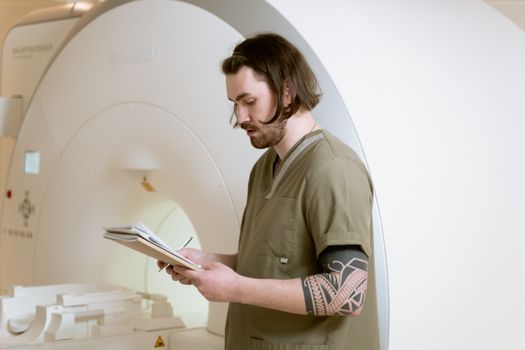
Becoming an MRI technician offers a rewarding career path in the healthcare industry, blending technology and patient care. If you’re exploring how to become an MRI tech, you’ve come to the right place. This guide provides a comprehensive overview of the steps involved, including educational requirements, certification processes, and key skills needed for this important role.
How to Become an MRI Tech
To embark on this career path, you’ll need to follow several essential steps, including education, certification, and gaining practical experience. Each stage is critical to developing the technical expertise and patient management skills necessary to succeed in this field.
Understanding the Role of an MRI Technician
MRI technicians are responsible for operating MRI machines to capture detailed images of organs and tissues in a patient’s body. These images play a crucial role in diagnosing and monitoring medical conditions. A key aspect of the role is ensuring patient safety and comfort during the scanning process.
Technicians work closely with radiologists and other healthcare professionals to produce results that inform treatment decisions. Their responsibilities include preparing patients for scans, explaining the procedure, and operating the MRI equipment.
Educational Pathways
The journey to becoming an MRI technician begins with education. Generally, a high school diploma or GED is required to enter a training program. Prospective technicians then pursue specialized education such as an associate degree or a certification program in radiologic technology or a related field.
A solid foundation in subjects like anatomy and physiology is crucial for success in this field. For those seeking flexibility or supplementary education, consider exploring various online courses in anatomy and physiology to broaden your knowledge base.
Certification and Licensure
After completing an educational program, aspiring MRI technicians must pass a certification exam. In the United States, certification is typically obtained through the American Registry of Radiologic Technologists (ARRT) or the American Registry of Magnetic Resonance Imaging Technologists (ARMRIT).
Holding a certification demonstrates competence and assures employers of the technician’s ability to perform the job safely and effectively. Many states in the U.S. also require licensure, which often involves passing additional examinations.
Key Skills and Competencies
MRI technicians must have strong technical skills and be adept at operating complex machinery. In addition to technical prowess, essential skills include excellent communication, attention to detail, and the ability to troubleshoot technical issues.
Interpersonal skills are equally important, as technicians must establish rapport with patients to ease anxiety about the scanning process. Maintaining professionalism and empathy is vital to providing quality care.
Gaining Practical Experience
Clinical internships or hands-on training are critical components of most educational programs, providing invaluable real-world experience. These experiences typically take place in hospitals or outpatient facilities, allowing students to apply theoretical knowledge in practical settings.
Engaging actively in these opportunities can lead to mentorship and networking prospects, which are crucial resources for launching a career in this field.
Continuous Professional Development
In the rapidly evolving field of medical imaging, continuous education is essential. MRI technicians are encouraged to pursue advanced certifications and specialize in areas such as cardiac MRI or functional MRI.
Staying current with technological advancements and industry trends not only enhances job performance but also expands career prospects. Professional organizations offer resources and courses to help technicians remain informed and skilled in the latest developments.
How to Secure a Position
Once certified, MRI technicians can explore job opportunities in various settings, including hospitals, diagnostic imaging centers, and specialized clinics. When crafting a resume, highlight relevant educational achievements, certifications, and any specialized training or skills.
Clearly showcasing experience gained during internships or previous roles can distinguish you from other candidates. Networking with professionals in the field and participating in industry events can further enhance job prospects.
Compensation and Job Outlook
The demand for MRI technicians is expected to grow as healthcare technology advances and the population ages. According to the U.S. Bureau of Labor Statistics, employment in this field is projected to grow by 7% from 2019 to 2029.
Compensation varies based on factors such as location, experience, and the setting in which one works. However, the role of an MRI technician is generally well-compensated and offers broad opportunities for advancement.
For more in-depth insights on education and career growth, you can refer to this page by the U.S. Bureau of Labor Statistics.
Embarking on the path of becoming an MRI technician requires the right blend of education, experience, and dedication. With careful planning and commitment to ongoing professional development, this career offers the potential for both personal growth and significant contributions to patient care.
- Obtain the necessary education and certification to become an MRI technician.
- Gain practical experience through clinical internships.
- Continuously update your skills and knowledge.
- Enjoy career growth opportunities in a growing field.
- Engage with professional networks for career advancement.
What does an MRI technician do?
An MRI technician operates MRI machines to capture medical images for diagnosis, maintains patient safety, and works closely with radiologists and healthcare professionals.
How long does it take to become an MRI technician?
It typically takes two to four years to become an MRI technician, depending on the educational pathway chosen, including associate degree or certification programs.
Do MRI technicians need to be certified?
Yes, obtaining certification through organizations such as the ARRT or ARMRIT is necessary to demonstrate competency and adhere to industry standards.
What skills are vital for an MRI technician?
Technical proficiency in operating MRI machines, strong communication skills, attention to detail, and the ability to relate to patients are essential for success.
What are the job prospects for MRI technicians?
Job prospects for MRI technicians are favorable, with a projected growth rate faster than the average for all occupations, driven by advances in technology and healthcare needs.

