You may pass delivery vans, buses, trains, warehouses, and airport crews every day without realizing how many different careers keep them moving. If you are exploring transportation jobs, you may also wonder whether the field offers more than driving. It does. Transportation includes hands-on roles, customer-facing positions, maintenance work, logistics planning, safety oversight, and management.
Many entry-level positions require a high school diploma, a license, or employer-provided training rather than a four-year degree. Other careers, including logistics, aviation, engineering, and senior operations roles, may require specialized education or professional credentials. The right path depends on your preferred work environment, schedule, physical abilities, and long-term goals.
What Types of Transportation Jobs Are Available?
Transportation workers move passengers, packages, raw materials, and finished products by road, rail, air, and water. Some employees operate vehicles, while others coordinate routes, load freight, inspect equipment, serve customers, or supervise operations.
Driving and Passenger Transportation
Commercial drivers are among the most visible workers in the industry. Heavy truck drivers transport freight over local, regional, or long-distance routes. Delivery drivers usually handle smaller shipments within a defined area. Bus, shuttle, taxi, and ride-service drivers focus on passenger safety and timely service.
Requirements vary by vehicle and employer. Some jobs require a commercial driver’s license, a clean driving record, medical qualification, or additional endorsements. Passenger transportation roles also call for patience, communication skills, and the ability to respond calmly to traffic delays or customer concerns.
Warehousing and Material Movement
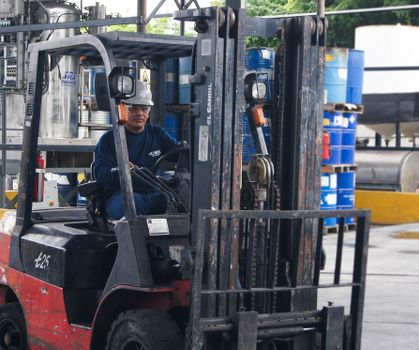
Warehouses and distribution centers employ order pickers, package handlers, shipping associates, forklift operators, inventory clerks, and loading crews. These roles connect manufacturers and retailers with customers by preparing, organizing, and transferring goods.
Entry-level warehouse work may not require previous experience, although employers commonly provide safety and equipment training. The work can involve prolonged standing, repetitive movements, bending, lifting, and overnight shifts. Applicants should review each position’s physical requirements instead of assuming every warehouse job involves the same duties.
Rail, Aviation, and Maritime Careers
Rail transportation relies on locomotive engineers, conductors, signal workers, yard employees, dispatchers, and maintenance crews. Aviation employs pilots, flight attendants, baggage handlers, aircraft mechanics, ground operations workers, and air traffic controllers. Maritime employers need deckhands, vessel operators, ship engineers, cargo workers, and port personnel.
These careers often have detailed safety rules and formal qualification standards. Training may include classroom instruction, supervised work, examinations, licensing, or recurring certification. Irregular schedules are common because passengers and freight move during nights, weekends, and holidays.
Logistics and Operations
Not all transportation jobs are based in a vehicle or warehouse. Dispatchers assign drivers and respond to route changes. Logistics coordinators track shipments, manage schedules, and communicate with customers and carriers. Transportation planners analyze how people or goods move through a network. Safety specialists review procedures, incidents, and regulatory compliance.
These positions generally reward organization, computer proficiency, problem-solving, and clear communication. They may be a natural next step for workers who understand frontline operations and want to move into an office-based or supervisory role.
What Can You Expect From the Work?
Transportation is a round-the-clock industry. Depending on the role, employees may work early mornings, rotating shifts, weekends, or extended periods away from home. Local delivery and transit positions may provide more predictable routes, while long-haul trucking, rail, aviation, and maritime work can involve changing schedules.
Work conditions also vary considerably. A dispatcher may spend most of the day using phones and computer systems, while a package handler may perform repetitive physical tasks. Drivers sit for long periods but may also load cargo, inspect vehicles, and work outdoors. Customer-facing employees regularly manage questions, delays, and unexpected situations.
The U.S. Bureau of Labor Statistics overview of transportation and material moving occupations shows that the field includes positions with widely different education requirements, duties, and earnings. Comparing individual occupations is more useful than relying on a single salary figure for the entire industry.
Skills That Help Transportation Workers Succeed
Employers may prioritize licenses and technical qualifications, but dependable workplace habits are equally important. Useful skills include:
- Following safety procedures consistently, even under time pressure
- Arriving on time and managing schedules carefully
- Communicating delays, hazards, and delivery information clearly
- Maintaining accurate inspection, shipment, or inventory records
- Using navigation, scheduling, scanning, and fleet-management technology
- Adapting when weather, traffic, equipment problems, or customer needs change
- Working effectively with drivers, warehouse teams, dispatchers, and supervisors
Safety awareness deserves particular attention. Transportation mistakes can affect coworkers, passengers, cargo, equipment, and the public. Workers who demonstrate sound judgment and report problems responsibly may be considered for training or leadership opportunities.
How Can You Enter the Field?
Start by identifying the working conditions you can realistically manage. Consider whether you prefer local work or travel, independent tasks or frequent interaction, and daytime hours or flexible shifts. Also examine lifting requirements, licensing rules, background checks, and drug-testing policies before applying.
For some positions, the employer provides short-term training. Other jobs require candidates to obtain a commercial driver’s license, equipment certification, technical-school education, or an industry credential. Community colleges, workforce agencies, unions, apprenticeships, and employer-sponsored programs may provide relevant training.
When reviewing openings, look beyond the job title. Compare hourly pay or salary, overtime policies, benefits, training costs, route expectations, time away from home, advancement opportunities, and whether equipment is supplied. A slightly lower starting wage may be worthwhile if the employer offers structured training and a clear promotion path.
You can also broaden your search by exploring local job opportunities that support career advancement, especially with transit systems, school districts, hospitals, manufacturers, airports, municipalities, and regional distribution centers.
How Advancement Commonly Works
Transportation careers often reward practical experience. A warehouse associate might become a forklift operator, inventory specialist, team lead, or operations supervisor. A driver may advance into dispatching, driver training, safety, fleet coordination, or terminal management. Maintenance workers can pursue advanced technical certifications and supervisory responsibilities.
Progress is rarely automatic. Keep a record of licenses, safety training, equipment experience, attendance, and measurable achievements. Ask supervisors which qualifications are required for the next role. Learning spreadsheet software, transportation management systems, inventory platforms, or regulatory documentation can make frontline experience more valuable.
Some workers eventually move into logistics, supply-chain management, or business operations. A certificate or degree may support that transition, but direct knowledge of routes, customers, freight handling, and daily workflow can also be a significant advantage.
Choosing a Sustainable Career Path
The best transportation job is not simply the one with the highest advertised pay. It should fit your health, family responsibilities, schedule preferences, financial needs, and interest in advancement. Ask employers what a normal week looks like, how schedules are assigned, how performance is measured, and where successful employees typically progress.
Transportation jobs can provide several entry points and room to build specialized skills. By evaluating the full working environment and planning your next credential or responsibility, you can turn an initial role into a practical, long-term career.