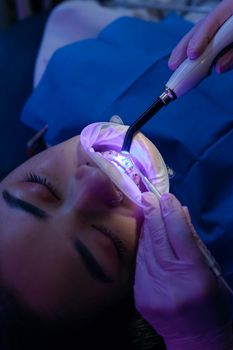
You may hear that orthodontists earn “well into six figures” and assume every specialist takes home the same amount. In reality, an early-career associate working three days a week may earn far less than an experienced practice owner with multiple locations. So, how much does an orthodontist earn? A reasonable national benchmark is about $289,000 per year, but actual earnings can range from roughly $100,000 to more than $400,000 depending on employment structure, location, experience, workload, and practice performance.
What is the average orthodontist salary?
According to the latest available federal wage data for orthodontists, the national median annual wage was $289,140 in 2025. The median is the midpoint: half of reported workers earned more, while half earned less.
The same data illustrate how wide the pay range can be:
- The lowest 10% earned approximately $99,850 or less per year.
- The 25th-percentile wage was about $146,580.
- The median was $289,140.
- The 75th-percentile wage was approximately $342,300.
- The highest 10% earned about $416,000 or more.
These numbers are useful benchmarks, not guaranteed salaries. Federal occupational wage estimates generally cover wage-and-salary employees and do not fully represent self-employed orthodontists or owners of unincorporated practices. Practice owners may earn more than employed orthodontists, but they also pay business expenses and accept greater financial risk.
Why do orthodontists earn relatively high incomes?
Orthodontists are dentists who specialize in diagnosing, preventing, and treating irregularities involving the teeth, bite, and jaw. Their work may include braces, clear aligners, retainers, growth-guidance appliances, and treatment planning for complex dental and facial conditions.
Becoming an orthodontist requires a lengthy and competitive education. A student generally completes college prerequisites, four years of dental school, and an additional two to three years in an accredited orthodontic residency. Dentists must also satisfy state licensing requirements. This specialized training, combined with the clinical responsibility involved in moving teeth and managing jaw development, helps explain the profession’s high earning potential.
The factors that change an orthodontist’s earnings
Employment versus practice ownership
An employed associate typically receives a salary, a daily rate, production-based compensation, or a combination of these methods. Employment may also include health insurance, retirement contributions, malpractice coverage, paid time off, and continuing-education assistance.
A practice owner receives income from the business after expenses. A busy, efficiently managed office can produce substantial owner income, but patient payments are not the same as personal earnings. Rent, employee wages, laboratory bills, supplies, equipment, software, marketing, insurance, loan payments, and taxes must be paid first. Owners also spend time recruiting employees, reviewing finances, and managing regulatory and administrative responsibilities.
Experience and clinical efficiency
New orthodontists may begin near the lower end of the range while building speed, confidence, and a referral network. Experienced specialists can often manage more patients without compromising care. They may also be better prepared to handle complex cases, oversee clinical teams, and negotiate favorable compensation arrangements.
Years in practice do not automatically produce a higher income. Patient satisfaction, treatment outcomes, communication skills, schedule management, and the ability to retain a dependable team can be equally important.
Location and local demand
Orthodontist pay varies among states, cities, suburbs, and rural communities. A location with rapid population growth or relatively few specialists may offer strong earning opportunities. Highly competitive metropolitan areas may provide a large patient base but also come with higher rent, wages, advertising costs, and competition.
Cost of living matters as well. A $250,000 salary in a lower-cost region may provide more purchasing power than a considerably higher salary in an expensive city. Anyone comparing offers should examine both compensation and local housing, transportation, childcare, insurance, and tax costs.
Hours and number of locations
Some orthodontists work fewer than 40 hours per week, while others maintain evening schedules, see patients on selected weekends, or travel among several offices. More clinical days can increase production, but income does not always rise in direct proportion to hours. Appointment demand, cancellation rates, staffing, and the types of cases being treated also affect productivity.
Working at multiple offices may increase access to patients, although travel time and inconsistent support teams can make the arrangement less efficient. A carefully organized four-day schedule can sometimes be more productive than a longer but poorly managed week.
Compensation formula
Two job offers with the same stated salary may have very different financial value. Common compensation arrangements include:
- A fixed annual salary.
- A guaranteed daily rate.
- A percentage of production.
- A percentage of collections, meaning money the practice actually receives.
- A base salary plus performance incentives.
- Equity, partnership, or a future opportunity to purchase the practice.
Orthodontists reviewing an offer should clarify how adjustments, refunds, insurance write-offs, laboratory costs, and unfinished cases affect compensation. They should also compare benefits, restrictive covenants, malpractice coverage, and responsibility for licensing or continuing-education expenses.
Practice services and business systems
Practices that offer several appropriate treatment options may serve a broader range of patients. However, adding technology does not automatically increase profit. Digital scanners, imaging systems, aligner-related services, and practice software can improve workflow, but they require training and investment.
Reliable scheduling, clear financial policies, responsive communication, and effective case follow-up may influence earnings as much as a new device. Ethical treatment recommendations and safe, patient-centered care must remain more important than production targets.
How education costs affect take-home income
High earnings should be considered alongside the cost of undergraduate education, dental school, and orthodontic residency. Some residency programs charge tuition, while others may provide limited financial support. Graduates can begin their careers with substantial education debt, reducing the portion of a six-figure salary available for saving or everyday expenses.
Taxes, loan payments, disability insurance, professional dues, and retirement contributions further reduce take-home pay. Prospective students comparing healthcare occupations may also benefit from exploring healthcare careers available through a medical technology certificate, particularly if they want a shorter educational path before committing to dental school.
Is becoming an orthodontist financially worthwhile?
Orthodontics can offer excellent long-term earning potential, professional independence, and the opportunity to improve patients’ oral function and confidence. It also requires many years of education, competitive residency admission, careful clinical decision-making, and potentially significant debt.
For career planning, using about $289,000 as a national median is more realistic than assuming every orthodontist earns $400,000 or more. The best measure of a job offer is not salary alone. Work hours, benefits, ownership opportunities, local living costs, debt obligations, professional support, and quality of life all help determine what an orthodontist truly earns—and how valuable that income feels in everyday life.