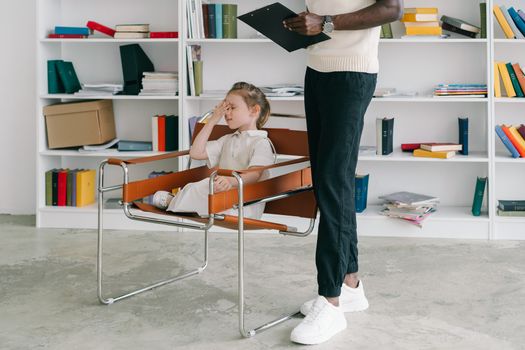
A student who once enjoyed class suddenly starts avoiding school, falling behind in reading, or having frequent emotional outbursts. Teachers see an academic problem, parents worry about anxiety, and the student may not know how to explain what is wrong. A school psychologist helps connect these pieces by examining how learning, behavior, development, mental health, family circumstances, and the school environment affect one another.
If that combination of psychology, education, and practical problem-solving appeals to you, you may be wondering how to become a school psychologist. In the United States, the usual pathway includes a bachelor’s degree, graduate training in school psychology, supervised field experience, and a state credential. The exact requirements depend on where you plan to work.
What Does a School Psychologist Actually Do?
School psychologists do much more than administer tests. They work with students, families, teachers, administrators, and other professionals to remove barriers to learning and support healthy development.
A typical week may include observing a child in class, assessing academic or cognitive skills, consulting with a teacher about behavior, counseling a student, participating in a special education meeting, or helping a school respond to a crisis. Common responsibilities include:
- Evaluating learning, attention, behavioral, social, and emotional concerns
- Helping determine eligibility for special education services
- Recommending evidence-based academic and behavioral interventions
- Providing individual or group counseling within the professional’s authorized scope
- Consulting with parents, teachers, and school leaders
- Supporting bullying prevention, crisis response, and schoolwide wellness programs
- Monitoring whether interventions are improving student outcomes
The role differs from that of a school counselor. Counselors often focus on academic planning, social development, and college or career readiness. School psychologists receive more specialized preparation in psychological assessment, learning processes, data analysis, intervention, and special education systems. They are not physicians and do not prescribe medication.
Start With the Right Undergraduate Foundation
You need a bachelor’s degree before entering graduate school, but it does not always have to be in psychology. Psychology, education, child development, sociology, and related social sciences are common choices. Applicants from other majors may qualify if they complete the required prerequisite courses.
Helpful undergraduate classes include:
- General, developmental, abnormal, and educational psychology
- Statistics and research methods
- Child and adolescent development
- Learning and behavioral psychology
- Special education
- Biological foundations of behavior
- Cultural diversity and family systems
Graduate programs may also consider your grade point average, recommendations, personal statement, research experience, and work with children. Volunteering in schools, tutoring, assisting in a research laboratory, or working with children who have disabilities can help you understand the profession while strengthening your application.
If you are still comparing psychology careers, reviewing a broader pathway to becoming a psychologist can clarify how school psychology differs from clinical, counseling, and research-focused options.
Earn a Graduate Degree in School Psychology
A bachelor’s degree alone does not prepare someone for independent professional practice as a school psychologist. Most school-based practitioners complete a specialist-level graduate program, which may award an Ed.S., SSP, CAGS, or a master’s degree combined with an advanced certificate. Program names vary, so examine the curriculum and credentialing outcomes rather than relying only on the degree title.
Specialist-level study is generally the most direct route to practice in elementary and secondary schools. Graduate preparation commonly covers psychoeducational assessment, academic interventions, behavioral support, counseling, consultation, ethics, research, special education law, and culturally responsive practice.
A Ph.D., Psy.D., or Ed.D. may be appropriate if you want advanced research training, university teaching opportunities, leadership roles, or eligibility for broader independent practice. A doctorate takes longer and is not normally required for employment as a school psychologist in a public school. Independent clinical or private practice may require a separate psychologist license and additional supervised experience.
How to Choose a Program
Before applying, verify that a program prepares graduates for the credential required in your intended state. Review its field placements, faculty expertise, completion rates, internship support, financial aid, and graduate employment outcomes. The NASP program approval and accreditation directory can help you identify programs that meet established national preparation standards.
Also contact the state education agency directly. Attending an appropriately approved program may make certification or interstate mobility easier, but it does not replace state-specific requirements.
Complete Practicum and Internship Training
Graduate education combines classroom instruction with supervised practice. Practicum experiences typically begin before the internship and allow students to develop skills gradually. You might practice interviewing, classroom observation, assessment, report writing, counseling, consultation, or intervention planning under supervision.
The internship is a more intensive transition into professional work. A widely used national preparation standard is a 1,200-hour internship, with at least 600 hours completed in a school setting. State rules and individual programs can impose additional conditions, including requirements for supervisor qualifications and documentation.
During internship, trainees manage increasingly complex responsibilities while receiving regular feedback. This experience is important because school psychologists must combine technical knowledge with sound judgment, clear communication, confidentiality, cultural awareness, and the ability to collaborate during stressful situations.
Obtain Your State Credential
School psychologists working in public schools typically need a credential issued or recognized by the state education agency. Depending on the state, it may be called a license, certificate, endorsement, or pupil-services credential.
Requirements commonly include:
- An eligible graduate degree in school psychology
- Completion of supervised practicum and internship experiences
- Passing scores on a required examination
- Background checks and application fees
- Official transcripts and program verification
The Nationally Certified School Psychologist credential is separate from state authorization. Some states recognize it as part of their credentialing process, and some employers prefer it, but national certification does not automatically grant permission to practice everywhere. Always check the rules in the state where you intend to work before selecting a graduate program or internship.
Prepare for Professional Practice
New school psychologists commonly work in public or private schools, early childhood programs, district offices, colleges, clinics, hospitals, or community agencies. Daily schedules can be unpredictable. An assessment deadline, parent meeting, behavioral crisis, or urgent safety concern may change the day’s priorities.
Strong practitioners are comfortable analyzing data, writing detailed reports, and explaining complex findings in plain language. They must also listen carefully and avoid reducing a student to a diagnosis or test score. Academic performance may be influenced by instruction, disability, language, culture, trauma, sleep, health, family stress, or several factors at once.
Professional development continues after hiring. State credentials generally require periodic renewal and continuing education. School psychologists must stay informed about ethical standards, assessment practices, intervention research, educational law, student privacy, suicide prevention, and crisis procedures.
How Long Does the Process Take?
For most people, becoming a school psychologist requires four years for a bachelor’s degree followed by approximately three years of specialist-level graduate study, including internship. Doctoral preparation usually takes longer. Your timeline may vary if you attend part time, need prerequisite courses, or pursue additional licensure.
The clearest first step is to identify the state where you want to work and compare its credential requirements with several graduate programs. With careful planning, supervised preparation, and a genuine interest in helping students succeed, school psychology can offer a practical career at the intersection of education and mental health.