You arrive at a restaurant before opening, notice small droppings near a storage area, and trace the problem to a gap around a utility line. Solving that issue takes more than spraying a chemical. It requires inspection, pest identification, communication, safe treatment, and prevention. That combination of practical work and problem-solving is what attracts many people to jobs in the pest control industry.
Pest control careers are available in homes, businesses, hospitals, schools, warehouses, food-processing facilities, farms, and government agencies. Some positions involve fieldwork and pesticide application, while others focus on customer service, biology, training, sales, compliance, or business management.
What do pest control workers actually do?
Pest control professionals locate, manage, and help prevent infestations involving insects, rodents, termites, wildlife, and other unwanted organisms. Their daily responsibilities depend on the employer, location, and type of pest, but the work often includes:
- Inspecting buildings, landscaping, storage areas, and surrounding property
- Identifying pests and the conditions supporting an infestation
- Choosing appropriate control methods
- Setting traps, installing monitoring devices, or applying pesticides
- Sealing entry points and recommending sanitation improvements
- Explaining treatments and safety precautions to customers
- Documenting findings, products, application amounts, and follow-up plans
- Returning to evaluate whether the control strategy worked
Modern pest management increasingly follows integrated pest management principles. This approach combines monitoring, sanitation, structural repairs, traps, habitat changes, and careful pesticide use. The objective is not simply to kill visible pests but to correct the factors allowing them to survive.
Common jobs in the pest control industry
Pest control technician
Technicians provide services at residential or commercial properties. They inspect sites, identify common pests, select treatments, communicate with customers, and maintain service records. This is a common entry point for people without previous industry experience.
Termite or wood-destroying organism specialist
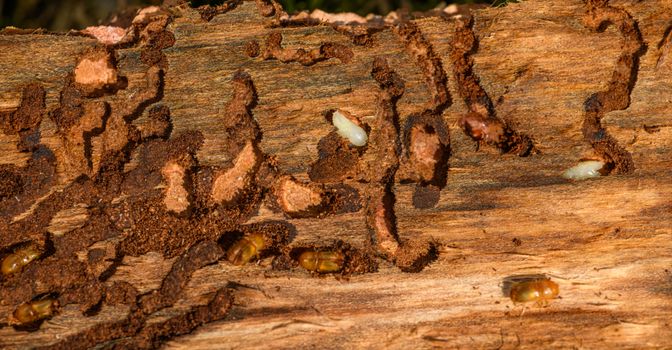
These workers look for termites, wood-boring beetles, moisture problems, and structural damage. Duties may include inspecting crawl spaces, measuring buildings, installing bait systems, applying soil treatments, and preparing reports for property owners or real estate transactions.
Wildlife control operator
Wildlife professionals manage animals such as squirrels, raccoons, bats, and birds where permitted by law. Their work may involve humane trapping, exclusion, cleanup recommendations, and repairs that prevent animals from returning. Wildlife regulations and licensing requirements can differ substantially by state and species.
Commercial route technician
Commercial technicians serve restaurants, hotels, apartment buildings, healthcare facilities, warehouses, and other organizations. These jobs usually require detailed documentation and an understanding of industry-specific sanitation, auditing, and regulatory expectations.
Sales inspector
A sales inspector evaluates pest problems, explains treatment options, prepares estimates, and follows up with prospective customers. Successful inspectors combine technical knowledge with listening, organization, and ethical sales practices.
Technical, regulatory, and management roles
Experienced professionals may become field supervisors, branch managers, safety trainers, quality-assurance specialists, regulatory compliance coordinators, entomologists, or company owners. Manufacturers and distributors also employ people in product support, research, training, and account management.
Not every role requires daily visits to infested properties. Scheduling, customer support, reporting, sales, education, and digital monitoring have created office-based and flexible opportunities. Readers interested in alternatives to traditional fieldwork can also explore global opportunities in remote pest control careers.
Education, training, and licensing
Many entry-level positions require a high school diploma or equivalent, a valid driver’s license, and the ability to pass employer screening requirements. Employers commonly provide supervised, on-the-job training covering pest biology, inspection methods, equipment, customer communication, pesticide labels, and recordkeeping.
Licensing rules depend on the state, the work category, and the products being used. Federal law requires people who apply or supervise the use of restricted-use pesticides to be certified according to applicable requirements. Many states require broader certification or licensing for commercial applicators, even when they do not use restricted-use products.
Certification may involve classroom instruction, work experience, an examination, fees, and periodic continuing education. Specialized categories may apply to structural pests, termites, fumigation, public health work, landscaping, or agricultural sites. Applicants should check with their state pesticide regulatory agency before assuming that one license covers every type of work.
Skills employers value
Technical knowledge matters, but strong pest control workers also need dependable people skills. Customers may be worried, embarrassed, or frustrated, so technicians must explain findings without blaming occupants or creating unnecessary fear.
- Careful observation and attention to small details
- Problem-solving and basic measurement skills
- Clear verbal and written communication
- Time management and reliable recordkeeping
- Comfort working independently
- Ability to follow labels, laws, and safety procedures exactly
- Physical ability to bend, kneel, climb, and enter confined areas when required
- Respect for customers’ homes, businesses, privacy, and property
Basic technology skills are also useful. Many companies use mobile applications for scheduling, route planning, photographs, electronic service reports, product tracking, and customer signatures.
Work environment and health precautions
Pest control can involve hot attics, damp crawl spaces, ladders, sharp objects, animal waste, vehicle travel, and chemical exposure. Employers should train workers to evaluate these hazards and use suitable protective equipment. Depending on the task and product label, protection may include gloves, eye protection, coveralls, footwear, or a properly selected respirator.
Pesticide effects vary by product, dose, and route of exposure. Possible warning signs can include eye or skin irritation, headache, nausea, unusual sweating, weakness, confusion, or breathing difficulty. Some symptoms can resemble heat illness or another medical condition. Workers should stop the task, follow the product label and workplace emergency procedure, and seek prompt medical guidance after a suspected exposure. Someone who is unconscious, having convulsions, or struggling to breathe needs emergency assistance.
Safety also extends beyond the worksite. Changing contaminated clothing, washing as directed, and keeping work equipment away from household areas can help reduce take-home exposure. Workers who are pregnant, breastfeeding, or managing a respiratory condition should discuss occupational exposures and protective equipment with a healthcare professional and their employer.
Pay and employment prospects
Earnings vary according to location, certification, specialty, experience, overtime, commissions, and supervisory duties. According to current federal career data for pest control workers, the median annual wage was $45,250 in May 2025. Employment was projected to grow 6 percent from 2025 to 2035, with approximately 13,700 openings per year on average.
Some jobs offer performance bonuses or sales commissions, but applicants should examine the full compensation package. Vehicle policies, paid training, licensing costs, health insurance, retirement benefits, seasonal hours, and opportunities for promotion may be as important as starting pay.
How can a beginner build a long-term career?
A new technician can begin by mastering inspections, common local pests, safe application practices, and professional communication. The next step may be earning additional certifications or developing expertise in termites, bed bugs, food facilities, wildlife, fumigation, or integrated pest management.
Career advancement often comes from documenting good work, maintaining a safe driving record, completing continuing education, and learning how to train others. Technicians who understand both pest biology and business operations may progress into supervision, technical consulting, sales leadership, compliance, or ownership.
Jobs in the pest control industry can suit people who enjoy practical science, independent work, and visible results. The work is not effortless, and safety responsibilities are significant. For someone willing to keep learning, however, pest control offers multiple entry points and a career path that can grow well beyond the first service route.