
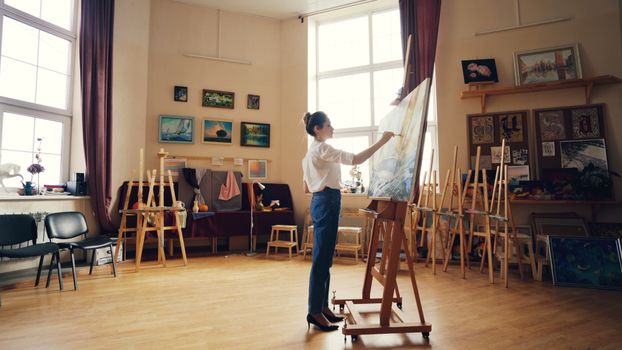
You enjoy drawing, photography, sculpture, or digital design, but someone asks what job that interest could lead to. If you need to name a fine arts career, “painter” may come to mind first. Yet fine arts education can support many roles, including illustrator, animator, sculptor, art director, museum professional, photographer, and art teacher. The best choice depends on the kind of work you enjoy, the environment you prefer, and whether you want to create independently or collaborate with clients and production teams.
What Careers Can You Pursue in Fine Arts?
A fine arts career uses visual creativity, artistic techniques, and original ideas to communicate, entertain, educate, or create objects for sale and exhibition. Some professionals spend most of their time making art. Others apply an artistic background to commercial projects, education, museums, entertainment, or creative leadership.
Fine artist
Fine artists create original work using media such as paint, charcoal, clay, metal, glass, textiles, or digital tools. Painters, sculptors, printmakers, ceramic artists, and installation artists fit within this category. They may sell completed pieces, accept commissions, apply for grants, participate in exhibitions, or license images of their work.
Independent artists also handle practical responsibilities. These can include pricing work, purchasing materials, maintaining a studio, promoting exhibitions, communicating with buyers, and keeping financial records. The U.S. Bureau of Labor Statistics overview of craft and fine artists explains that artists commonly build portfolios, display work through several channels, and develop business skills alongside artistic ability.
Illustrator
Illustrators create images for books, editorial publications, advertisements, packaging, clothing, educational materials, and digital products. Some specialize in scientific, medical, fashion, courtroom, or children’s illustration. Freelance illustrators must interpret a client’s instructions, provide drafts, respond to feedback, and deliver finished files on schedule.
Animator or digital artist
Animators and digital artists create characters, environments, motion graphics, visual effects, and interactive images for movies, television, websites, advertisements, and video games. Although drawing fundamentals remain valuable, these roles often require proficiency with animation, modeling, editing, or compositing software. Collaboration is common because large projects may involve writers, programmers, designers, directors, and sound professionals.
Photographer
Fine art photographers use composition, lighting, timing, and editing to develop a recognizable visual style. Their work may appear in galleries, books, editorial projects, private collections, or commercial campaigns. Other photographers concentrate on portraits, products, architecture, events, or fashion. Understanding image-editing software, licensing, contracts, and file management can be as important as operating a camera.
Art director
Art directors guide the overall visual style of advertising campaigns, publications, packaging, film productions, and digital media. Rather than creating every element themselves, they select images, review designs, communicate a creative vision, and coordinate the work of other professionals. This is usually not an entry-level position. Art directors commonly begin as designers, photographers, illustrators, or artists and advance after developing substantial professional experience.
Museum, gallery, and arts administration roles
Artists may work in museums, galleries, cultural organizations, community art centers, or nonprofit programs. Possible positions include exhibition designer, gallery assistant, museum educator, preparator, collections assistant, or arts program coordinator. Curatorial and collections-focused careers may require advanced education in art history, museum studies, conservation, or a related subject.
Art teacher or instructor
Art educators teach techniques, creative thinking, and art history in schools, colleges, museums, community programs, and private studios. Public-school teachers generally need to meet state licensing requirements. Postsecondary teaching positions often require a graduate degree, such as a Master of Fine Arts. Artists can also lead workshops or offer private lessons without following a traditional school-based teaching path.
Skills That Matter in Fine Arts Careers
Natural interest is helpful, but professional development depends on skills that can be practiced and improved. Important abilities include:
- Drawing, composition, color, perspective, and visual storytelling
- Knowledge of materials, tools, production methods, or creative software
- Original thinking and the ability to develop ideas beyond the first draft
- Attention to detail and consistent craftsmanship
- Communication with clients, collaborators, students, and audiences
- Time management, especially when balancing several projects
- Openness to critiques and the ability to revise work constructively
- Basic marketing, budgeting, pricing, and contract awareness
A professional portfolio is especially important. It should present a focused selection of completed work rather than every project an artist has made. Applicants can adapt the portfolio to each opportunity, emphasizing the techniques and subjects most relevant to the employer, school, gallery, or client.
Do You Need a Fine Arts Degree?
There is no single education requirement for every artistic occupation. A self-employed painter or craft artist may build a career through independent practice, workshops, mentorship, and professional experience. Animation studios, schools, museums, and design employers are more likely to request a particular degree or evidence of specialized technical training.
A Bachelor of Fine Arts usually emphasizes studio practice and may allow concentration in painting, sculpture, photography, illustration, printmaking, ceramics, or digital media. A Bachelor of Arts often combines art courses with a broader liberal arts curriculum. Certificate and associate programs can provide targeted, lower-cost training, while an MFA supports advanced studio development and may be expected for some college teaching positions.
Before selecting a program, examine its curriculum, facilities, faculty experience, internship options, portfolio requirements, and total cost. A respected program can provide structure and professional connections, but the degree alone does not guarantee employment. The strength of your portfolio, reliability, technical ability, and relationships within the field remain significant.
What Is Working in Fine Arts Really Like?
Creative careers can provide meaningful work, but they also involve deadlines, revisions, administrative tasks, and uncertain income. Freelancers may experience busy periods followed by slower months. Studio artists must budget for supplies, workspace, insurance, shipping, exhibition fees, and taxes. Some maintain a second job while establishing clients or developing a market for their work.
Work environments also differ. An illustrator may work from home, an animator may join a production studio, and a museum employee may follow a regular institutional schedule. Certain materials and processes require ventilation, eye protection, gloves, respiratory protection, or training around kilns and power tools. Artists should follow product instructions and workplace safety procedures rather than assuming familiar supplies are harmless.
How to Start Building a Fine Arts Career
Begin by choosing a direction broad enough to explore but specific enough to guide your practice. Complete several polished projects, photograph or digitize them well, and create a portfolio. Look for internships, assistant roles, student exhibitions, local arts organizations, public art opportunities, and freelance assignments. Constructive feedback from instructors and working professionals can reveal gaps in both technique and presentation.
It is also worth exploring neighboring creative fields. Someone who enjoys presentation, color, and hands-on work may be interested in career opportunities and earnings in culinary arts, while another person may prefer animation, teaching, museum work, or commercial illustration.
Ultimately, the right fine arts career connects your creative strengths with a workable professional path. Research the daily responsibilities of each role, identify its usual education requirements, and start building evidence of your abilities. A focused portfolio, dependable work habits, and willingness to keep learning can turn artistic interest into a sustainable career direction.

