You may have seen a job posting asking for someone to “monitor equipment, record readings, and respond to alarms” and wondered whether you need an engineering degree to apply. In many cases, you do not. Plant operator jobs often provide a practical route into manufacturing, utilities, energy, water treatment, and other essential industries. Employers typically value mechanical awareness, safety-conscious behavior, reliability, and the ability to learn detailed procedures.
However, “plant operator” is a broad title. The equipment, qualifications, working conditions, and advancement opportunities can differ significantly between a food-processing facility and a power station. Understanding those differences can help you target suitable roles and prepare for interviews.
What does a plant operator do?
A plant operator helps keep an industrial facility or production process running safely and efficiently. Depending on the workplace, operators may start and stop equipment, adjust controls, inspect machinery, collect samples, document operating conditions, and report maintenance problems.
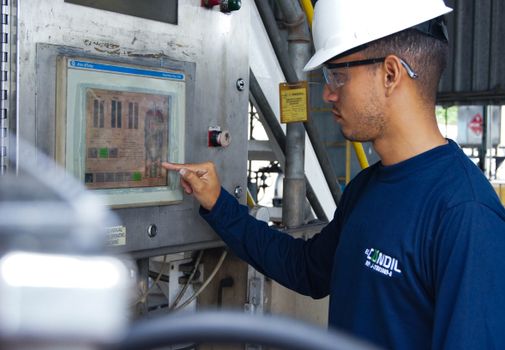
Modern operators often divide their time between a control room and the plant floor. In the control room, they may watch computerized displays showing temperature, pressure, flow, speed, or tank levels. During field rounds, they inspect equipment for leaks, unusual vibrations, unexpected sounds, or other signs that conditions have changed.
The role involves more than pressing buttons. Operators must understand what normal operation looks like, recognize when readings move outside approved limits, and follow the correct response procedure. They also communicate with supervisors, maintenance technicians, laboratory staff, contractors, and incoming shift workers.
Common types of plant operator jobs
Production and manufacturing operator
Manufacturing operators run equipment that turns raw materials into finished products. They may load materials, set machine controls, check product quality, clear minor stoppages, and maintain production records. These jobs are found in industries such as food production, chemicals, plastics, paper, pharmaceuticals, and building materials.
Power plant operator
Power plant operators monitor equipment used to generate and distribute electricity. Their work may involve turbines, generators, boilers, pumps, emissions-control systems, and electrical controls. Entry requirements vary, and employers may use extensive training, examinations, or licensing before allowing an operator to work independently.
Boiler or stationary equipment operator
These operators manage boilers, heating systems, refrigeration equipment, compressors, and other fixed mechanical systems. They may work in industrial plants, hospitals, universities, government facilities, or large commercial buildings. According to the BLS career profile for stationary engineers and boiler operators, workers in this occupation typically need at least a high school diploma or equivalent and commonly receive long-term on-the-job or apprenticeship training.
Water and wastewater treatment operator
Water treatment operators help produce safe, usable water, while wastewater operators manage processes that remove contaminants before water is discharged or reused. Duties can include collecting samples, conducting routine tests, adjusting chemical feeds, inspecting pumps, and documenting regulatory readings. State certification or licensing is commonly required, with higher certification levels available as experience grows.
Chemical or process operator
Process operators manage systems that mix, heat, cool, separate, or transfer substances. They must follow precise operating limits and safety procedures because changes in pressure, temperature, or chemical concentration can affect product quality and plant safety. Some employers prefer applicants with technical education in process technology, instrumentation, or industrial maintenance.
Material-handling and crushing plant operator
Operators in mining, quarrying, recycling, and construction-material facilities may run conveyors, crushers, screens, feeders, and loading systems. The work can be dusty, noisy, and physically active, making correct protective equipment and strict adherence to site rules especially important.
What are the usual entry requirements?
Many entry-level plant operator jobs require a high school diploma or equivalent rather than a four-year degree. Math, basic science, computer literacy, and mechanical subjects can provide a useful foundation. Employers may also look for experience in manufacturing, machine operation, construction, maintenance, warehousing, or military technical work.
Additional requirements may include:
- Passing aptitude, mechanical-reasoning, or basic math tests
- Completing employer-provided classroom and hands-on training
- Holding a valid driver’s license for field-based positions
- Obtaining a state or local operator license where required
- Completing industry certifications or an apprenticeship
- Meeting site-specific fitness, background, or drug-testing requirements
- Working rotating shifts, nights, weekends, holidays, or overtime
Technical certificates and associate degrees can strengthen an application, particularly for power generation, instrumentation, water treatment, and chemical processing. Useful fields include industrial technology, process operations, electrical systems, mechanical maintenance, and environmental technology.
Skills employers value
Successful operators tend to be careful, observant, and consistent. A rushed decision or incomplete shift note can affect other workers and disrupt production. Employers therefore look for people who follow written procedures even when a task has become familiar.
Important skills include:
- Reading gauges, diagrams, work orders, and operating procedures
- Using basic math to compare readings or calculate quantities
- Recognizing abnormal equipment behavior
- Keeping accurate logs and digital records
- Communicating clearly during emergencies and shift handovers
- Working effectively with maintenance and quality-control teams
- Staying calm when alarms or process interruptions occur
- Learning computerized control and monitoring systems
Communication is particularly important in control-room work. As described in this discussion of how operator roles change alongside communication technology, technology may transform an operator’s tools without eliminating the need for judgment, accuracy, and clear information exchange.
What is the working environment like?
Plant environments vary. Some control rooms are clean, quiet, and climate-controlled, while field areas may be hot, cold, wet, noisy, or exposed to strong odors. Operators may climb stairs and ladders, walk long distances, lift equipment, or wear protective clothing for extended periods.
Facilities that operate continuously need staff around the clock. Rotating schedules can affect sleep, family routines, transportation, and social plans. Before accepting a position, ask whether shifts are fixed or rotating, how overtime is assigned, and how often employees work weekends or holidays.
Safety training is a central part of the job. Operators may learn emergency shutdown procedures, hazard communication, equipment isolation, confined-space rules, fire response, and the correct use of personal protective equipment. Training requirements depend on the process and the hazards present at the facility.
How can a plant operator advance?
A new employee may begin as an operator trainee, helper, or junior operator while learning under supervision. After demonstrating competence, the employee may qualify to operate additional systems or manage a process area independently.
Common advancement paths include:
- Senior or lead operator
- Control-room operator
- Shift supervisor
- Operations trainer
- Maintenance or instrumentation technician
- Safety or environmental coordinator
- Production manager
Career growth usually depends on experience, safety performance, technical knowledge, and willingness to complete additional training. Learning electrical fundamentals, automated controls, troubleshooting, and computerized maintenance systems can open more opportunities. In regulated occupations, higher-level licenses may qualify an operator to oversee larger or more complex equipment.
Is a plant operator career right for you?
Plant operator jobs may suit you if you enjoy practical problem-solving, structured procedures, machinery, and team-based work. The career can provide valuable technical skills without always requiring a bachelor’s degree, but it also demands responsibility. Operators must remain attentive during routine periods and respond correctly when conditions change.
When reviewing vacancies, look beyond the job title. Compare the equipment involved, training offered, licensing requirements, shift pattern, physical demands, and advancement structure. A role that matches your abilities and long-term goals can become the starting point for a stable technical career in operations, maintenance, supervision, or industrial safety.