
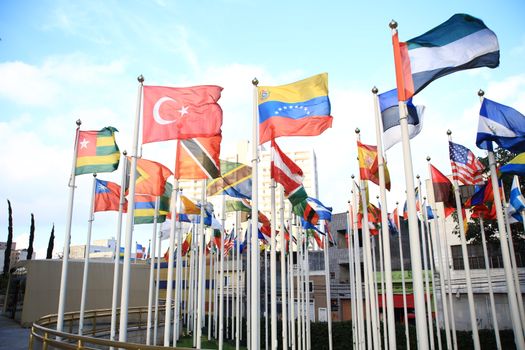
You enjoy following world events, learning about other cultures, and discussing why countries cooperate or come into conflict—but what job does that interest actually lead to? A common misconception is that studying international relations prepares you only to become a diplomat. Diplomacy is one option, but the field also includes policy research, humanitarian work, global business, security analysis, communications, trade, and international development.
Jobs involving international relations can be found in government agencies, nonprofit organizations, multinational companies, consulting firms, universities, think tanks, and news organizations. Some positions involve frequent travel or overseas assignments, while others are primarily office-based. Understanding the main career paths and their entry requirements can help you choose practical courses, internships, and early-career roles.
What kinds of jobs involve international relations?
International relations is not a single occupation. It is a broad area of work concerned with relationships among governments, organizations, businesses, and communities across national borders. The following roles are among the most common.
Foreign Service officer or diplomat
Foreign Service officers represent their country abroad and may work in embassies, consulates, or government headquarters. Their responsibilities can include analyzing political developments, supporting citizens overseas, managing embassy operations, promoting trade, and communicating government policy.
In the United States, candidates do not need one specific college major to apply, although they must meet eligibility requirements and complete a competitive selection process. The Department of State provides details about the work and its consular, economic, management, political, and public diplomacy tracks on its Foreign Service officer career page.
International policy analyst
Policy analysts investigate issues such as migration, trade, human rights, conflict, energy, public health, or climate policy. They gather evidence, monitor legislation and political developments, prepare reports, and recommend possible responses.
Entry-level research assistant positions may accept candidates with a bachelor’s degree. More advanced analyst roles often favor applicants with a master’s degree in international relations, public policy, economics, political science, security studies, or a related subject. Strong research and concise writing skills are especially important.
International development specialist
Development specialists work on programs intended to improve areas such as education, food security, infrastructure, economic opportunity, or access to essential services. Employers include government aid agencies, charities, foundations, consulting companies, and international organizations.
The job may involve designing projects, preparing budgets, coordinating local partners, monitoring results, and reporting to donors. Employers usually value practical experience in project management, data analysis, community engagement, or a technical field relevant to the program.
Humanitarian aid worker
Humanitarian organizations assist people affected by armed conflict, displacement, disasters, and other emergencies. Roles include program officer, logistics coordinator, protection officer, communications specialist, grants officer, and field administrator.
This work can be meaningful, but it may also involve difficult conditions, security restrictions, long hours, and extended periods away from home. Entry-level candidates can build relevant experience through local refugee services, disaster-response groups, community organizations, or nonprofit internships.
Intelligence or security analyst
Security analysts examine political instability, terrorism, military developments, cyber threats, and other risks. They may work for government agencies, defense organizations, consulting firms, financial institutions, or multinational businesses.
These jobs require careful judgment and the ability to distinguish reliable evidence from speculation. Government positions may require citizenship, background investigations, security clearances, or restrictions related to sensitive information. Knowledge of a strategically important language or region can strengthen an application.
International business and trade specialist
Companies operating across borders need employees who understand foreign markets, regulations, political risk, supply chains, and cultural differences. Relevant job titles include trade compliance analyst, global operations coordinator, international market researcher, political risk consultant, and government affairs specialist.
A business, economics, finance, law, or supply-chain background may be useful alongside international relations knowledge. These roles often suit people who want global work without pursuing a government or nonprofit career.
Interpreter, translator, or localization specialist
Language professionals help governments, businesses, courts, conferences, and international organizations communicate accurately. Interpreters work mainly with spoken or signed communication, while translators generally work with written material. Localization specialists adapt content or products for particular countries and cultures.
Knowing another language conversationally is not always enough. Professional work requires high proficiency, cultural understanding, accuracy, and sometimes specialized knowledge in areas such as law, medicine, technology, or diplomacy. Certification may be preferred or required in certain settings.
International communications or public affairs officer
Communications professionals explain policies, manage media relationships, write public information materials, organize campaigns, and respond to reputational issues. They may work for embassies, international charities, global companies, advocacy groups, or intergovernmental organizations.
Useful qualifications include journalism, communications, public relations, digital media, and international relations. Employers commonly request writing samples or evidence that a candidate can explain complicated issues clearly to different audiences.
What education do you need?
A bachelor’s degree is a common starting point for jobs involving international relations, but the best subject depends on the role. International relations, political science, economics, history, regional studies, languages, communications, business, and law can all provide relevant preparation.
A graduate degree may be helpful for specialized research, economics, senior policy, academic, or technical development positions. However, it is not automatically necessary for every career. Before paying for graduate school, compare actual job advertisements and determine whether employers require an advanced qualification or mainly value experience.
Students applying to colleges should also consider affordability, language programs, study-abroad options, internship access, and career services. Those managing an undergraduate application through the Common App can use this guide to contact Common Application support if technical or account problems interrupt the process.
Which skills matter most?
Employers typically look for a combination of subject knowledge and practical abilities. Valuable skills include:
- Clear research, writing, and briefing skills
- Critical thinking and evidence evaluation
- Cross-cultural communication and adaptability
- Foreign-language proficiency
- Data analysis and spreadsheet competence
- Public speaking, negotiation, and active listening
- Project and budget management
- Sound judgment when handling sensitive information
Language ability can be a major advantage, but it is not required for every position. A candidate who combines international knowledge with economics, statistics, cybersecurity, communications, law, or project management may be especially competitive.
How can you get your first job?
Many applicants struggle because they target highly competitive organizations without first gaining relevant experience. Start by looking for internships, research assistantships, fellowships, volunteer projects, government trainee programs, or administrative roles with international responsibilities.
Create evidence of your abilities rather than relying only on your degree title. You might prepare policy briefs, assist a professor’s research, analyze public data, organize a multicultural event, study abroad, or volunteer with immigrant and refugee communities. These experiences can demonstrate initiative, cultural awareness, and professional reliability.
When searching vacancies, use specific job titles rather than only “international relations.” Terms such as program assistant, policy researcher, grants coordinator, trade analyst, geopolitical risk analyst, public affairs associate, and international operations assistant often produce more useful results.
How does career growth usually work?
Early-career employees often begin by conducting research, arranging meetings, maintaining records, coordinating projects, or drafting routine reports. With experience, they may manage programs, supervise teams, advise decision-makers, control budgets, or specialize in a region or policy area.
Career growth is usually strongest when you build both broad international awareness and a recognizable specialty. For example, you might become an expert in East Asian trade, humanitarian logistics, sanctions compliance, election monitoring, or energy security. Professional development, language study, overseas experience, and carefully chosen graduate education can support advancement.
Ultimately, the best international relations career is not necessarily the one with the most travel or the most prestigious title. It is the role that matches your interests, strengths, preferred work environment, and tolerance for relocation or uncertainty. By developing practical skills and gaining experience step by step, you can turn an interest in global affairs into a realistic, flexible career.

