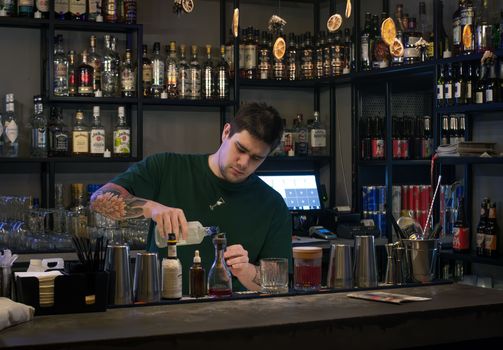
You are three orders behind, a customer is asking for a recommendation, a server needs drinks for a large table, and another guest is ready to pay. This is a typical pressure point behind a busy bar—and it shows why bartending involves much more than pouring beverages. A useful barman description must cover customer service, drink preparation, safety, payment handling, cleanliness, teamwork, and the ability to make sound decisions quickly.
The terms “barman” and “bartender” generally describe the same occupation, although “bartender” is now the more common, gender-neutral job title. Bartenders work in restaurants, hotels, pubs, nightclubs, resorts, event venues, casinos, and private clubs. Their exact responsibilities depend on the establishment, but the central goal is consistent: provide accurate, efficient, and responsible beverage service while creating a welcoming experience.
What Does a Bartender Do?
A bartender prepares and serves alcoholic and nonalcoholic drinks directly to customers or through servers. The role may include recommending beverages, explaining menu options, opening customer tabs, processing payments, restocking supplies, and keeping the bar sanitary and organized.
Behind these visible tasks is a substantial amount of coordination. Bartenders must remember recipes, monitor several orders at once, communicate with coworkers, and notice when a guest should no longer be served alcohol. They may also help control inventory, reduce waste, and prepare the bar before service begins.
The U.S. Bureau of Labor Statistics overview of bartender duties and working conditions notes that bartenders commonly check identification, collect payments, clean work areas, restock supplies, and monitor customers for intoxication.
Core Bartender Duties and Responsibilities
A complete barman description normally includes the following responsibilities:
- Greeting customers promptly and creating a friendly atmosphere.
- Taking drink and, where applicable, food orders.
- Preparing cocktails according to recipes and house standards.
- Pouring beer, wine, spirits, soft drinks, and other beverages.
- Checking identification to confirm that customers meet legal age requirements.
- Entering orders accurately into a point-of-sale system.
- Opening and closing tabs and processing cash, card, or digital payments.
- Monitoring customers for signs of intoxication and refusing service when necessary.
- Cleaning glasses, tools, counters, equipment, and surrounding work areas.
- Restocking bottles, ice, garnishes, napkins, straws, and glassware.
- Communicating with servers, kitchen employees, security personnel, and managers.
- Answering questions about ingredients, prices, specials, and menu choices.
- Tracking stock levels and reporting shortages, breakage, or waste.
- Following food safety, alcohol service, and workplace safety procedures.
Opening and Closing Tasks
Bartenders often perform important duties before the first customer arrives. Opening work may include checking inventory, cutting fruit, preparing syrups or garnishes, filling ice bins, polishing glassware, and confirming that equipment works correctly. The bartender may also count the cash drawer and review reservations, special events, or menu changes.
Closing duties can include reconciling payments, recording tips, cleaning equipment, disposing of waste, securing bottles, and noting items that need to be reordered. Careful closing procedures help the next shift begin efficiently and protect the establishment from inventory and cash losses.
Essential Bartender Skills
Customer Service and Communication
Bartenders interact continuously with customers and coworkers. They need to listen carefully, speak clearly, and remain courteous even when the bar is crowded. Good service does not necessarily require constant conversation; it means recognizing what each customer needs and responding professionally.
Tact is especially important when correcting an order, managing a complaint, enforcing house rules, or refusing further alcohol service. A calm tone can prevent a difficult interaction from escalating.
Drink Knowledge and Accuracy
A bartender should understand common spirits, wines, beers, mixers, garnishes, and cocktail methods. Knowledge of measurements and recipes helps maintain consistent taste, control costs, and prevent overpouring. Bartenders must also pay attention to requests involving allergies, alcohol-free drinks, or ingredient substitutions and follow the establishment’s procedures for handling them.
Speed, Organization, and Memory
During busy periods, several customers and servers may place orders at nearly the same time. Bartenders must prioritize tasks without losing track of ingredients, tabs, or special instructions. An organized workstation makes fast service possible and reduces mistakes.
Strong memory is useful, but bartenders should not rely on memory when accuracy could be compromised. Entering orders promptly, labeling prepared items, and following consistent routines are safer than guessing.
Numeracy and Payment Handling
Bartenders calculate bills, make change, manage tabs, and reconcile receipts. They must recognize pricing errors and follow procedures for discounts, complimentary drinks, refunds, and disputed charges. Trustworthiness is essential because the role involves direct access to cash, payment information, and valuable inventory.
Judgment and Conflict Management
Responsible service is one of the most important parts of the job. Bartenders must check identification carefully, observe customer behavior, and know when to involve a supervisor or security employee. They should understand applicable laws and employer policies concerning underage sales, intoxicated customers, and alcohol service hours.
What Is the Work Environment Like?
Bartending is active, social, and often noisy. Most of the shift is spent standing, walking, reaching, bending, and making repetitive hand movements. Workers may lift boxes, move containers, replace supplies, or handle heavy glassware racks. Wet floors, broken glass, sharp tools, hot equipment, and crowded spaces require constant awareness.
Schedules frequently include evenings, weekends, holidays, and late nights because these are peak business periods. Part-time and variable schedules are common. Earnings may also fluctuate because tips often depend on customer traffic, shift assignment, location, and the establishment’s tipping practices.
The emotional environment can be demanding as well. A bartender may need to remain pleasant while managing impatient guests, loud surroundings, complicated orders, and time pressure. Regular cleaning, safe lifting practices, supportive footwear, hydration, and appropriate breaks can make the physical workload more manageable.
Education, Training, and Experience
Many bartender positions do not require a college degree. Employers may prefer a high school diploma or equivalent, customer-service experience, or previous work in a restaurant. Entry-level workers often begin as servers, barbacks, hosts, or food-and-beverage attendants before moving behind the bar.
Training commonly occurs on the job and covers recipes, equipment, portion standards, payment systems, sanitation, customer service, and responsible alcohol service. Depending on the location, workers may need an alcohol-server permit, food-handler credential, or employer-approved training. Age and certification requirements vary by state and local jurisdiction, so applicants should check the rules where they plan to work.
What Employers Look for in a Bartender
Employers generally value reliability, professionalism, attention to detail, and willingness to work demanding shifts. Useful qualities include punctuality, personal cleanliness, teamwork, composure, and the ability to accept feedback. Experience with point-of-sale systems, high-volume service, inventory procedures, or specific drink styles may provide an advantage.
Applicants should describe skills with concrete examples rather than simply claiming to be friendly or hardworking. For instance, they can explain how they handled busy service periods, reduced order errors, trained coworkers, or resolved customer concerns. The same principle applies across service and cash-handling occupations, as explained in this guide to presenting job-description skills effectively on a resume.
Is Bartending a Good Career Fit?
Bartending may suit people who enjoy social interaction, practical work, changing situations, and fast-paced environments. It can build transferable abilities in sales, communication, cash management, teamwork, conflict resolution, and hospitality operations. Experienced bartenders may advance to lead bartender, bar supervisor, beverage manager, restaurant manager, trainer, or event-service roles.
However, the job can be challenging for someone who dislikes late hours, prolonged standing, loud settings, or frequent public interaction. Before applying, consider the establishment’s schedule, expected customer volume, physical requirements, tip structure, training process, and safety policies.
Ultimately, an accurate barman description combines hospitality with responsibility. A successful bartender does not merely make drinks; they manage customer experiences, protect safety, support the service team, and keep an important part of the business running smoothly.