
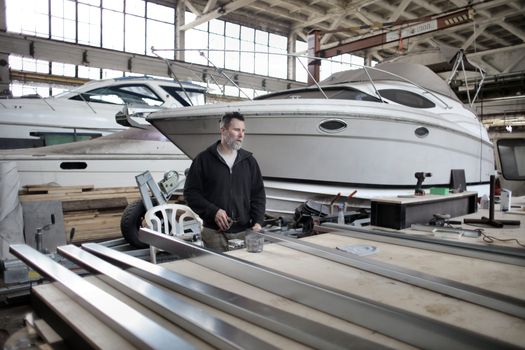
You may live near a river, lake, marina, harbor, or coastline and still wonder, “Are there any boat jobs near me that do not require years of experience?” In many communities, the answer is yes. Ferries, fishing vessels, tour boats, marinas, boatyards, shipping companies, and government agencies need workers both on the water and onshore. Some positions require maritime credentials, but others offer entry-level training.
The best opportunity depends on your location, experience, physical capabilities, and preferred schedule. Before applying, it helps to understand which local employers hire boat workers, what qualifications they expect, and how to show that you can work safely in a demanding environment.
What Types of Boat Jobs Are Available?
Boat employment extends well beyond captains and deckhands. Employers need people to operate vessels, assist passengers, maintain equipment, prepare food, handle reservations, clean boats, and support marina operations.
Deck and vessel operations
- Deckhand or ordinary seaman
- Ferry crew member
- Tour boat attendant
- Commercial fishing crew member
- Tugboat or barge worker
- Boat operator
- Mate or licensed captain
Entry-level deckhands commonly clean decks, handle lines, help dock the vessel, load supplies, watch for hazards, and assist passengers. More senior positions involve navigation, crew supervision, mechanical systems, or overall command of the vessel.
Maintenance and skilled trades
- Marine mechanic
- Marine electrician
- Fiberglass repair technician
- Welder or fabricator
- Boat painter or detailer
- Ship engineer or engine-room worker
- Boatyard laborer
These jobs may be found at boat dealerships, repair shops, manufacturing facilities, shipyards, and marinas. Mechanical, electrical, carpentry, welding, or automotive experience can transfer well to marine work. Readers interested in boatbuilding and repair may also benefit from exploring local opportunities in production careers.
Passenger and hospitality positions
Dinner cruises, sightseeing boats, charter companies, and ferries may hire ticket agents, reservation staff, servers, cooks, cleaners, guest-service representatives, and dock attendants. These roles can provide a way into the industry without prior sea service, particularly when employers hire seasonal staff.
Which Local Employers Should You Check?
Searching “boat jobs near me” on a general job board is a useful starting point, but it may not reveal every opening. Small marine businesses sometimes advertise through their own websites, social media pages, local workforce offices, or signs posted at marinas.
Depending on your area, potential employers may include:
- Municipal or regional ferry systems
- Marinas, yacht clubs, and boat-storage facilities
- Harbor cruises and sightseeing operators
- Fishing charters and commercial fishing businesses
- Tugboat, barge, and inland shipping companies
- Shipyards and boat-repair facilities
- Boat manufacturers and dealerships
- Water taxis and passenger shuttle operators
- State wildlife, parks, or environmental agencies
- Emergency response and marine law-enforcement agencies
- Hotels, resorts, camps, and waterfront recreation businesses
Think beyond the nearest ocean port. Inland rivers, reservoirs, canals, and large lakes support commercial transportation, tourism, maintenance, research, and recreational boating. A local marina may need a fuel-dock attendant, while a regional ferry operator may be recruiting deckhands or passenger-service workers.
Do You Need Experience or Maritime Credentials?
Requirements vary considerably. A marina attendant or boat cleaner may need only a valid driver’s license, dependable transportation, and the ability to work outdoors. A captain, engineer, or crew member on certain commercial vessels may need formal training, documented sea service, and federal credentials.
Many U.S. commercial maritime positions require a Merchant Mariner Credential, commonly called an MMC. Some workers also need a Transportation Worker Identification Credential, or TWIC, particularly when accessing secure maritime facilities. The vessel’s size, route, purpose, and the employee’s duties determine which rules apply. The Bureau of Labor Statistics overview of water transportation careers explains common training, credential, work-environment, and scheduling expectations.
An employer may also request:
- A pre-employment drug screening
- A background or security check
- A job-specific medical examination
- CPR, first-aid, or water-safety certification
- A boating safety certificate
- A valid passport for international routes
- Commercial driver or equipment-operation credentials
Do not assume that every boat job requires an MMC or captain’s license. Read each posting carefully and ask the employer which documents are required before paying for courses or applications.
What Is the Work Really Like?
Boat work can be rewarding, but it is not always a relaxed day on the water. Crew members may work in heat, cold, rain, wind, confined spaces, or noisy engine areas. Duties can involve standing for long periods, climbing ladders, lifting supplies, handling wet lines, and maintaining balance on a moving vessel.
Schedules also differ from conventional office hours. Ferries and tour boats may operate early in the morning, at night, on weekends, and during holidays. Commercial crews can remain aboard for days or weeks, while marina and sightseeing jobs may be seasonal. Ask about shift length, overnight travel, weather cancellations, overtime, housing, and meals before accepting an offer.
How to Find Boat Jobs Near You
Use several search terms rather than relying on a single phrase. Try combinations such as “deckhand,” “marina attendant,” “ferry crew,” “marine technician,” “boatyard laborer,” “boat detailer,” and “vessel operations.” Add the name of your city, county, lake, river, or port.
You can also improve your search by:
- Creating alerts on major employment websites
- Checking local government and transportation-agency career pages
- Visiting marina and charter-company websites directly
- Contacting maritime unions, trade schools, and apprenticeship programs
- Attending waterfront job fairs or boating events
- Calling smaller operators during their pre-season hiring period
- Asking local workforce offices about transportation and marine employers
When visiting a marina or boatyard, dress neatly, follow all posted safety rules, and ask whether applications are accepted in person. Avoid entering docks, workshops, or restricted areas without permission.
How to Make Your Application Stronger
Customize your resume for the position. Highlight experience involving mechanical work, customer service, outdoor labor, safety procedures, cleaning, construction, warehouse operations, hospitality, fishing, or equipment maintenance. Military service and experience working irregular shifts may also be relevant.
If you lack maritime experience, emphasize reliability and transferable skills. Employers often value candidates who arrive on time, follow instructions, communicate clearly, and remain calm when conditions change. Mention any boating experience honestly, but do not exaggerate your abilities or claim credentials you do not hold.
Before an interview, learn what the company’s vessels do and where they operate. Be prepared to discuss your availability, comfort around water, ability to work weekends, and willingness to complete required training. Bring copies of relevant licenses, safety certificates, and identification.
Starting Your Local Boat Career
The most practical entry point may be a seasonal deckhand, dock attendant, cleaner, guest-service worker, or boatyard helper position. Once hired, you can learn maritime terminology, build safety skills, document eligible sea service, and determine whether you want to pursue advanced credentials.
When researching boat jobs near me, focus on legitimate employers that clearly explain duties, pay arrangements, schedules, and credential requirements. Verify the business before sharing sensitive information, and be cautious of anyone demanding large upfront payments for a guaranteed job. A focused local search, honest application, and willingness to learn can open the door to a long-term career on or around the water.

