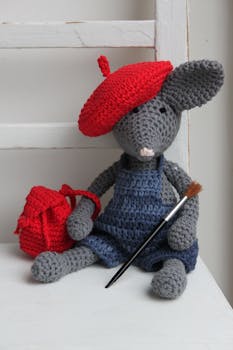
Have you ever wondered what it takes to turn the playful ideas floating in your mind into toys that spark joy in children around the world? As a toy designer, you are responsible for conceptualizing, designing, and bringing to life toys that educate and entertain. This vibrant career combines the artistic flair of design with the innovative spirit of invention, creating an inspiring profession for many creatives.
Becoming a Toy Designer: The Pathway to Playfulness
Diving into the world of toy design starts with understanding the key skills and knowledge areas essential to this creative profession. As a toy designer, you will need a keen understanding of child psychology, design principles, and manufacturing processes. This unique blend of skills enables you to create toys that are not only appealing but also safe, educational, and durable.
Educational Pathways
Pursuing a degree in industrial design, graphic design, or a related field is a common route to becoming a toy designer. These programs often cover essential subjects such as design theory, materials science, and digital modeling. Aspiring toy designers may also benefit from courses in early childhood education to better understand their audience.
If you are looking for financial support during your studies, consider exploring scholarships for art students, which can offer valuable assistance.
Developing Core Skills
Beyond formal education, success as a toy designer requires a mix of creativity, technical skills, and industry knowledge. Here are some core skills that are crucial:
- Creativity: The ability to think outside the box and envision new ways of play.
- Technical Proficiency: Proficiency in CAD software, 3D modeling, and prototyping is essential for creating and iterating designs.
- Understanding of Child Development: Knowing how children interact with toys is crucial for designing safe and engaging products.
- Knowledge of Materials: Familiarity with different materials helps ensure toys are safe, durable, and sustainable.
- Communication Skills: Effective communication is key to collaborating with colleagues and presenting your designs to stakeholders.
Industry Trends
The toy industry is dynamic, with trends continuously evolving to meet new consumer interests and technological advancements. As a toy designer, staying updated on these trends is vital. Currently, there is a growing demand for eco-friendly toys, promoting sustainability without compromising on fun. Additionally, the integration of technology into toys, such as augmented reality and app-connected toys, represents a significant trend.
Understanding these trends allows toy designers to innovate and develop products that resonate with today’s market demands.
Navigating the Toy Design Process
The journey from concept to the finished product involves several stages: imagining, sketching, prototyping, testing, and manufacturing. Each phase requires collaboration and feedback among designers, engineers, and marketers to ensure the toy meets the desired criteria for safety, appeal, and play value.
Conceptualization and Design
In this initial phase, toy designers brainstorm and sketch ideas for new toys. This creative process may involve researching existing products and identifying gaps in the market that new designs can fill. The goal is to create toys that offer unique experiences and stimulate children’s imagination.
Prototyping and Testing
Once a design idea is fleshed out, the next step is prototyping. This involves creating a working model of the toy, which can be used to test functionality and refine the design. It’s essential to ensure that prototypes adhere to safety standards and provide the intended play benefits before they proceed to manufacturing.
Manufacturing and Distribution
With a successful prototype, the toy moves on to the manufacturing phase. Toy designers collaborate with engineers and manufacturers to oversee production, ensuring quality standards are maintained. After manufacturing, toys are packaged and distributed to retailers, ready to reach the hands of eager children worldwide.
Exploring a career as a toy designer not only offers a fulfilling creative outlet but also the satisfaction of knowing your work contributes to childhood happiness and learning. Whether you’re drawn to the artistic side of design or the technical challenges of development, this career path offers many opportunities to innovate and inspire.
For more detailed information on educational paths and careers, you can explore resources like this entry on education.
Final Thoughts: Embark on Your Toy Designer Adventure
Embarking on a career as a toy designer allows you to combine your passion for creativity with the joy of creating wonderful products that enrich children’s lives. Whether through designing educational toys or enhancing play with technology, your contribution as a toy designer will be cherished by many. With a blend of sought-after skills and a passion for innovation, you can unlock boundless opportunities in this engaging career field.
- The toy industry combines creativity with technical design skills.
- Education in industrial or graphic design provides a strong foundation.
- Staying current with industry trends is crucial for success.
- Collaboration is key throughout the design and manufacturing process.
- A career as a toy designer offers both creative fulfillment and market impact.
What educational background is needed to become a toy designer?
An aspiring toy designer typically needs a degree in industrial design, graphic design, or a related field. Courses in design theory, materials science, and child psychology can also be beneficial.
What key skills should a toy designer have?
Important skills include creativity, proficiency with CAD software and 3D modeling, understanding child development, knowledge of different materials, and strong communication skills.
What current trends are transforming the toy industry?
Trends such as the development of eco-friendly toys and the integration of technology like augmented reality and digital interactivity are influencing the toy industry significantly.
How does the prototyping process work in toy design?
Prototyping involves creating a working model of the toy to test functionality, ensure safety, and refine design elements before mass production.
Where can I find scholarships for students pursuing a career in toy design?
Students looking for scholarships related to art and design can explore options through resources like our page on scholarships for art students.