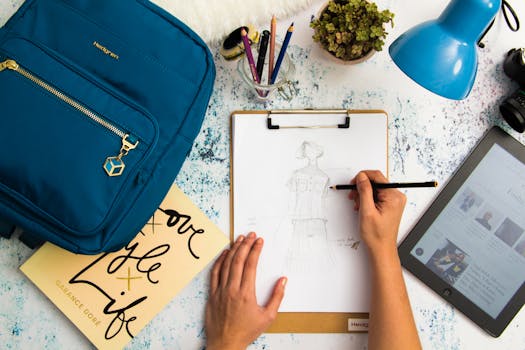
The fashion industry is a dynamic and ever-evolving field that requires a unique blend of creativity and technical skill. Understanding the fashion designer job scope is crucial for anyone aspiring to enter this exciting arena. This article will delve into the diverse roles and responsibilities of a fashion designer, highlighting the skills needed to succeed and the potential career paths available.
Understanding the Fashion Designer Job Scope
At its core, the fashion designer job scope involves creating clothing and accessories that are both functional and aesthetically pleasing. Designers must research current trends, develop themes for collections, and sketch designs. They are responsible for selecting fabrics, colors, and patterns, often bringing a conceptual idea through to a final product. The ability to balance creativity with practicality is essential, as fashion designers must ensure their creations are manufacturable and marketable.
Key Responsibilities of a Fashion Designer
Fashion designers have a range of responsibilities that vary depending on their role in the industry. Designers might focus solely on haute couture, creating exclusive custom-fitted clothing, or ready-to-wear lines intended for more mainstream markets. Regardless of their niche, most designers will be involved in:
- Trend analysis and forecasting
- Creating design sketches and prototypes
- Selecting materials and textures
- Collaborating with manufacturers and production teams
- Overseeing the final production process
The Importance of Creativity and Innovation
In the realm of fashion, creativity and innovation are paramount. Designers must continually push boundaries to develop new and fresh ideas. This requires staying attuned to cultural and social influences that can inspire new trends and concepts. A successful fashion designer not only follows fashion trends but is often ahead of them, proposing ideas that set the stage for the next wave of style.
Technical Skills in Fashion Designing
While creativity is vital, technical skills are equally important in the fashion designer job scope. Proficiency in design software like Adobe Illustrator and Photoshop is often necessary for professional design work. Understanding garment construction, textile properties, and pattern-making are all crucial elements that support the design process. Specialized education in fashion design, sometimes available through programs in Europe, can provide these skills, as discussed in our article on studying in the best art schools in Europe.
Navigating Career Paths in Fashion Design
The fashion industry offers a multitude of career paths for designers. Some may choose to join a fashion house where they can focus on designing specific types of garments. Others might work for clothing manufacturers, designing collections for retail. There is also the possibility of launching an independent label, allowing for greater creative control and entrepreneurial freedom.
Challenges and Opportunities
The fashion designer job scope also comes with its set of challenges. The industry is known for its competitiveness and fast-paced nature. Staying relevant requires continuous learning and adaptation. However, along with challenges come opportunities. Designers who innovate and create unique designs that resonate with consumers can achieve widespread recognition and success.
The Role of Networking and Collaboration
Building a network of industry contacts can be invaluable for fashion designers. Collaboration with fellow designers, manufacturers, and retailers opens doors to new opportunities and can provide support and inspiration. Additionally, participating in fashion shows and events can enhance visibility and establish a designer’s reputation in the industry.
Educational Paths and Resources
For those interested in pursuing a career in fashion design, obtaining formal education in the field can be highly beneficial. Degree programs in fashion design offer courses in drawing, color theory, fabric design, and business skills. Online resources such as Wikipedia’s fashion design education page provide valuable information on programs available worldwide. Many aspiring designers also gain experience through internships and apprenticeships, providing practical exposure and industry insights.
The fashion designer job scope is diverse and demands a blend of creativity, technical acumen, and strategic thinking. Whether designing for ready-to-wear lines or launching their own label, fashion designers play a pivotal role in shaping the trends and styles of the future.
- Fashion design requires both creative and technical skills.
- Designers work with trends and conceptualize ideas into reality.
- Career paths include working for a fashion house or launching an independent brand.
- Collaborative and networking skills are crucial for success.
- Education and practical experience are important foundations.
What educational background is required to become a fashion designer?
While formal education isn’t strictly necessary, many successful designers have degrees in fashion design or related fields. Fashion programs typically cover essential skills such as drawing, pattern making, and garment construction.
What are the key skills needed for a successful career in fashion design?
Beyond creativity, a successful designer should have skills in trend analysis, garment construction, and proficiency in design software. Strong collaboration and communication abilities are also important.
Can fashion designers specialize in a specific area?
Yes, many designers choose to specialize in areas such as haute couture, ready-to-wear, sportswear, or accessory design. Specialization can allow for greater expertise and recognition in a specific niche.
How does one stay updated with fashion trends?
Designers often stay informed by attending fashion shows, networking with industry professionals, and following fashion publications and trend reports. Continuous learning and adaptation are crucial.
Is it necessary to have a personal brand to succeed?
While having a personal brand can enhance recognition and career opportunities, it’s not mandatory. Many designers build successful careers working for established brands or companies without a personal label.