
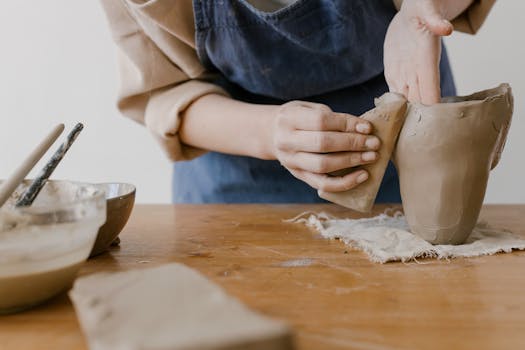
The question of what is ceramicist often arises among those interested in the realm of art and craft. A ceramicist is an artisan who specializes in creating objects out of ceramic materials, primarily clay. The art of ceramics involves shaping, glazing, and firing clay forms to produce functional and decorative pieces. Ceramicists play an integral role in both traditional and contemporary art, offering handmade items that range from simple pottery to intricate sculptures.
What is Ceramicist in the Modern Creative Landscape?
In today’s creative landscape, ceramicists blend ancient techniques with modern innovation, contributing significantly to the creative community. They work in studios, teach at educational institutions, and showcase their work in galleries or online platforms. The ceramicist definition today also includes educators and influencers who promote ceramic arts worldwide.
Ceramicists have a diverse range of skills, from hand-building and wheel-throwing to glazing and firing. These artisans often draw inspiration from nature, culture, and personal experiences to design unique creations. With the rise of online marketplaces, many ceramicists are also entrepreneurs, managing their own brands and engaging with a global audience.
The Technique: Mastering the Craft of a Ceramicist
The journey of becoming a proficient ceramicist involves mastering various techniques and understanding the properties of different clay bodies and glazes. Hand-building methods such as coiling, slab work, and sculpting are fundamental skills. Wheel-throwing, a dynamic and challenging technique, requires precision and practice to shape clay into symmetrical forms on a potter’s wheel.
Glazing is another essential aspect of ceramics, involving the application of liquid glass to the surface of the clay objects before firing. This process not only adds color and texture but also strengthens the object. Firing, typically in a kiln, transforms the clay body into a hardened, durable form. The high temperatures cause chemical reactions that bond the clay particles together.
Ceramicists in Education and Community
Ceramicists often contribute to education by teaching classes and workshops, sharing their knowledge with budding artists and enthusiasts. Many colleges and art schools offer specialized programs to hone the skills needed to pursue a career in ceramics. If you’re considering a path in art, exploring options like scholarships for art students can provide financial support and open opportunities for immersion in this vibrant field.
The role of a ceramicist extends beyond the studio and classroom. They play an active part in art fairs, exhibitions, and community art projects. These events serve as platforms for ceramicists to display their work, collaborate with fellow artists, and engage with the public. Community projects, such as large-scale murals or ceramic installations, bring artists together, fostering a sense of collaboration and cultural expression.
The Significance and Meaning of Ceramic Art
Exploring the ceramicist meaning goes beyond the technical skills to include the expressive capacity of ceramic art. Each piece created by a ceramicist tells a story, expressing ideas and emotions through form, color, and texture. This expressive quality makes ceramics a powerful medium in both historical and contemporary contexts.
Ceramics have been used throughout history for practical and ornamental purposes, reflecting cultural and societal values. Today, this tradition continues as ceramicists worldwide contribute to the evolution of crafts and design. The intersection of sustainability and art is also seen in the work of many modern ceramicists, who emphasize eco-friendly practices and materials.
Moreover, contemporary ceramic artists are challenging traditional boundaries by integrating technology such as 3D printing with age-old techniques. This fusion unites the tactile nature of ceramics with the precision of modern technology, leading to innovative works that redefine the concept of ceramics in art and design.
Ceramicists’ Influence in Modern Design
The influence of ceramicists can be seen across various design sectors. In interior design, ceramicists provide bespoke tiles, planters, and homeware that add aesthetic value to living spaces. In fashion, ceramic jewelry offers unique pieces that reflect personal style and craftsmanship.
Ceramicists also collaborate with architects and product designers, creating bespoke installations and functional designs that integrate seamlessly into contemporary architecture. This collaboration exemplifies the versatility and beauty of ceramic art in enhancing modern design narratives.
Prestigious museums and galleries often feature ceramicists’ work, allowing them to reach a wide audience and gain recognition in the art world. This exposure helps preserve the heritage of ceramic arts while inspiring new generations to explore and innovate within the field.
Conclusion: Understanding What is Ceramicist
In conclusion, understanding what is ceramicist involves recognizing the blend of artistry, skill, and innovation that defines their contributions to art and culture. From traditional pottery to contemporary sculptures, ceramicists continue to push boundaries, offering both aesthetic and functional works that enrich our lives. The journey of a ceramicist is one of continuous learning, creativity, and sharing.
- Ceramicists are skilled artisans who create objects from clay, using traditional and modern techniques.
- The role of a ceramicist includes being an artist, educator, and innovator.
- Ceramic arts have historical significance and contemporary relevance in design.
- Ceramicists contribute to sustainability and cultural expression through their work.
- The field of ceramics is evolving, with new technologies enhancing artistic possibilities.
FAQ
What materials do ceramicists use?
Ceramicists primarily work with clay, which can be classified into various types like earthenware, stoneware, and porcelain. Additives and glazes are used to alter texture and color.
How do I start a career as a ceramicist?
To start a career in ceramics, consider enrolling in pottery classes or art programs, practice regularly, and create a portfolio. Networking with other artists and participating in exhibitions can also be beneficial.
Can ceramic arts be self-taught?
Yes, many ceramicists are self-taught. Online tutorials, books, and community workshops are excellent resources for learning the basics and experimenting with different techniques.
What role does technology play in ceramics?
Technology, such as 3D printing and digital design tools, plays a significant role in modern ceramics, offering new ways to design, create, and enhance traditional ceramic techniques.
Where can I find more information about becoming a ceramicist?
For more information, you can explore educational resources online or in-person at art schools and community centers. Visiting exhibitions and speaking with practicing ceramicists can also provide valuable insights. A good external resource is Wikipedia’s page on Education.

