
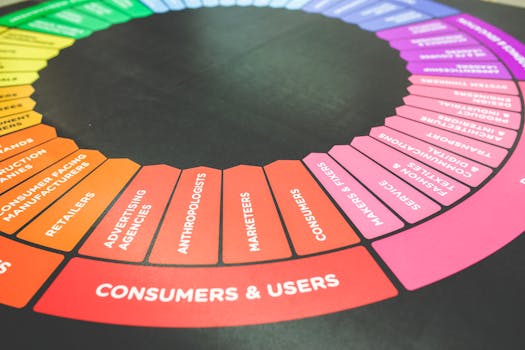
In the ever-evolving world of marketing, understanding the nuances of situation analysis marketing can make a significant difference in crafting successful marketing strategies. This practice involves evaluating various internal and external factors that can affect a company’s performance in the market. By thoroughly analyzing the current market situation, businesses are better equipped to make informed decisions that align with their strategic goals.
Importance of Situation Analysis Marketing
Situation analysis is a cornerstone of effective marketing strategies. It allows businesses to identify their strengths, weaknesses, opportunities, and threats—a framework commonly known as SWOT analysis. This groundwork provides a comprehensive view of the company’s position in the market, helping marketers develop strategies that leverage strengths and address challenges.
Components of Situation Analysis
To perform a thorough situation analysis, marketers must consider several key components:
- Internal Analysis: This involves evaluating the company’s resources, capabilities, culture, and performance. It helps identify areas where the company excels and where improvements are needed.
- External Analysis: Examines factors outside the company, including competition, market trends, and economic conditions. Understanding these elements can reveal opportunities or threats that impact performance.
- SWOT Analysis: As a part of situation analysis, SWOT helps in categorizing all factors into strengths, weaknesses, opportunities, and threats, providing a clear strategic overview.
Conducting Effective Market Research
Successful situation analysis marketing relies heavily on quality market research. By gathering data on consumer behaviors, competitive strategies, and market trends, companies gain valuable insights into their industry landscape. This data serves as the backbone of informed strategic planning. For more on how market trends can be analyzed, see how popular culture impacts data analytics.
Applying Situation Analysis in Marketing Strategy
Once collected, the insights from situation analysis help shape strategic objectives. For instance, a company might discover through external analysis that there is a growing demand for eco-friendly products. Such information can inform product development, marketing communications, and even pricing strategies. Moreover, aligning marketing efforts with the insights garnered ensures resources are optimally utilized and increases the chances of achieving desired outcomes.
Case Study: A Practical Example
Consider a mid-sized manufacturing company aiming to expand its market share. Through internal analysis, the company identifies that its operational efficiency is a significant strength. Meanwhile, external analysis reveals that a key competitor recently exited the market, presenting a potential opportunity. Armed with this information, the company decides to increase production and target new customer segments, capitalizing on the reduced competition.
Challenges in Situation Analysis
Despite its benefits, conducting a situation analysis marketing can be challenging. Factors such as data availability, market volatility, and unpredictable consumer behavior can complicate the process. Companies must be agile and adaptable, continually updating their analysis to reflect current realities. Additionally, external factors out of a company’s control can affect the accuracy and reliability of the analysis, making it crucial to rely on well-established data sources and methodologies.
Technological Advancements and Situation Analysis
Modern technologies, such as data analytics and artificial intelligence, are revolutionizing how situation analysis is conducted. These tools enable marketers to process large volumes of data quickly, providing timely insights that inform strategic decisions. As technology continues to evolve, it offers more precise and actionable data, helping companies stay competitive in a rapidly changing market landscape.
To learn more about how educational practices can tie in with business strategies, explore resources on education.
- Situation analysis involves assessing internal and external factors.
- SWOT analysis is a key framework within situation analysis marketing.
- Effective market research underpins successful marketing strategies.
- Adapting to technological advancements can enhance analysis accuracy.
- Regular updates to the analysis ensure alignment with market realities.
FAQ
What is the primary goal of situation analysis in marketing?
The primary goal of situation analysis in marketing is to understand the current state of the market and the company’s position within it, which aids in creating more effective marketing strategies.
How often should situation analysis be conducted?
Situation analysis should be conducted regularly, typically at the start of a new project, campaign, or fiscal year. It should be updated as significant changes in the market occur.
What tools are commonly used in situation analysis?
Common tools for situation analysis include data analytics software, market research reports, SWOT analysis frameworks, and competitive intelligence platforms.
Can situation analysis benefit small businesses?
Yes, situation analysis is beneficial for businesses of all sizes. It helps small businesses understand their competitive landscape and identify growth opportunities.
What role does consumer behavior play in situation analysis?
Understanding consumer behavior is crucial in situation analysis as it reveals preferences, needs, and trends that influence marketing strategies and business decisions.
In conclusion, situation analysis marketing provides the necessary foundation for effective marketing strategies by honing in on internal and external factors. As businesses navigate their unique challenges and opportunities, applying these insights can lead to more informed decisions and successful outcomes.

