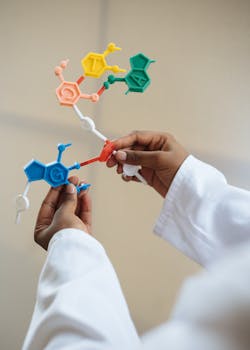
When it comes to professions for biology majors, the possibilities are vast and varied. Whether you’re interested in research, education, healthcare, or environmental conservation, your biology degree can open doors to a multitude of rewarding careers. In this article, we’ll explore some exciting career paths that biology majors can pursue and examine the skills and qualifications needed to succeed in these fields.
Exploring Professions for Biology Majors
Biology majors have a unique set of skills that prepare them for numerous career opportunities. From working in laboratories to engaging in field research or pursuing further studies in medicine, there are many avenues to explore. Below, we delve into some of the most popular and promising career paths for those with a background in biology.
Healthcare and Medical Professions
One of the most common routes for biology majors is entering the healthcare and medical field. This sector offers various opportunities, including roles as doctors, nurses, physician assistants, and pharmacists. Many biology majors choose to pursue medical school or other advanced degrees to specialize in these professions.
Biologists in healthcare not only provide patient care but also engage in medical research. Their contributions can lead to groundbreaking discoveries in diseases, treatment options, and healthcare improvements. For more detailed information on medical careers, you can visit this resource on healthcare professions.
Research and Development
Research is a cornerstone of biological sciences, and those with a passion for discovery may choose careers in research and development (R&D). These roles often involve working in laboratories, universities, or pharmaceutical companies, focusing on the study of living organisms and their interactions with the environment.
Biologists in R&D contribute significantly to advancements in medicine, agriculture, and biotechnology. Many find fulfillment in knowing their work could lead to innovative solutions to global issues, such as food security and disease control.
Environmental and Conservation Science
For biology majors who are passionate about the environment, careers in environmental science and conservation offer rewarding alternatives. These professionals work towards preserving ecosystems, wildlife, and natural resources. Roles may include wildlife biologists, environmental consultants, or conservation scientists.
These positions often necessitate fieldwork, allowing biologists to work outdoors and directly contribute to conservation efforts. The impact of this work can be profound, ensuring the sustainability of our planet for future generations.
Education and Communication
Biology majors with a flair for teaching or communication can pursue careers in education or science communication. Educators at the high school or college levels hold crucial roles in shaping the minds of future scientists. Meanwhile, science communicators make complex scientific information accessible to the general public through articles, documentaries, or outreach programs.
Careers in education and communication require strong verbal and written skills, alongside a deep understanding of biological principles.
Biotechnology and Biopharmaceuticals
The biotechnology and biopharmaceutical industries are rapidly growing fields that utilize biological organisms to develop products and technologies. Biologists in this sector leverage their expertise in genetics, molecular biology, and cell biology to contribute to the development of new drugs, vaccines, and diagnostic tools.
These careers offer unique opportunities to work at the intersection of science and innovation, driving progress in healthcare and agricultural industries.
Internships and Further Education
To enhance employability, biology majors are encouraged to pursue internships and further education. Internships provide practical experience and the chance to apply theoretical knowledge in real-world settings. Moreover, pursuing graduate studies can lead to advanced roles in academia or specialized industry positions.
For those interested in broadening their academic and career horizons, exploring online accredited biology classes can be a valuable step.
In conclusion, professions for biology majors are diverse and promising, offering numerous paths that align with various interests and skills. By taking full advantage of available resources and opportunities, biology graduates can look forward to fulfilling and impactful careers.
- Biology majors have a wealth of career options beyond traditional paths.
- Healthcare and research are popular fields requiring advanced education.
- Environmental science offers outdoor and conservation opportunities.
- Education and communication careers demand strong communication skills.
- Further education and internships enhance career prospects.
What are some high-paying professions for biology majors?
High-paying professions for biology majors typically include careers in healthcare, biotechnology, and pharmaceutical companies. Specific roles may include clinical laboratory technologist, biomedical engineer, or medical and health services manager.
Can biology majors pursue careers outside of science?
Yes, biology majors can transition into non-scientific fields such as sales, marketing, business management, and policy, using their analytical and problem-solving skills developed during their studies.
What skills do employers look for in biology majors?
Employers value a variety of skills in biology majors, including critical thinking, analytical skills, attention to detail, observational skills, and the ability to work in teams. Laboratory and technical skills are also beneficial.
Is a master’s degree necessary for a career in biology?
While not necessary for all positions, a master’s degree can provide specialized knowledge and opportunities for advancement in fields such as research, academia, and specialized industry roles.
What are some emerging fields for biology majors to consider?
Emerging fields such as bioinformatics, genomics, synthetic biology, and personalized medicine offer exciting prospects for biology majors looking to engage in cutting-edge research and technology.