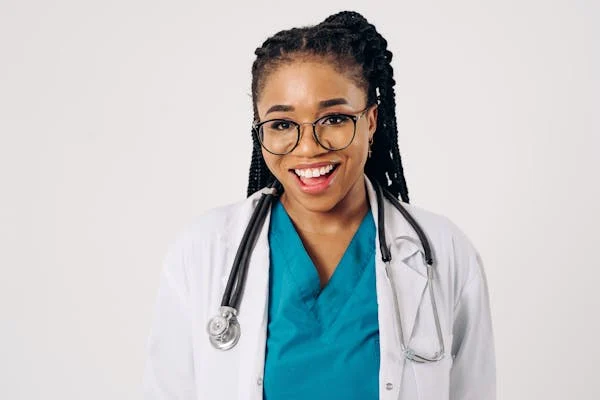
The healthcare industry is expanding rapidly, adding more new jobs than before. Over 17 million people were employed in the healthcare sector in 2023, according to the Bureau of Healthcare Workforce. This growth is creating opportunities that reach far beyond traditional medical roles.
Many professionals with degrees in fields like business, education, psychology, or social work are moving into healthcare. They do it by applying the skills they already have, rather than through a complete career reset. Employers are now hiring for roles that require communication, organization, and leadership skills, often gained outside of medical school.
This guide will help you explore healthcare career options where your current degree matters. We’ll show how some programs can fast-track your transition into a healthcare professional.
Why Healthcare Appeals to Non-Medical Degree Holders
Healthcare continues to draw professionals from non-medical fields. There’s a growing demand for skilled professionals to support care systems beyond direct patient treatment.
According to the U.S. Bureau of Labor Statistics, job growth in healthcare is expected to be much faster than average. Each year, about 1.9 million job openings are expected in healthcare. These openings come from both new job creation and the need to replace workers who leave the field permanently. The median annual salary for healthcare practitioners and technical occupations was $83,090.
This is why people are leaving stagnant or high-stress industries for healthcare. As the healthcare industry offers strong job growth, competitive pay, and a purpose that’s often missing elsewhere.
Skills That Fit the Healthcare Landscape
For many, the shift is practical. They’re bringing skills that already work in healthcare settings. Communication, time management, critical thinking, and leadership are needed in hospitals, clinics, insurance companies, and public health agencies.
Someone with a degree in psychology may find a natural fit in behavioral health support roles. A business graduate might lead operations in a hospital or coordinate logistics for a healthcare startup. These roles are vital, and they don’t require a medical degree.
Burnout and the Search for Flexibility
Burnout is also a factor. According to a Deloitte survey, 77% of professionals said they have experienced burnout at their current job. Moreover, over half of employees report more than one instance of burnout.
Healthcare, with its wide range of job types and flexibility, offers a new start. It also promises career mobility. Entry points are diverse, and professional development is widely supported through certifications, training, and continuing education.
Holistic and Tech-Driven Care
Another reason is the growing recognition of holistic care. Today’s healthcare systems value mental health, patient education, community outreach, and technology. These areas rely on professionals trained in psychology, education, IT, and social sciences.
As care delivery expands beyond traditional settings, new roles continue to open, like telehealth coordinators, patient advocates, and healthcare data analysts.
Easy Entry Into the Healthcare Industry
One of the most attractive features of the healthcare industry is how accessible it has become. While some career pathways demand years of specific education, many require minimal upskilling through fast-track programs. The industry recognizes the urgency of its growing workforce needs and has responded by designing flexible, streamlined entry points for newcomers.
One of the most compelling options for those drawn to direct patient care is nursing. Nursing continues to top the list of trusted healthcare careers, and entering the profession no longer means starting from scratch. Programs like the Bachelor of Science in Nursing online program offer a clear, fast-track option for individuals who already hold a non-nursing bachelor’s degree.
According to Elmhurst University, online programs like these provide essential principles and skills needed by individuals to begin their nursing careers. Some professionals also pursue master’s degrees in nursing even without a Bachelor’s degree in the same discipline.
This streamlined process makes nursing one of the most accessible healthcare careers for professionals from other fields. The master’s degree in nursing jobs are even more rewarding and lucrative. Professionals with this credential can work as public health nurses, nurse educators, legal nurse consultants, and nurse entrepreneurs.
It’s a practical, purposeful route for those who want to make a difference without committing to a multi-year degree path.
In short, healthcare is no longer limited to those with science-heavy degrees. It has opened its doors to professionals who bring diverse skills and fresh perspectives. As the demand for care evolves, so do the roles available, making now a smart time to consider a transition.
High-Demand Healthcare Careers That Don’t Require a Medical Degree
Healthcare careers today extend far beyond hospitals and stethoscopes. Many high-demand roles do not require a traditional medical degree but still play a critical part in patient care and system operations. These roles attract professionals from different fields.
Health Services Manager
This role involves managing operations in clinics, nursing homes, or departments within hospitals. It’s the fastest-growing management occupation in the country. The U.S. News reported that this is primarily driven by the aging baby boomer population that requires more healthcare services.
Professionals with backgrounds in business, human resources, or public administration often thrive here.
Mental Health Counselor
The need for licensed mental health counselors continues to grow as the U.S. faces a mental health crisis. A report from Mental Health America states that 54.7% of American adults experience mental illness, but do not receive treatment.
Individuals with psychology, education, or social work degrees can pursue certification to become mental health counselors.
Medical and Pharmaceutical Sales Representative
Sales roles in healthcare rely on communication, relationship building, and product knowledge. These positions are ideal for those with marketing, communication, or business degrees.
According to Research.com, the compensation for sales reps can reach up to $162,386, depending on the product and region. This role combines science with sales, and ongoing product education is often provided by the employer.
FAQs
Is there a demand for healthcare workers in the US?
Yes, there is a strong demand for healthcare workers in the U.S., particularly for phlebotomists. The employment growth in this sector is faster than the average. This demand is driven by the essential roles that need to be played by healthcare workers.
What is the number one best healthcare job?
The best healthcare job is a nurse practitioner. This role offers high demand, excellent salary, job flexibility, and strong career growth. Nurse practitioners provide advanced patient care, often with autonomy, making it a top choice for both job satisfaction and stability.
What is the easiest healthcare degree to get?
Phlebotomy is considered one of the easiest healthcare degrees to obtain. It typically requires just 4–6 months of training. Programs are affordable and accessible, often available online or at community colleges. This makes it an ideal entry point for those seeking a quick start in healthcare.
A non-medical degree isn’t a limitation, it’s a valuable starting point. The modern healthcare system depends on diverse skills to keep it running. Professionals with backgrounds in business, psychology, education, and technology are stepping into roles that offer real impact and long-term growth.
In today’s workforce, purpose-driven careers matter more than ever. The door to healthcare is open—your unique experience can be the key.