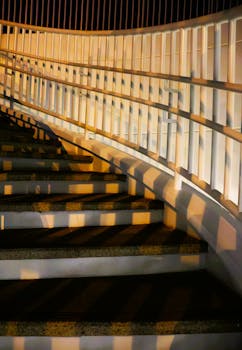
Urban design is a crucial field that shapes the aesthetic and functional aspects of cities. As an urban designer, you play a vital role in creating sustainable and livable urban environments. This discipline combines elements of architecture, landscape architecture, and city planning. The goal is to create public spaces that enhance social interaction, improve functionality, and promote sustainability.
The Role of an Urban Designer
An urban designer is responsible for the aesthetic and functional layout of urban spaces. Their work involves planning the use of spaces, ensuring the effective integration of buildings and landscapes, and engaging in processes that consider environmental, social, and economic sustainability. Urban designers must balance technical knowledge with creativity, adapting their ideas to suit evolving cities.
Concepts and Principles in Urban Design
Understanding urban design involves grasping several key concepts. These include human scale, connectivity, diversity, and adaptability. Human scale refers to creating environments that are accessible and comfortable for people. Connectivity is about enhancing the links between different spaces and places, while diversity ensures a range of amenities and land uses. Adaptability is crucial for urban spaces to meet changing needs over time.
Challenges Faced by Urban Designers
Urban designers encounter a variety of challenges in their work. Rapid urbanization demands innovative solutions to accommodate growing populations. Environmental issues like climate change necessitate designs that reduce ecological footprints. Moreover, urban designers must navigate political and regulatory frameworks that influence planning processes.
Sustainable Urban Design Strategies
To achieve sustainable urban environments, urban designers employ various strategies. Green infrastructure, such as parks and green roofs, play a critical role. Mixed-use developments that combine residential, commercial, and recreational spaces promote walkability and reduce reliance on cars. Additionally, incorporating renewable energy and resource-efficient technologies supports long-term sustainability.
Tools and Technologies in Urban Design
Modern urban design heavily relies on digital tools and technologies. Software for 3D modeling and Geographic Information Systems (GIS) enable detailed planning and visualization. These tools assist urban designers in making data-informed decisions and engaging stakeholders through visual presentations.
Urban design is closely related to fields like graphic design and architecture. For aspiring designers, exploring top-ranked design schools could be a valuable step in honing creative and technical skills necessary in these professions.
Becoming an Urban Designer
Pursuing a career as an urban designer involves a blend of education and practical experience. Many urban designers possess degrees in urban planning, architecture, or landscape architecture, followed by specialized training in urban design. Internships and project-based learning are vital for gaining hands-on experience and understanding real-world contexts.
Future Trends in Urban Design
The future of urban design is set to be shaped by several emerging trends. Smart cities, featuring interconnected digital infrastructure, prioritize efficiency and sustainability. Resilient urban design emphasizes the capacity to withstand environmental shocks. Population dynamics and cultural changes also influence design considerations.
Conclusion
Embracing a future-focused mindset is essential for any aspiring urban designer. By integrating sustainability, innovation, and adaptability, urban designers help craft cities that are livable, vibrant, and sustainable. For more insights into the educational pathways for urban designers, consult reputable sources such as Wikipedia.
- Urban design shapes the livability and sustainability of cities.
- Urban designers balance creativity with technical expertise.
- Sustainable strategies include green infrastructure and mixed-use developments.
- Digital tools like GIS are essential for modern urban design.
- Future trends point towards smart and resilient cities.
What does an urban designer do?
An urban designer is involved in planning and creating aesthetically pleasing and functional urban spaces, focusing on sustainability and community needs.
How can urban design contribute to sustainability?
Urban design supports sustainability by integrating green infrastructure, promoting mixed-use developments, and encouraging non-motorized transportation.
What educational background is needed for a career in urban design?
Most urban designers have degrees in urban planning, architecture, or landscape architecture, with further specializations in urban design.
What challenges do urban designers face today?
Challenges include addressing rapid urbanization, managing environmental impacts, and navigating regulatory frameworks.
What are some emerging trends in urban design?
Emerging trends include the development of smart cities, resilient urban environments, and a focus on sustainability and adaptability in design.