
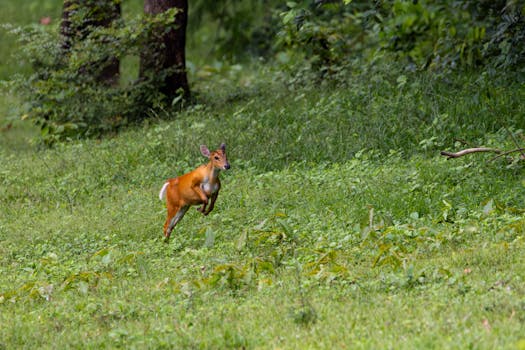
Pursuing a career in zoology offers an exciting opportunity to delve into the fascinating world of animals. With numerous zoology occupations available, you’ll find roles that contribute significantly to wildlife conservation efforts. Whether working directly with animals or conducting important research, zoologists play a vital role in understanding and preserving biodiversity.
Understanding Zoology Occupations
Zoology is a broad field with numerous job opportunities. Careers in zoology range from field research and wildlife management to education and advocacy. Some of the most common zoology occupations include wildlife biologists, zoo curators, and veterinary scientists.
Wildlife Biologist
Wildlife biologists study animals in their natural habitats, analyzing their behaviors, genetics, and ecosystems. Their research helps in crafting strategies for species conservation and management. Many wildlife biologists work for government agencies, non-profits, or educational institutions. To start on this path, a degree in zoology or wildlife biology is crucial.
Zoo Curator
Zoo curators are responsible for the care and management of animal collections in zoos. This role involves overseeing animal diets, habitats, and breeding programs. Curators also engage in public education and conservation projects. Experience working as a zookeeper or in a similar capacity is often required.
Veterinary Scientist
Veterinary scientists focus on the health and welfare of animals. They may work in various environments, including clinics and research laboratories, and play a crucial part in disease prevention and treatment. Veterinary scientists often require advanced degrees in veterinary medicine or related fields.
Contributing to Wildlife Conservation through Zoology
Zoologists contribute to wildlife conservation by researching animal populations, developing conservation plans, and educating others about the importance of biodiversity. Their science-based approaches provide insights into the challenges faced by wildlife populations and how to address them effectively.
Research and Fieldwork
Many zoologists engage in research and fieldwork to collect data on animal species. This information is vital for tracking population trends and assessing the impact of environmental changes. Zoologists often collaborate with conservation organizations to implement strategies that help protect endangered species.
Educational Outreach
Education is a crucial aspect of conservation efforts. Zoologists educate the public about wildlife conservation through talks, workshops, and publications. This outreach helps raise awareness and foster community involvement in conservation initiatives.
Policy Advocacy
Some zoologists are involved in advocacy, using their knowledge to influence conservation policies. By working with governmental and non-governmental organizations, they help shape legislation that promotes sustainable practices and habitat protection.
Educational Pathways in Zoology
A career in zoology typically requires formal education in biology or a related field. Many universities offer specialized programs that combine classroom learning with fieldwork opportunities. For those interested in online options, accredited biology classes can provide a flexible path to gaining necessary qualifications.
Continuing education and professional development are essential for career advancement in zoology. Engaging in workshops, seminars, and certification programs can enhance your skills and knowledge, keeping you updated on the latest research and technologies in the field.
Zoology Occupations: The Future Outlook
The demand for zoology occupations is expected to grow as environmental issues intensify and the need for conservation scientists increases. Zoologists with specialized expertise, such as in genetics or environmental science, may have better job prospects. The skills and knowledge acquired in zoology can also be applied in other fields, such as environmental consulting or ecotourism.
Job Market and Opportunities
The job market for zoologists is diverse, with opportunities in research, education, and conservation. Government agencies often employ zoologists to conduct research and manage wildlife resources, while non-profits focus on advocacy and conservation initiatives. Academic institutions also offer roles in teaching and research.
External collaboration and international projects provide avenues for career growth and specialization. By interacting with global experts and participating in multinational conservation efforts, zoologists contribute to broad-scale environmental solutions.
For more information on the field of zoology, refer to Wikipedia’s page on Zoology. This resource provides a comprehensive overview of the field’s components and its significance to biodiversity.
In conclusion, zoology occupations provide rewarding careers with profound impacts on wildlife conservation. Whether through research, education, or policy, zoologists play a crucial role in protecting the planet’s biodiversity.
- Zoology occupations cover a wide range of roles, including research, management, and advocacy.
- Zoologists contribute significantly to wildlife conservation efforts through various means, from fieldwork to policy advocacy.
- Educational pathways in zoology offer diverse opportunities for specialization and career advancement.
- Continuing education is essential for staying current in the dynamic field of zoology.
- The future outlook for zoology occupations is promising, with growth in demand due to environmental challenges.
What are the main jobs in zoology?
The main jobs in zoology include wildlife biologist, zoo curator, and veterinary scientist. Each role focuses on different aspects of animal management, conservation, and research.
How does one become a zoologist?
To become a zoologist, you typically need a degree in zoology, biology, or a related field. Gaining experience through internships and continuing education further enhances career prospects.
What kind of research do zoologists conduct?
Zoologists conduct research on animal behavior, genetics, diseases, and ecosystems. Their studies aim to understand species, track populations, and develop conservation strategies.
Why is zoology important for conservation?
Zoology is crucial for conservation as it provides the scientific basis for understanding animals and their habitats, helping craft effective preservation and restoration strategies.
What skills are needed for a career in zoology?
Careers in zoology require strong skills in research, data analysis, communication, and often fieldwork. Critical thinking and problem-solving are also essential for addressing conservation challenges.

