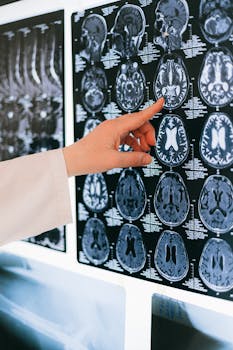
Neuroscience offers a wide array of career opportunities that can appeal to those fascinated by the complexities of the human brain and nervous system. With a degree in neuroscience, you can embark on a path that leads to exciting and impactful professions. Understanding the various neuroscience occupations available can help you pave the way towards a fulfilling career.
Exploring Neuroscience Occupations
The field of neuroscience is vast, encompassing various disciplines such as biology, psychology, and chemistry. This diversity translates to numerous careers with a neuroscience degree, ranging from clinical research to academic teaching, and even entrepreneurial pursuits. For those passionate about understanding how the brain functions, the potential career paths are both challenging and rewarding.
Careers in Research
Research roles are at the heart of neuroscience occupations. Scientists in this field study everything from neural pathways to behavioral patterns. A research career might involve working in academic institutions, healthcare organizations, or pharmaceutical companies. As a researcher, you could contribute to groundbreaking studies that advance our understanding of neurological diseases.
Clinical Neuroscience Roles
For those interested in applying their knowledge directly to help patients, clinical roles offer an attractive option. Clinical neuroscientists might work as neuropsychologists, neurosurgeons, or neurologists. These professionals diagnose and treat disorders of the nervous system, relying on both intricate knowledge and patient interaction skills.
Biotechnology and Pharmaceutical Careers
Biotechnology and pharmaceutical companies look for graduates to help in the development of new drugs and medical technology. These careers focus on creating and testing treatments for neurological disorders. Collaboration between neuroscientists, biotechnologists, and medical personnel is crucial for innovation in this field.
Educational Pathways and Academia
A career in academia offers the opportunity to teach and inspire future generations of neuroscientists. In this role, educators not only impart knowledge but also engage in their own research projects. The academic setting provides a rich environment for collaboration and learning.
Policy, Advocacy, and Public Health
Neuroscience professionals engage in policy-making and advocacy to influence public health decisions. These roles often involve working with government agencies or non-profit organizations to promote mental health awareness and support research initiatives. Understanding the broader impacts of neuroscience on society is crucial for these occupations.
Considering an online pathway in science? You may also want to explore microbiology classes online as another area of interest that complements neuroscience.
Entrepreneurship and Innovation
Some graduates choose to delve into entrepreneurship, driving innovation in neurotechnology or artificial intelligence. This career path is ideal for those with a knack for business and a vision for what the future of brain science could look like. Startups in this realm often work on developing tools or applications that enhance our understanding of the brain.
For more information on educational requirements and job outlook, you can refer to Bureau of Labor Statistics.
- Neuroscience careers span diverse fields including research, clinical applications, and public policy.
- There are opportunities to work in academia, biotech industries, or as entrepreneurs.
- The field offers roles that align with a variety of interests, from patient care to coding algorithms.
- Neuroscience continues to evolve, presenting new and exciting challenges.
What skills are essential for a neuroscience career?
A neuroscience career often requires strong analytical and critical thinking skills. Additional skills such as communication and collaboration are vital for research and clinical settings.
How can I prepare for a career in neuroscience?
Preparation can include pursuing a relevant degree, gaining research experience, and staying updated on the latest scientific developments.
Are there online resources to enhance my neuroscience education?
Yes, numerous online courses and workshops are available, as well as resources from reputable institutions and educational platforms.
What are the prospects for growth in neuroscience fields?
Neuroscience is a growing field with expanding opportunities in research, clinical applications, and technology innovations.
Is continuing education important in neuroscience occupations?
Continuing education is crucial for keeping pace with advancements and breakthroughs in neuroscience.
By understanding these neuroscience occupations, you can better navigate your career path and unlock various opportunities that align with your passions and expertise.