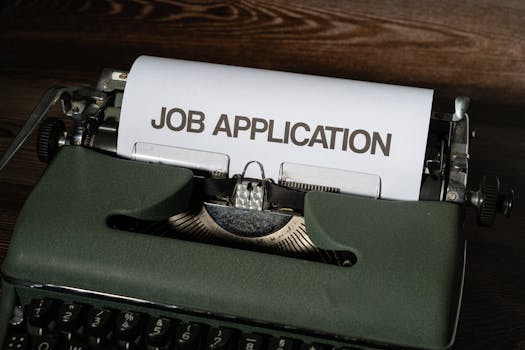
Communicating effectively can make all the difference in advancing your career, and crafting a professional email for job application is a skill worth mastering. An email for job application not only serves as a first impression but is also your opportunity to highlight your suitability for the role. In a competitive job market, understanding the intricacies of a well-crafted application email is crucial. This article will guide you on how to compose an email that catches potential employers’ attention and increases your chances of getting noticed.
Understanding the Email for Job Application
An email for job application serves to outline your interest in a position, introduce yourself to potential employers, and provide a concise summary of your qualifications. This is the initial step in your application process and oftentimes an employer’s first interaction with you. The email should be professionally structured and free from typos or grammatical errors.
Subject Line: Capturing Attention
Your subject line is critical as it determines whether your email will be opened. Be clear and concise, mentioning your name and the job title. For instance, “Application for Marketing Specialist Position – John Doe.” Keep it professional to ensure it doesn’t get lost or ignored in an employer’s inbox.
Email Body: Structuring Your Message
The body of your email should begin with a formal greeting. Address the recipient by name if possible to personalize the note. A good starting point can be: “Dear [Hiring Manager’s Name].” In the opening paragraph, state your purpose: mention the job title you’re applying for and how you learned about the position.
Next, provide a brief overview of your professional background, crucial skills, and relevant experience. Tailor this section to highlight how your qualifications align with the job requirements. It is important to engage the reader without overwhelming them with unnecessary details. Emphasize any achievements or unique skills that set you apart from other candidates.
In the closing paragraph, thank the employer for considering your application and express enthusiasm about the opportunity to discuss your application further. Conclude with a strong closing statement, such as “I look forward to the possibility of discussing this exciting opportunity with you. Thank you for your time and consideration.” End with a professional sign-off, like “Sincerely,” followed by your full name and contact information.
Attachments: Presenting Your Résumé and Cover Letter
Always attach your résumé and cover letter in PDF format unless specified otherwise. Ensure that your documents are named appropriately, for example, “John_Doe_Resume.pdf” or “John_Doe_Cover_Letter.pdf.” This not only looks professional but also makes it easy for the employer to locate specific files.
Common Mistakes to Avoid
Even with a strong email for job applications, certain oversights can negatively impact your chances. Here are a few mistakes to avoid:
Using Informal Language
An informal tone can make you appear unprofessional. Stick to formal language and avoid using slang or emojis. Your email should reflect the seriousness of the job application process.
Forgetting to Proofread
Errors in your application email can be a deal-breaker. Take the time to proofread for grammatical errors, typos, and proper formatting. Reading your email aloud can often help catch mistakes.
Failing to Customize the Email
A generic email that isn’t customized to the specific job or company shows a lack of effort. Tailor your message to the role and demonstrate your knowledge about the company’s mission or recent achievements. This shows that you’ve done your homework and are genuinely interested in the employer.
Not Following Up
Following up can be crucial in standing out from other candidates. If you haven’t heard back after a week or two, a polite follow-up email can reaffirm your interest in the position and let the employer know you are proactive in your approach.
Enhancing Your Application with Additional Resources
For those who may have employment gaps or unique circumstances, composing an explanatory note alongside your application can be beneficial. Check out our other resources on writing an employment gap explanation letter for more guidance.
Furthermore, enhancing your job application email with added information about continuous learning can bolster your credentials. Learning about different career paths through resources like Wikipedia’s comprehensive guide on education can provide valuable context to showcase your commitment to professional development.
Conclusion
Crafting a compelling email for job application can significantly impact your job search outcomes. By fine-tuning your subject lines, customizing your email body, and avoiding common mistakes, you leverage your chances of making a favorable first impression. By utilizing these strategies, you can create polished emails that make your applications stand out in the eyes of potential employers.
- Start with a clear, professional subject line.
- Personalize your greeting and tailor the content to each job.
- Highlight the key skills and experiences that align with the job requirements.
- Ensure that your attachments are properly named and formatted.
- Proofread your email to maintain a professional appearance.
What should I include in an email for job application?
Include a professional greeting, a reference to the job you are applying for, a brief summary of your qualifications, and a thank you note, accompanied by your attachments.
How important is the subject line in an application email?
The subject line is crucial as it encourages the recipient to open your email. A clear and professional subject line should include your name and the job title.
Can I use a template for my application email?
While templates can be helpful, it is important to customize each email according to the specific job and company you are applying to, to show genuine interest and effort.
Should I follow up after sending a job application email?
Yes, if you have not heard back within a couple of weeks, a polite follow-up email can reiterate your interest and remind the employer of your application.
Why is proofreading significant in my job application?
Proofreading is essential to maintain professionalism by avoiding grammar mistakes and typos, which could otherwise distract from your qualifications and suitability for the role.