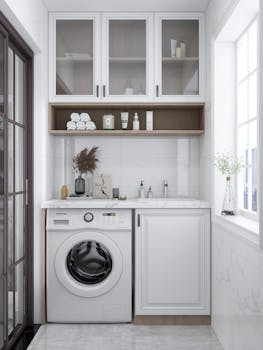
In the world of design, few fields are as dynamic and innovative as commercial and hospitality interior design. This specialized art form combines functionality with aesthetics to create welcoming and efficient spaces that elevate the user experience. As businesses and hotels strive to stand out, the role of interior designers becomes crucial in transforming ordinary spaces into extraordinary environments.
The Role of Commercial and Hospitality Interior Design
Commercial and hospitality interior design focus on creating spaces that not only reflect a brand’s identity but also accommodate its needs. From hotels and restaurants to offices and retail stores, the design process involves strategic planning and creative execution to make spaces functional, comfortable, and visually appealing.
Designers often collaborate with architects and business owners to develop a cohesive plan that aligns with the end goals. Whether designing a luxurious hotel lobby or an efficient office space, the emphasis is on crafting an environment that enhances user experience and supports the business’s objectives.
Design Elements and Principles
The principles of design such as balance, contrast, rhythm, and emphasis play a crucial role in shaping commercial and hospitality interiors. A well-balanced design creates a pleasing aesthetic while allowing ease of movement and functionality.
The choice of materials, colors, and lighting significantly impacts the ambiance of the space. Implementing sustainable and eco-friendly materials has become a growing trend, aligning with the global push for environmentally conscious practices. Textures and patterns are used creatively to add depth and interest, transforming spaces into unique, memorable environments.
Trends in Commercial and Hospitality Design
As with any creative field, commercial and hospitality interior design is subject to trends that reflect cultural shifts and technological advancements. Key trends influencing current designs include biophilic design elements, smart technology integration, and flexible workspaces.
Biophilic design incorporates natural elements like plants and natural light to improve occupants’ well-being. Smart technology, including automated lighting and climate control systems, enhances functionality and reduces energy consumption. Flexible workspaces adapt to the changing needs of businesses, promoting productivity and collaboration.
Case Studies and Success Stories
Examining successful design projects provides valuable insights into effective design strategies. Consider the transformation of a traditional office into an open-concept workspace that fosters innovation and communication. Or the renovation of a hotel lobby into a vibrant social hub that appeals to both guests and locals.
These examples highlight the impact thoughtful design can have on user experience and business success. For aspiring designers interested in exploring these creative fields, understanding these success stories is essential.
Exploring educational opportunities abroad can provide invaluable perspectives in this field, offering fresh inspiration and skills to enhance your design toolkit.
Challenges and Considerations in Interior Design
Designing commercial and hospitality spaces comes with its set of challenges. Budget constraints, strict timelines, and client expectations must be carefully managed to deliver successful projects. Additionally, designers need to stay abreast of building codes, regulations, and accessibility standards, ensuring their designs are both legal and inclusive.
Incorporating eco-friendly practices while maintaining aesthetic appeal can also be challenging, but it is increasingly important as businesses strive to reduce their environmental footprint. Ultimately, successful designers balance creativity with practicality, leading to innovative solutions and satisfied clients.
The Future of Commercial and Hospitality Interior Design
As the world changes, so will the requirements and expectations of commercial and hospitality interior design. Future trends are likely to focus on even greater integration of technology, personalized spaces, and environmentally sustainable practices.
Designers will need to embrace digital tools and data-driven design decisions more than ever. Personalization will be key, with spaces tailored to individual preferences and experiences. Sustainability will continue to be a crucial consideration, driving the choice of materials and design processes.
For further reading on the impact of technology and sustainability in the field, visit the Wikipedia page on sustainable design for more detailed information.
- Commercial and hospitality interior design emphasizes creating functional, aesthetically pleasing spaces.
- Successful designs require collaboration, creativity, and an understanding of current trends.
- Future design trends will integrate technology and sustainability more deeply.
- Challenges in this field include managing budgets, timelines, and regulatory standards.
- Aspiring designers can benefit from international educational experiences.
What is commercial and hospitality interior design?
It is the art of designing spaces such as hotels, restaurants, and offices to be functional, welcoming, and aligned with a brand’s identity.
What are the key principles of successful interior design?
The key principles include balance, contrast, rhythm, and emphasis, which help create aesthetically pleasing and functional environments.
What trends are currently influencing commercial and hospitality design?
Trends include biophilic design, smart technology integration, and flexible workspaces to enhance user experience and efficiency.
What challenges do interior designers face?
Interior designers often navigate budget constraints, client expectations, and regulatory compliance, while balancing creativity with practicality.
How is technology impacting the field of interior design?
Technology is enabling more personalized and efficient design solutions, with smart systems and data-driven decisions playing key roles in modern projects.