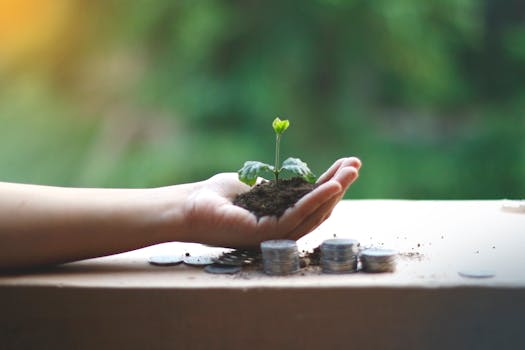
The concept of being a “work in progress or process” applies to everyone, whether you’re pursuing personal development, advancing in your career, or seeking new educational opportunities. It’s about embracing the ongoing journey rather than focusing solely on the destination. This mindset not only supports continuous growth but also helps build resilience and adaptability in life’s various arenas.
Understanding the Work in Progress or Process
Being a work in progress or process involves recognizing that growth is a lifelong pursuit. Whether in personal life or professional endeavors, it’s crucial to identify and celebrate incremental achievements while paving the way for future success. Embracing this philosophy creates room for exploration and learning from both triumphs and setbacks.
One way to implement this mindset is by setting achievable goals and celebrating small victories. This approach helps maintain motivation and a sense of purpose, driving individuals to push beyond their current limitations.
Balancing Career Goals with Personal Development
In today’s fast-paced world, balancing career ambitions and personal growth can seem daunting. However, viewing oneself as a work in progress or process allows for greater flexibility. It encourages individuals to pursue opportunities such as Google’s Return to Work Program for Moms, which offers support for those resuming their careers after a break.
These initiatives help cultivate an environment where employees can expand their skills while contributing meaningfully to their organizations. The programs emphasize the importance of nurturing one’s potential alongside professional duties.
Integrating Learning into Daily Life
Continuous learning is key to becoming a successful work in progress or process. By integrating learning into daily activities, individuals can enhance both personal and professional growth. Whether it’s through enrolling in online courses, attending workshops, or seeking mentorship, the quest for knowledge fuels progress.
Incorporate new technologies or methods into your routines, aiming to keep pace with industry trends. Engaging in lifelong learning can be particularly beneficial for adapting to the ever-evolving demands of the job market.
Navigating Life’s Challenges
Life inevitably presents challenges and navigating them is part of the journey. Being a work in progress or process involves leveraging setbacks as learning opportunities. Reflecting on experiences and adapting strategies can provide valuable insights that drive further development.
For instance, learning from failure to build resilience equips individuals with the strength needed to tackle future hurdles. Understanding that missteps are part of the learning curve can help maintain focus on long-term objectives while enhancing problem-solving skills.
The Role of Mindfulness and Reflection
Mindfulness and reflection play pivotal roles in cultivating a work in progress or process mindset. Regular self-assessment promotes self-awareness, identifying areas requiring further development. By engaging in reflection, individuals can recognize patterns, set new goals, and foster continuous improvement.
Journaling, mindful meditation, or periodic self-check-ins are effective methods for evaluating progress and recalibrating objectives as necessary. Incorporating these practices can be particularly beneficial for maintaining mental clarity and well-being.
Encouraging Positive Relationships
Nurturing positive relationships is vital when viewing oneself as a work in progress or process. Surrounding yourself with supportive networks can provide encouragement, feedback, and diverse perspectives. Collaboration and open communication foster environments conducive to growth and learning.
Building meaningful connections not only enhances personal satisfaction but also expands professional networks, opening doors to new opportunities.
Conclusion
Embracing the journey as a work in progress or process enables individuals to thrive in their personal and professional lives. By fostering a mindset of continuous growth, setting realistic goals, integrating learning, and nurturing relationships, one can navigate life’s complexities effectively. As you embark on or continue your journey, remember that progress is always within reach.
For more information on how education facilitates personal development, visit this comprehensive article.
- Being a work in progress or process is a lifelong journey.
- Balancing career ambitions with personal growth is achievable with the right mindset.
- Integrating continuous learning catalyzes personal and professional development.
- Mindfulness and reflection are crucial for ongoing progress.
- Positive relationships enhance growth and learning opportunities.
What is the ‘work in progress or process’ concept?
The ‘work in progress or process’ concept centers on the idea that growth is an ongoing journey. It emphasizes continuous improvement and learning from experiences throughout one’s personal and professional life.
How can I balance career growth with personal development?
Balancing career growth with personal development can be achieved by setting achievable goals, seeking opportunities for professional learning, and integrating personal growth activities into daily routines.
How does continuous learning contribute to personal growth?
Continuous learning promotes adaptability and allows individuals to keep pace with changes in their field. It supports skill expansion, thereby enabling personal growth and the ability to seize new opportunities.
Why are positive relationships important in being a work in progress?
Positive relationships provide support, constructive feedback, and diverse perspectives. They foster collaboration and communication, which are essential for personal and professional growth.
What role does mindfulness play in personal development?
Mindfulness and reflection are crucial for recognizing personal progress, setting goals, and recalibrating strategies. They promote mental clarity and enhance self-awareness, contributing to overall personal development.