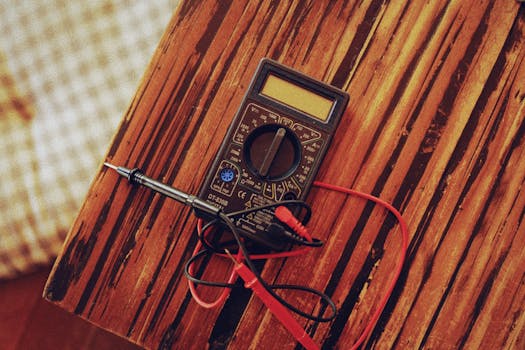
If you’re keen to learn how to measure DC voltage with a multimeter, mastering this skill is essential for both hobbyists and professionals working in electronics. A multimeter is a versatile tool that can measure voltage, current, and resistance, and with the correct technique, it can help you make accurate readings and ensure your projects are successful.
How to Measure DC Voltage with a Multimeter
To effectively measure DC voltage, you’ll want to follow these straightforward steps:
- First, ensure that your multimeter is set to measure voltage. Turn the dial to the V setting with a straight line above it, which signifies DC voltage.
- Next, connect the test leads. Insert the black lead into the COM port, and the red lead into the port labeled VΩma or similar.
- Now, touch the black lead to the negative side of the circuit and the red lead to the positive side.
- Read the voltage on the display. Make sure your measurement range is suitable for the voltage you expect to measure.
By accurately measuring DC voltage with a multimeter, you can diagnose issues in electrical components and circuits, providing a valuable skill in various technical fields.
Understanding Your Multimeter
To become proficient at using your multimeter, it’s crucial to understand its functions. Common features include measuring AC/DC voltage, current, and resistance. Some multimeters may also have additional capabilities, such as testing diodes and continuity.
Steps for Accurate Measurements
Accuracy in multimeter readings is vital. Follow these tips to ensure reliable measurements:
- Always start with the highest range setting, then work your way down to get a precise reading.
- Check the multimeter’s battery and leads frequently, as faulty components can lead to incorrect readings.
- Calibrate your multimeter periodically to maintain its accuracy.
Safety First
Safety cannot be overstated when using multimeters. Be mindful of the following:
- Ensure the multimeter can handle the voltage level you’re measuring.
- Use insulated gloves when necessary, especially when working with high voltages.
- Keep your fingers behind the plastic guards on the probes.
For more information on getting started with programs that integrate such technical skills, consider exploring opportunities like Google’s return to work program for moms, available here.
Applications of DC Voltage Measurement
Knowing how to measure DC voltage with a multimeter opens up numerous applications. Whether you’re working on automotive electronics, experimenting with DIY projects, or pursuing a career in electrical engineering, proficiency with a multimeter is fundamental.
For further reading, reference official guidelines on electrical measurements through reliable sources such as educational articles on Wikipedia.
Conclusion
In conclusion, learning how to measure DC voltage with a multimeter is a valuable skill that offers utility across several domains. By following the outlined steps, understanding your multimeter, and adhering to safety protocols, you can confidently and effectively make voltage measurements. As you refine your technique, your ability to troubleshoot and solve electrical issues will be greatly enhanced.
Whether for personal development or professional expertise, mastering this skill is critical. Explore further educational paths and resources to broaden your knowledge and capabilities in electronics.
- A multimeter is an essential tool for measuring DC voltage.
- Correct usage involves setting it to DC voltage mode and connecting leads appropriately.
- Accurate measurements rely on correct range settings and regular calibration.
- Safety precautions are critical to prevent harm and ensure proper measurements.
- Practicing these techniques will bolster your technical proficiency in electronics.
FAQs
What is DC voltage measurement used for?
DC voltage measurement is used to find the electrical potential difference in direct current circuits, which is vital in diagnosing and troubleshooting electronic devices and systems.
Why does my multimeter display a negative reading?
A negative reading indicates that the probes are connected in reverse. Swap the black and red lead connections to correct this.
Can I use any multimeter for DC voltage measurements?
Most multimeters can measure DC voltage, but ensure yours is capable of handling the anticipated voltage level required for your task.
How often should I calibrate my multimeter?
It’s recommended to calibrate your multimeter annually, or more frequently if used in critical measurements or harsh environments.
What safety measures should be taken when measuring high DC voltages?
When measuring high DC voltages, prioritize using insulated gloves, ensure your multimeter is rated for the voltage, and always keep your fingers behind the probes’ plastic guards.