
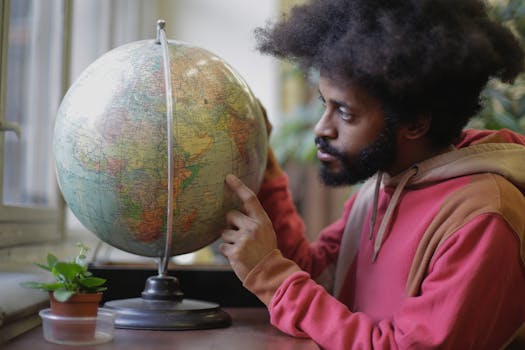
In today’s rapidly changing world, finding a career path that aligns with both your interests and the evolving job market is vital. Occupations in geography offer a wide range of opportunities, allowing individuals to delve into various aspects of Earth, including its physical makeup, human cultures, and the complex interactions between them. Whether you are drawn to environmental aspects, data analysis, or urban planning, there is a geographic career that might be perfect for you.
Career Opportunities in Occupations in Geography
Geography is a diverse field that encompasses multiple disciplines, each offering unique career opportunities. Let’s explore some of the most prominent occupations in geography:
Environmental Consultant
Environmental consultants use their expertise to assess environmental impacts and help companies adhere to regulations. They often work on projects related to pollution control, sustainability, and the conservation of resources.
GIS Specialist
Geographic Information System (GIS) specialists use technology to collect, analyze, and interpret data about the Earth’s surface. This role is crucial for urban planning, disaster management, and resource allocation.
If you’re interested in GIS technology and its applications, consider expanding your knowledge with this free online certification.
Urban Planner
Urban planners work with local governments to create plans for land use and revitalization projects. They address zoning issues, transportation, and public utilities, ensuring that cities are sustainable and economically viable.
Cartographer
Cartographers are specialists in map-making and spatial designs. They use a combination of art and science to develop visual representations of geographic areas, supporting various sectors such as tourism, construction, and transportation.
Climatologist
Climatologists study weather patterns and climate change over time. Their research aids understanding global warming, helping policymakers make informed decisions about environmental policies and sustainable practices.
The Importance of Occupations in Geography
Geography skills are becoming increasingly vital as we face global challenges like climate change, urbanization, and sustainable development. Professionals in this field provide crucial insights and solutions to these pressing issues.
Linking Geography and Technology
In recent years, technology has transformed many occupations in geography. With the increasing use of drones, satellite imagery, and advanced software, geographers can collect and analyze data more accurately and efficiently than ever before.
Educational Pathways
Pursuing a career in geography typically involves a degree in geography or a related field. Specialized courses in GIS, environmental science, and urban planning enhance career prospects. Practical experience through internships can also provide valuable skills.
For a broader understanding of educational frameworks and opportunities, you can explore this informative article on education.
Future Trends in Occupations in Geography
The future of occupations in geography is promising, with technological advancements opening new doors for exploration and innovation. Here are some trends to watch:
Increased Demand for GIS
As more industries recognize the value of spatial data, the demand for GIS specialists is expected to rise. Expertise in GIS applications is becoming crucial across sectors such as agriculture, health, and logistics.
Focus on Sustainability
With sustainability becoming a global priority, geographers specializing in environmental management and green infrastructure will be essential in shaping future policies and practices.
Remote Sensing and Satellite Imagery
The use of remote sensing technology and satellite data continues to expand, offering new ways to monitor and analyze Earth’s changes. This specialization is vital for environmental monitoring, disaster response, and urban planning.
By understanding these trends, aspiring geographers can better position themselves for successful and impactful careers.
- Occupations in geography provide diverse career paths rooted in environmental science, urban planning, and technology.
- Geography skills are essential for addressing global challenges like climate change and urbanization.
- Technology plays a significant role in modern geography, enhancing data collection and analysis capabilities.
- Educational qualifications in geography often lead to rewarding and high-demand positions.
- Emerging trends include increased demand for GIS expertise and a focus on sustainability.
FAQ
What educational background is necessary for a career in geography?
Most careers in geography require at least a bachelor’s degree in geography or a related field. Specializations in GIS or urban planning may require additional certifications or advanced degrees.
How important is technology in modern geography professions?
Technology is crucial in modern geography, with many roles relying on GIS, remote sensing, and data analysis to inform decision-making and policy development.
What are the job prospects for geography graduates?
Job prospects for geography graduates are strong, with growing demand in environmental consulting, urban planning, and GIS-related fields as global challenges increase.
Can geography careers contribute to sustainability efforts?
Yes, careers in geography can significantly contribute to sustainability efforts by providing insights into land use, resource management, and ecological preservation.
Where can I find more information on starting a career in geography?
Local universities, online courses, and professional organizations can provide valuable resources and networking opportunities for those interested in pursuing a geography career.
Occupations in geography offer a wide array of opportunities to make a significant impact on the world. By understanding the options available and the skills required, you can embark on a rewarding career that aligns with your interests and global needs.

