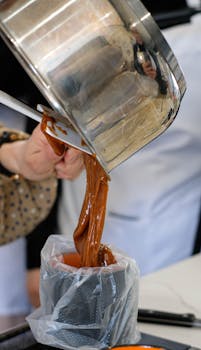
Throughout history, the question of “is cooking an art” has intrigued culinary enthusiasts and scholars alike. Cooking certainly employs creativity and experimentation akin to the conventional arts such as painting and music. Chefs around the world use their skills not only to nourish but to also entertain and evoke emotion through beautifully crafted dishes. But can cooking truly be classified alongside other forms of art? Let’s explore this notion deeply to uncover the layers of creativity involved in culinary arts.
Is Cooking an Art: An Exploration into Culinary Creativity
Cooking, much like traditional art forms, sparks different responses and emotions in people. When considering the creativity involved, it’s easy to draw parallels to painting, sculpting, or composing music. Chefs use their knowledge of ingredients to blend flavors in innovative ways, creating edible masterpieces that are visually appealing and tastefully satisfying. In many ways, the kitchen serves as an artist’s studio, where chefs work tirelessly to improve and innovate.
The Intersection of Technique and Expression
At the heart of culinary arts is the balance between technical skill and personal expression. Much like the precision required in playing an instrument, cooking demands a solid grasp of technique. Chefs must understand the science of heat application, the chemistry of ingredient interactions, and the physics of emulsions. However, it’s the freedom of expression allowed within these rules that elevates cooking to an art form.
Renowned chefs around the world are celebrated for their unique style or genre, sometimes dubbed as “cuisine signatures.” These signature techniques speak to the personal narratives and cultural backgrounds of the chefs, allowing those who consume their creations to have a glimpse into the artist’s vision and emotion.
The Presentation: Where Art Meets the Plate
Another critical aspect of considering cooking as an art is the visual presentation. Just as paint and canvas are to a painter, so are ingredients and plating to a chef. Presentation is an art in itself – one that requires an appreciation of color, texture, and form. Dishes that are skillfully plated and visually appealing don’t just attract taste buds; they elicit an emotional response, stimulating a sense of admiration and anticipation before even the first bite is taken.
Some might argue that plating deviates from the essential purpose of cooking – to feed. However, presentation can significantly enhance the dining experience, much like a beautifully framed painting brings out the detail and nuance of the artwork within.
Understanding the Audience
Like all artists, chefs must consider their audience. The process of creating a dish involves understanding who will be tasting it. Chefs tailor their creations to suit the palates of their audience, blending familiarity with innovation. This careful consideration requires not just technical prowess but also empathy and insight, key components of artistic endeavors.
Educational opportunities abound for those seeking to explore the culinary arts. Aspiring chefs might want to consider scholarships and programs tailored for art students, which support both the technical and creative sides of cooking.
Is Cooking an Art Form?
Arguments that support cooking as an art often focus on the skill, creativity, and emotional resonance that go into making a dish. Culinary arts push the boundaries of what food can be, turning meals into experiences. Innovative chefs reimagine traditional recipes, defying expectations and encouraging audiences to rethink the commonplace.
For more comprehensive insights on education and culinary arts, you may explore the vast resources available on external educational platforms, such as Wikipedia’s education page.
So, is cooking an art? Given its reliance on creativity, personal expression, and its power to evoke emotions, it undoubtedly parallels the characteristics of other art forms. Whether striving for technical perfection or experimenting with new flavor profiles, cooking undeniably embodies the spirit of creativity and innovation.
- Cooking and art both stem from creativity and expression.
- A successful dish combines technical skills with personal emotion.
- Presentation plays a crucial role in the culinary experience.
- Culinary arts cater to the emotional experiences of their audience.
- Cooking challenges preconceived notions about both art and food.
FAQs
What makes cooking an art?
Cooking becomes an art when chefs exercise creativity and innovation in their culinary pursuits. The combination of visual presentation, flavor balance, and emotional resonance contributes to its artistic nature.
How does plating affect the perception of food?
Plating affects the perception of food by enhancing its aesthetic appeal, influencing the diner’s expectations, and contributing to the overall dining experience.
Can anyone learn to cook artistically?
Yes, with practice, education, and experimentation, anyone can learn to cook artistically. Programs and scholarships can support individuals in honing their culinary skills and fostering creativity.
Is technical skill important in cooking?
Technical skill is essential in cooking, as it provides the foundation upon which creativity and artistic expression are built. Understanding techniques allows chefs to accurately execute their artistic visions.
Why is culinary education important for aspiring chefs?
Culinary education is important because it equips aspiring chefs with essential skills, knowledge, and exposure to techniques necessary for artistic and innovative cooking. Additionally, it offers opportunities to network and learn from experienced professionals.