
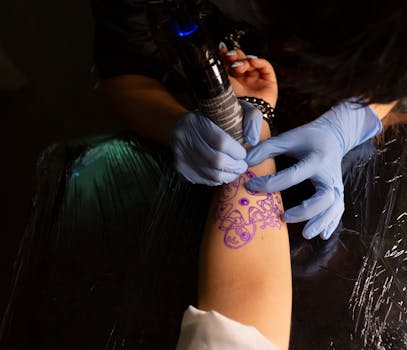
The artistry of tattoos has captured human fascination for centuries, transforming the skin into a canvas of self-expression and culture. This brings us to the pivotal question: what does the role of a tattoo artist entail? This tattoo artist job description will shed light on the intricacies of the profession, illustrating how these creative professionals navigate the vibrant world of body art while maintaining artistic integrity and client satisfaction.
Tattoo Artist Job Description: Skills and Responsibilities
The role of a tattoo artist goes far beyond merely inking designs on the skin. A successful tattoo artist must possess a combination of artistic talent, technical skill, and interpersonal abilities. Fundamental requirements include a deep understanding of design principles, precision in execution, and knowledge of various tattoo styles and techniques.
Key Responsibilities
- Consulting with clients to understand their design visions and offer expert advice.
- Creating custom designs or adapting existing artwork to suit individual client needs.
- Maintaining strict hygiene standards, including sterilizing equipment.
- Executing tattoos with precision and attention to detail.
- Aftercare advice and follow-up with clients to ensure satisfaction.
Essential Skills
Artistic proficiency is crucial in this vocation, as is an understanding of color composition and anatomy. Technical skills are also paramount, from steady hand coordination to the adept use of tattoo machines. Additionally, strong communication skills help build rapport with clients, ensuring they feel at ease throughout the process.
Training and Career Path in Tattoo Artistry
Becoming a tattoo artist requires more than just a passion for art. Traditionally, aspiring tattooists undergo apprenticeships under experienced professionals, which can last from one to three years. During this period, they hone their craft, learn about equipment care, and develop a portfolio. Entry into an apprenticeship can often require previous art training, for which one might consider scholarships for art education.
Licensing and Certification
Once the apprenticeship is completed, prospective tattoo artists need to adhere to local licensing requirements, which vary by region. In many places, this involves an examination of health knowledge and technical skill assessments. Some jurisdictions may require continued education to keep licenses current, emphasizing the importance of ongoing professional development.
Challenges and Rewards of the Tattoo Artist Profession
The life of a tattoo artist is characterized by unique challenges and rewards. On the one hand, managing health and safety regulations and maintaining a strong client base can be demanding. On the other hand, tattoo artists find joy and satisfaction in bringing clients’ visions to life and the appreciation of their art’s uniqueness and permanence.
Creative Fulfillment
Many tattoo artists thrive on the creative freedom their job affords. The constant evolution of tattoo trends allows artists to keep expanding their skillset. The artistry and craftsmanship involved in tattooing adds to the intrinsic satisfaction derived from transforming ideas into tangible art on live canvases.
For a more in-depth understanding of tattoo education and licensing, you might explore resources such as this informative article on education.
Conclusion
The dynamic world of tattoo artistry offers a fulfilling career path for those dedicated to the craft and eager to transform skin into endless expressions of identity and art. A comprehensive tattoo artist job description emphasizes the blend of creativity, discipline, and empathy required to thrive in this field.
- A tattoo artist must balance artistic talent with technical precision.
- Hygiene and safety are vital components of the profession.
- The career path typically begins with an apprenticeship.
- Creativity and client interaction are central to the job.
- Licensing requirements vary by region.
What qualifications do you need to become a tattoo artist?
While formal education isn’t required, many tattoo artists start with a strong background in art, often gained through courses or degrees. Apprenticeships under experienced tattooists are crucial for hands-on experience.
How long is a tattoo apprenticeship?
Most apprenticeships last between one to three years. This period allows aspiring tattoo artists to develop various artistic and technical skills under professional guidance.
Are tattoo artists required to have a license?
Yes, in many regions, tattoo artists must obtain a license that ensures they have met specific health, safety, and skill standards. Requirements may include passing exams and demonstrating competence in sterilization practices.
What styles of tattoos can artists specialize in?
Tattoo artists can specialize in numerous styles, including traditional, realism, neo-traditional, watercolor, tribal, and new school, among others. Specialization often comes with time and experience as artists find their unique niche.
What are the main challenges for new tattoo artists?
New tattooists often face challenges such as building a client base, establishing a unique artistic style, and staying updated with industry standards and trends. Networking and continuous learning are essential for overcoming these hurdles.

