
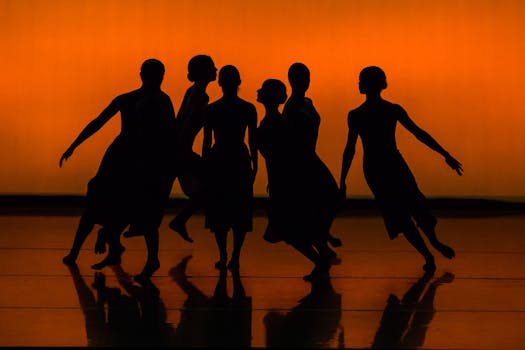
Dancing professionally is both an art and a discipline that requires dedication and passion. If you’ve ever dreamed about how to become a professional dancer, you’re not alone. Many aspiring dancers wonder how they can take their love for movement and turn it into a lifelong career. This guide will walk you through the steps, from training to developing a career, ensuring you’re well-prepared for the journey ahead.
How to Become a Professional Dancer
Becoming a professional dancer involves a combination of talent, hard work, and perseverance. While talent sets the foundation, structured training and practice help hone skills that lead to a successful career.
Start with the Right Training
Choose a style of dance that resonates with you, whether it’s ballet, modern, hip-hop, or contemporary. Attending a reputable dance school or college can provide you with a strong technical foundation. Some of the best art schools in Europe offer exceptional dance programs that can provide exposure and educational excellence. You can learn more about them through this comprehensive guide to art schools in Europe.
Consistency and Practice
Consistent practice is crucial in dance. Dedicate several hours daily to practice, focusing on technique, endurance, and performance. Join dance workshops and masterclasses, which are excellent avenues for learning and networking with established professionals.
Build a Strong Network
Networking plays a significant role in establishing a dance career. Participate in dance competitions, attend auditions, and collaborate with other dancers to enhance your visibility. Social media platforms also offer opportunities to showcase your talent and connect with industry professionals.
Understand the Industry
The dance industry is dynamic, with opportunities in performing, teaching, choreography, and more. Understanding the industry dynamics can help you carve out a niche for yourself. Staying informed about trends and shifts is crucial. For more detailed information on the role of dancers, refer to this comprehensive guide by the Bureau of Labor Statistics.
Auditions and Performance Opportunities
Participate in as many auditions as possible to gain exposure. Each audition, successful or not, is a chance to refine your skills and learn from the experience. Performing in local shows, festivals, and events can also provide valuable stage experience.
Stay Healthy
Dancing demands physical fitness, so maintaining your health is paramount. Balanced nutrition supports performance endurance, while regular physical conditioning prevents injuries. Consult with health professionals to tailor a fitness plan suitable for dancers.
Secure Professional Representation
Agents or managers can help you navigate the dance industry, negotiating contracts and scheduling auditions. They can provide career guidance and present opportunities you might not have access to as an individual.
Mental and Emotional Preparedness
A career in dance can be physically and mentally demanding. Keeping a positive mindset, and getting support from mentors and peers, is key to maintaining emotional health. Consider engaging with a professional coach or counselor for added support.
In conclusion, the journey to how to become a professional dancer is both challenging and rewarding. With dedication and strategic planning, achieving a successful dance career is within reach. Remember, every dancer’s path is unique, and flexibility in approach will be your strongest ally.
- Choose a dance style and pursue structured training.
- Practice consistently to refine your technique.
- Network extensively and leverage social media.
- Stay informed about the dance industry.
- Maintain physical and mental health for longevity.
What types of dance should I start with if I’m a beginner?
Beginners can start with foundational styles like ballet or contemporary, which offer a strong technical base applicable to various dance forms.
How can I find reputable dance schools?
Research online for schools with strong reputations, check accreditations, and speak to alumni to understand their training outcomes.
Is formal education necessary to become a professional dancer?
While not mandatory, formal education provides technical skills and networking opportunities. It can also be beneficial for career longevity and transition into roles like teaching or choreography.
How important is an agent in a dancer’s career?
An agent can significantly assist with career advancement by managing auditions, contracts, and negotiations, freeing dancers to focus on their craft.
How can I maintain my physical health as a dancer?
Balanced nutrition, regular exercise, and professional advice from health experts are essential for maintaining fitness and preventing injuries.

