
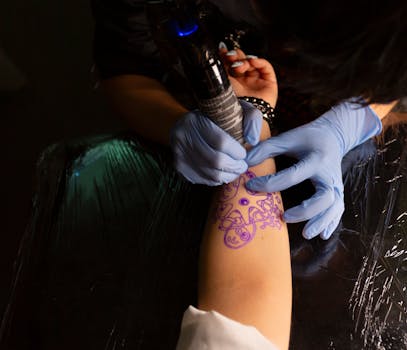
Are you passionate about tattoos and looking to make a career out of your artistic skills? Understanding how to become a licensed tattoo artist is the first step on your journey. This comprehensive guide will walk you through the essential steps needed to turn your passion into a profession.
How to Become a Licensed Tattoo Artist
Becoming a licensed tattoo artist involves not just mastering your art but also understanding the legal requirements and health standards. Read on to discover the necessary steps in this rewarding career path.
1. Develop Your Artistic Skills
Before applying for a tattoo license, it’s crucial to hone your drawing skills. A strong foundation in art will serve you well in this creative profession. Consider enrolling in art classes or pursuing a degree in fine arts. For those interested in financial assistance, check out the available scholarships for art students.
2. Gain Tattooing Experience
Experience is vital in the tattoo industry. Consider seeking an apprenticeship with a licensed tattoo artist. This hands-on experience is invaluable, offering insights into techniques, customer service, and running a tattoo studio.
3. Understand Health and Safety Regulations
Health and safety are paramount. You must follow health department regulations to protect both the artist and clients. This includes maintaining a sterile environment and using proper tattooing techniques. Becoming familiar with these requirements is an essential part of understanding how to become a licensed tattoo artist.
4. Acquire a Tattoo License
Once you’ve gained experience and learned the necessary regulations, the next step is applying for a tattoo license. Requirements vary by location, so it’s important to check with your local health department. Generally, you’ll need to pass an exam covering safety and sanitation standards.
5. Build Your Portfolio
A strong portfolio showcases your best work to potential clients and employers. Include a variety of styles to demonstrate your versatility. Your portfolio will serve as a visual resume and is pivotal in establishing your reputation in the industry.
6. Market Your Skills
Once licensed, promoting your skills is crucial. Utilize social media platforms to display your work, engage with the tattoo community, and attract clients. Networking with other artists and participating in conventions can also help grow your business.
7. Consider Further Education
Continued education can help you stay updated with the latest tattoo techniques and trends. Seminars and workshops offer an excellent opportunity to refine your skills and broaden your knowledge.
8. Explore Career Opportunities
With creativity and dedication, opportunities abound. Whether you own your own studio or work in a bustling city shop, the potential for growth is substantial. Always strive to expand your technical skills and artistic flair.
Embarking on the path to becoming a licensed tattoo artist requires dedication, passion, and a commitment to health standards. Understanding each step will help ensure success in this creative field. For more on related career paths, consider visiting the Wikipedia page on education.
- Develop artistic skills with formal education or self-study.
- Gain experience through apprenticeships and hands-on practice.
- Ensure compliance with local health and safety regulations.
- Build a diverse portfolio to showcase your work.
- Continuously market and refine your skills.
FAQ
How long does it take to become a licensed tattoo artist?
The timeline can vary. Most apprenticeships last 1-2 years, after which you can apply for a license if you meet local requirements.
Do I need a degree to become a tattoo artist?
While a degree is not mandatory, formal art education can enhance your skills and make you more competitive in the field.
What are the legal requirements to open a tattoo studio?
Legal requirements vary by region, but generally include obtaining health permits, following sanitation standards, and ensuring all artists have valid licenses.
Can I become a tattoo artist if I have no drawing skills?
Strong drawing skills are a critical component of tattoo artistry. It is advisable to improve your skills through practice and education.
Where can I find more information on becoming a tattoo artist?
Consult your local health department for regulations, and seek mentorship from experienced artists. Online resources and forums can also provide valuable insights.

