
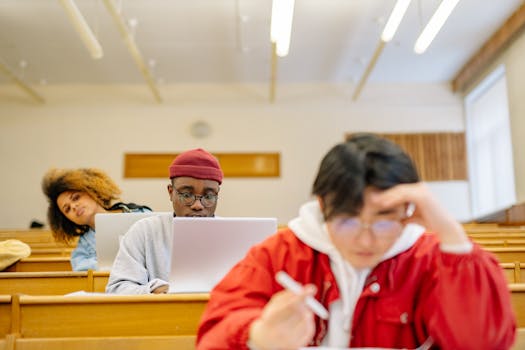
When students and parents consider higher education pathways, the question “what is college” often arises. College represents a pivotal step in anyone’s educational journey, providing a structured environment to gain specialized knowledge, develop professional skills, and foster personal growth. Understanding the purpose of college education involves exploring its numerous benefits beyond academics, including personal development, career readiness, and social opportunities.
What Is College?
College is an institution of higher learning that offers undergraduate and, often, graduate degrees in various fields of study. Unlike high school, college allows students to delve deeply into their chosen subjects while also gaining a broad general education. The primary aim is to equip students with the critical thinking skills necessary for their personal and professional lives.
In the United States, colleges can refer to both undergraduate institutions and divisions within a university that specialize in a particular academic area. Globally, the term may have different meanings, often signifying secondary school in some countries. However, the essence of attending college remains the same—to provide advanced education and training for a variety of career paths.
Benefits of Attending College
Choosing to attend college can yield numerous benefits that impact both personal and professional life. Here are some key advantages associated with pursuing a college education:
Career Opportunities and Higher Earning Potential
One of the most significant advantages of a college education is increased career opportunities. Many professions require at least a bachelor’s degree as an entry-level qualification. Additionally, college graduates generally earn higher salaries compared to those with only a high school diploma. This is supported by research from the easy scholarship options to support your education. These scholarships don’t require complex applications, making them an attractive option for busy students.
Conclusion: What Is College in Today’s World?
Ultimately, the purpose of college goes beyond academics and vocational training. It is a transformative period that equips individuals with the skills and experiences needed for a successful career and a fulfilling life. Understanding what is college means recognizing its potential to open doors to a world of opportunities and personal growth.
- College offers specialized knowledge and a broad general education.
- Graduates often have higher earning potential and career opportunities.
- Critical thinking and problem-solving skills are honed during college.
- Networking and personal development are key benefits of college life.
- Financial aid resources can ease the cost of college education.
FAQ
What is the difference between college and university?
In the U.S., colleges often focus on undergraduate education, while universities offer both undergraduate and graduate programs. Globally, the terms can vary in meaning.
Why is a college degree important?
A college degree can enhance career prospects, increase earning potential, and provide essential cognitive and social skills necessary for personal and professional success.
How can I afford college?
Savings, scholarships, grants, and student loans are common methods of financing college education. Research and apply for various financial aid options early in your college planning process.
What are some alternatives to traditional college education?
Alternatives include trade schools, online courses, apprenticeships, and vocational training programs, which can also lead to rewarding careers.
Where can I learn more about college education?
For more detailed information, you can visit educational resources such as Wikipedia’s education page for a broader understanding of educational systems worldwide.

