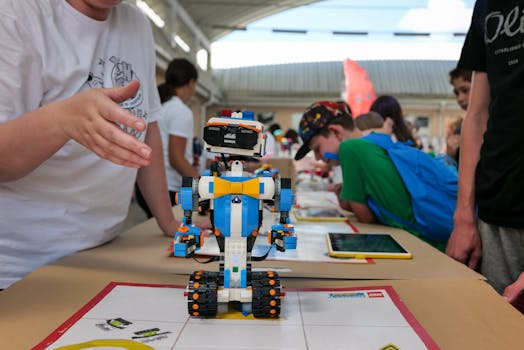
For students passionate about both creativity and problem-solving, engineering science fair projects offer a perfect avenue to explore various facets of science and technology. These projects are not merely about building models; they are a gateway to understanding complex systems, innovation, and application of engineering principles to real-world problems. By diving into these projects, students can develop critical thinking skills, learn how to apply theoretical knowledge practically, and potentially inspire a lifelong interest in engineering fields.
Why Choose Engineering Science Fair Projects?
Engineering science fair projects are an excellent platform for aspiring engineers to go beyond textbook learning. Through these projects, students can engage in hands-on activities that provide a deeper understanding of engineering concepts. This experience not only enhances problem-solving skills but also cultivates a sense of curiosity and innovation.
Moreover, engineering projects often involve interdisciplinary approaches that require knowledge from fields like physics, mathematics, and environmental science, making them unique in their ability to provide a well-rounded educational experience. This approach prepares students for the multidisciplinary nature of modern engineering careers.
Innovative Ideas for Engineering Science Fair Projects
Choosing the right project is essential to ignite a student’s enthusiasm and creativity. Below are some innovative ideas that can be developed into successful engineering science fair projects.
1. Sustainable Energy Solutions
With the increasing focus on sustainability, projects revolving around renewable energy sources such as solar, wind, or hydropower can be both impactful and educational. Students can create models that demonstrate energy conversion or even work on prototypes that harness renewable energy to power small devices.
2. Smart Home Technology
Smart homes are revolutionizing our living spaces. Projects could involve creating automated systems using sensors and microcontrollers to increase energy efficiency or enhance security. For example, a student might design a smart irrigation system that conserves water by detecting soil moisture levels.
3. Robotics and Automation
Robotics projects can range from building simple robots that perform basic tasks to designing complex systems with artificial intelligence capabilities. These projects can demonstrate various engineering principles, including mechanics, electronics, and programming.
4. Environmental Engineering
Projects that address environmental issues like water purification or waste management are crucial in today’s world. Students can design systems that utilize natural filtration methods or develop innovative ways to recycle materials effectively.
5. Biomedical Engineering
In this area, projects might focus on developing assistive devices or bioengineering solutions. This could involve designing prosthetics or creating models that demonstrate the principles of biomechanics.
For students who wish to delve into the complexities of the universe, there are various online courses in astrophysics and quantum science that complement engineering projects, providing a broader context for scientific exploration.
Steps to Create a Successful Science Fair Project
Creating a successful engineering project involves several steps:
1. Define the Problem
Every engineering project starts with identifying a real-world problem that needs solving. This step is crucial as it guides the direction of the project.
2. Research and Plan
Conduct thorough research on existing solutions and technologies. This will help inform your approach and provide insights into potential challenges.
3. Design and Build
Work on designing a prototype or model. Use computer-aided design software if necessary to visualize the project before building.
4. Test and Analyze
Test your project in controlled conditions to evaluate its functionality. Analyze the results and make adjustments as needed.
5. Present Your Findings
Prepare a comprehensive presentation that includes your project’s objectives, methodology, results, and potential implications. Practice your presentation to communicate effectively.
Resources for Engineering Science Fair Projects
There are numerous resources available for students interested in engineering. For credible information and guidelines, students can refer to educational websites, scholarly articles, and government resources. An example of an informative external resource is the Wikipedia page on STEM which provides a broad overview of the fields related to science, technology, engineering, and mathematics.
Conclusion: The Impact of Engineering Science Fair Projects
In conclusion, engaging in engineering science fair projects can be an incredibly rewarding experience that may lay the groundwork for a future career in engineering. As students explore these projects, they learn to apply scientific knowledge innovatively, tackle real-world challenges, and contribute to technological advancements. With the right guidance and resources, these projects can inspire students to become the innovators of tomorrow.
Takeaways
- Engineering science fair projects offer hands-on experience with real-world applications.
- They encourage interdisciplinary approaches and problem-solving skills.
- Innovative project ideas include sustainable energy, robotics, and biomedical engineering.
- Research, design, and testing are crucial steps in a successful project.
- Access to credible resources can enhance the quality of the project.
FAQs
What is the primary benefit of engineering science fair projects for students?
These projects help students apply theoretical knowledge practically, improving critical thinking and problem-solving skills while fostering an interest in engineering.
How do engineering science fair projects prepare students for the future?
Engineering projects require an interdisciplinary approach, equipping students with the skills needed for modern, multifaceted careers in engineering and technology.
What are some innovative project ideas for engineering science fairs?
Ideas include developing sustainable energy solutions, creating smart home technologies, exploring robotics and automation, addressing environmental challenges, and designing biomedical devices.
How important is research in developing a successful project?
Research is vital as it informs the project approach, helps identify existing solutions, and guides the design and development of innovative prototypes or models.
Where can students find resources and guidance for their projects?
Students can refer to educational websites, scholarly articles, and government websites for credible information and guidelines on engineering science fair projects.