
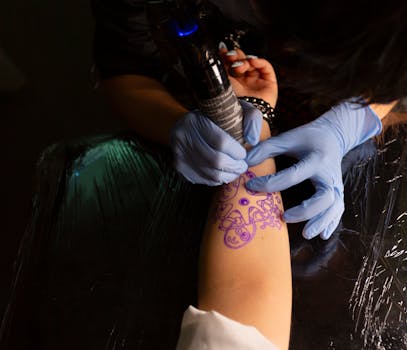
Many aspiring artists wonder: How long does it take to become a tattoo artist? The journey into this creative profession varies for each individual, but understanding the general timeline and requirements can help you plan your path more effectively. Aspiring tattoo artists need to develop both artistic skills and technical expertise, which can take anywhere from a few months to several years.
Becoming a tattoo artist is more than just picking up a tattoo gun and starting to ink. You need to hone artistic talents, learn the nuances of tattoo techniques, and understand the health and safety regulations governing this field. This article will guide you through the typical steps and factors influencing the timeline to becoming a tattoo artist.
How Long Does It Take to Become a Tattoo Artist?
The time it takes to become a tattoo artist is influenced by several factors, including individual dedication, available resources, and apprenticeship opportunities. On average, becoming proficient enough to work independently could take about two to five years. This includes formal learning, personal practice, and training under a professional tattoo artist.
Educational Requirements
While there are no formal educational requirements to become a tattoo artist, having a strong foundation in art can be beneficial. Many tattoo artists start with courses in art and design. A dedication to continuous learning is crucial, as tattooing requires a blend of creativity, technique, and knowledge of evolving trends and technologies.
For those pursuing higher education, scholarships for art students can be a valuable resource. If you’re considering this path, explore potential opportunities at art scholarship programs that could support your educational journey.
Apprenticeship: A Critical Step
One of the most critical steps to becoming a tattoo artist is completing an apprenticeship. This period allows you to learn directly from experienced professionals, gaining hands-on experience in tattooing techniques, client interactions, and equipment handling. Apprenticeships usually last from one to three years, depending on the program’s structure and personal progress.
Developing Skills and Building a Portfolio
Building a robust portfolio is key to showcasing your skills and style to potential clients and employers. A strong portfolio should include a diverse range of designs and techniques. Consistent practice, whether through sketches, digital art, or actual tattoos (under mentorship), helps refine your abilities.
Moreover, staying informed about sanitation and safety measures is essential. Tattoo artists need to adhere strictly to health regulations to ensure client safety—a topic covered extensively in many apprenticeship programs.
Certifications and Licensing
Once you’ve completed an apprenticeship, obtaining relevant certifications and licenses is the next step. These vary by location, with each state or country having its own regulations. Typically, requirements include passing exams on safety protocols and understanding local laws regarding tattoo practices.
The Role of Continuous Education
As trends and technologies evolve, continuing education helps tattoo artists stay competitive. Whether it’s new techniques, equipment, or styles, committing to lifelong learning is vital. Keeping up with industry developments ensures artists can offer the best service possible to their clients.
Conclusion
So, how long does it take to become a tattoo artist? While it can take a few years, the journey is deeply rewarding for those passionate about the craft. With dedication, the right education, quality mentorship, and continuous learning, you can create a successful career in this vibrant field. For more information on education, please refer to this informative page on Education.
- Becoming a tattoo artist typically takes between two to five years.
- Education in art enhances foundational skills.
- Apprenticeships are crucial for practical experience.
- Building a diverse portfolio is essential for success.
- Lifelong learning keeps tattoo artists innovative and competitive.
What are the main steps to becoming a tattoo artist?
The primary steps include developing artistic skills, completing an apprenticeship, building a portfolio, and obtaining necessary certifications and licenses.
Do I need formal education to become a tattoo artist?
While formal education is not mandatory, courses in art and design can provide a beneficial foundation for aspiring tattoo artists.
How important is an apprenticeship in this field?
An apprenticeship is crucial as it provides hands-on experience and training under a seasoned professional, covering techniques, safety, and client management.
Can I work independently immediately after my apprenticeship?
Once you’ve completed your apprenticeship and obtained proper licensing, you can start building your client base and potentially work independently.
What are the certification requirements for tattoo artists?
Certification requirements vary by location but generally include passing exams on health, safety, and legal regulations related to tattooing practices.

