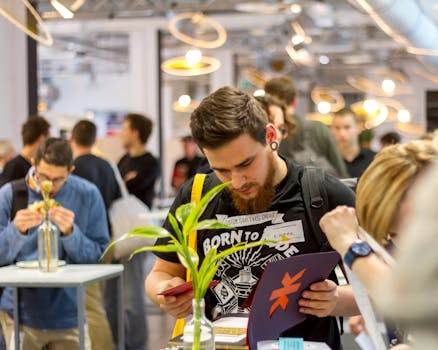
In today’s dynamic world, the intersection of game and art has become a vibrant realm for creative careers. This unique fusion not only empowers artists and designers but also redefines the boundaries of traditional roles in both the gaming and art industries. Professionals are now exploring exciting opportunities where creativity and technology seamlessly blend.
The Fusion of Game and Art
The concept of combining game and art isn’t entirely new, but its significance has surged in recent years. Modern video games have evolved beyond mere entertainment, becoming interactive art forms where storytelling, design, and aesthetics play a crucial role. This merging of disciplines has opened up new avenues for artists and developers to express themselves and create immersive experiences that captivate audiences worldwide.
One such example is the growing demand for concept artists and character designers who can bring vivid imaginations to life through digital platforms. These professionals use their artistic skills to shape visually stunning worlds and characters that enhance the narrative and player engagement within games. As the gaming industry continues to expand, the need for individuals with expertise in both game and art is likely to rise.
Exploring Career Opportunities
With the convergence of these fields, many career paths have emerged, offering endless possibilities for individuals passionate about game and art. Creative professionals can find roles in game design, digital illustration, animation, and 3D modeling, among others. Each of these fields requires a distinct set of skills but shares a common foundation in creativity and a passion for innovation.
Moreover, the rise of virtual reality (VR) and augmented reality (AR) technologies has further fueled demand for artists and designers who can create immersive environments and experiences. These technologies rely heavily on visually engaging content, providing yet another avenue for talented individuals to explore.
Education: Building a Foundation for Success
To pursue a career at the intersection of game and art, obtaining the right education is vital. Aspiring professionals can enroll in specialized programs that offer comprehensive training in areas like digital media, game design, and animation. These programs not only provide technical skills but also encourage creativity and critical thinking.
For those considering further education, studying abroad in Europe can be a great opportunity to attend some of the best art schools known for their innovative programs and cutting-edge resources. Such international experiences can enrich one’s understanding of diverse art forms and styles, fostering a global perspective essential for success in the industry.
The Importance of Networking and Collaboration
Networking plays a pivotal role in creative fields, especially at the crossroads of game and art. Artists and game developers are often encouraged to collaborate and share ideas, which can lead to remarkable projects and opportunities. Attending industry conferences, joining online communities, and participating in workshops are excellent ways to connect with like-minded professionals and stay informed about the latest trends and innovations.
Collaboration is particularly important in game development, where teamwork across various disciplines—art, programming, music, and writing—is essential to bring a project to fruition. By learning to communicate effectively and work in diverse teams, individuals can significantly enhance their career prospects and contribute to groundbreaking projects.
The Impact of Game and Art on Culture
The intersection of game and art also has a profound impact on culture and society, offering new ways of storytelling and expression. Video games have become a medium through which complex narratives and social themes can be explored, reaching audiences in an interactive and engaging manner.
This cultural influence is evident in the way games address serious topics such as mental health, environmental issues, and historical events, providing players with a unique platform to engage with these subjects. As the medium continues to evolve, the role of artists and creators in shaping the cultural conversation becomes ever more significant.
Future Trends in Game and Art
Looking ahead, the future of game and art promises to be an exciting journey marked by technological advancements and creative breakthroughs. Emerging fields like AI-driven art creation and procedural content generation are expected to offer novel opportunities for creative expression.
The integration of machine learning into artistic processes can potentially revolutionize game design, allowing for more personalized and adaptive experiences. Artists and developers will need to embrace these innovations while maintaining their unique creative voices.
Conclusion
The fusion of game and art not only enriches the gaming industry but also offers promising careers for creative individuals. As technology advances, new opportunities for expression and innovation will continue to emerge, shaping the future of these intertwined fields.
Whether through traditional roles or emerging technologies, the fusion of game and art is a testament to the power of creativity and collaboration. Aspiring artists and developers can look forward to a landscape full of possibilities, where their skills and visions contribute to the ever-evolving world of interactive art forms.
- The intersection of game and art enhances opportunities for creative careers.
- Education and skill development are crucial for success in these intertwined fields.
- Networking and collaboration can lead to groundbreaking projects and innovations.
- Games have a profound impact on culture, offering new storytelling methods.
- Technological advances continue to shape the future of game and art.
What skills are necessary for a career in game and art?
Key skills include creativity, digital literacy, proficiency in design software, and an understanding of narrative development. Technical skills in animation and 3D modeling can also be advantageous.
How can I pursue an education in game and art?
Consider enrolling in specialized programs in game design, digital media, or animation. These programs provide essential training and foster creativity in these fields.
What role does technology play in game and art?
Technology is pivotal, enabling the creation of interactive and immersive experiences. It allows artists to craft detailed digital environments and characters, enhancing the storytelling aspect of games.
How do game and art influence culture?
They offer new avenues for storytelling and social commentary, allowing creators to explore complex narratives and themes interactively, impacting societal perspectives.
Are certain locations better for pursuing a career in this field?
Yes, studying in regions with renowned art schools or vibrant game development communities can be beneficial. Europe, for instance, boasts several esteemed institutions for aspiring game and art professionals. For more insights, check out this resource on education.