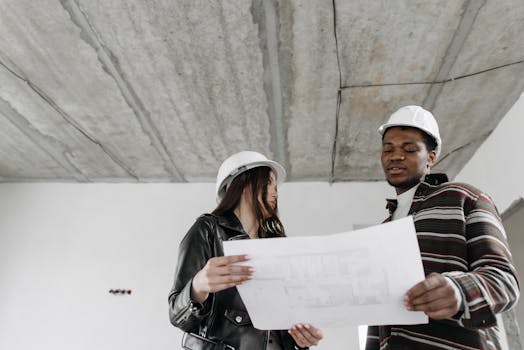
Architects often aim to blend functionality with aesthetics, which can be seen in the all-architect creative design ideas in art. These concepts strive to inspire and innovate within the realm of architectural design, encouraging architects to look beyond traditional boundaries. In this article, we’ll explore how creativity intertwines with architecture, presenting new perspectives and techniques that architects can incorporate into their work.
Exploring All-Architect Creative Design Ideas in Art
Integrating art into architectural design is about more than just visual appeal; it’s about creating spaces that evoke emotion and reflection. Architects can draw inspiration from various art forms, including sculpture, painting, and digital art, to enhance their architectural designs.
Sculpture and Form
One way architects can innovate is by using sculptural elements to add dimension and texture to their designs. Sculpture brings a tangible, three-dimensional element that can transform spaces with dynamic shapes and shadows. Considering the surrounding environment and materials can lead to stunning results that capture the essence of a location.
Painting and Color Theory
Color plays a crucial role in the perception of space. By integrating principles from painting and color theory, architects can create atmospheres that influence emotions and behaviors. Understanding how colors interact and affect mood is essential for creating harmonious and vibrant spaces.
Digital Art and Technology
As technology advances, architects can leverage digital art to expand their creative toolkits. Using digital media allows for greater experimentation with form and interactivity. Virtual reality, augmented reality, and 3D modeling are some technologies enhancing design possibilities, enabling architects to visualize and manipulate their creations before physical construction.
Implementing Innovative Techniques in Architecture
To embrace all-architect creative design ideas in art, architects should explore various innovative techniques. Each approach has the potential to redefine traditional design paradigms, paving the way for unique architectural expressions.
Biomimicry
Biomimicry is a technique wherein architects draw inspiration from natural structures and systems. By imitating nature’s time-tested patterns, architects can solve complex design problems and create sustainable solutions. This approach encourages innovation by looking at architecture through the lens of natural science.
Parametric Design
Parametric design is an approach that uses algorithms and geometric logic to design complex forms and structures. This method allows architects to manipulate intrinsic parameters in models, generating flexible and highly adaptable designs. Parametric design has been influential in modern architecture, offering possibilities limited only by the designer’s imagination.
Engagement with Art Communities
Collaboration with artists and art communities can significantly enrich architectural projects. Engaging with diverse artistic perspectives fosters an exchange of ideas that can lead to novel design outcomes. Joint exhibitions, workshops, and collaborative projects can provide a platform for blending architecture and art seamlessly.
For aspiring architects, considering scholarships for art-related studies can be a valuable opportunity to expand knowledge and skills, bridging the gap between art and architecture.
The Future of All-Architect Creative Design Ideas in Art
The integration of art within architecture will continue to evolve as new technologies and materials become available. Architects who remain open to innovation and cross-disciplinary collaboration can lead the way in creating iconic spaces that captivate and inspire.
To deepen your understanding of how education plays a role in these developments, you can explore resources provided by academic institutions such as those found on Wikipedia’s education page.
- Art can significantly enhance architectural designs, making spaces more engaging and thought-provoking.
- Sculpture, painting, and digital technologies are vital components of creative design.
- Innovative techniques like biomimicry and parametric design offer architects new tools and perspectives.
- Collaborating with artists can lead to groundbreaking architectural expressions.
- Continuous learning and openness to new ideas are crucial for future advancements in architecture.
What is the importance of integrating art into architecture?
Integrating art into architecture enhances aesthetic appeal, evokes emotions, and provides unique design solutions, creating environments that captivate and inspire.
How does technology influence creative architectural design?
Technology offers new artistic tools, such as digital art and modeling, allowing architects to experiment with forms and create interactive and innovative design solutions.
What role does color play in architectural design?
Color is a powerful tool that can influence mood, perception, and behaviors within a space, making it an essential element in creating harmonious architectural environments.
How can architects benefit from collaborating with artists?
Collaborating with artists brings diverse perspectives, leading to creative innovation and unique architectural designs that blend art with functionality.
What are some real-world applications of all-architect creative design ideas in art?
Real-world applications include using biomimicry for sustainable design, incorporating sculptures for aesthetic enhancement, and utilizing parametric design for complex architectural forms.
For architects seeking to push the boundaries of traditional architectural design, exploring all-architect creative design ideas in art offers a pathway to innovation and inspiration.