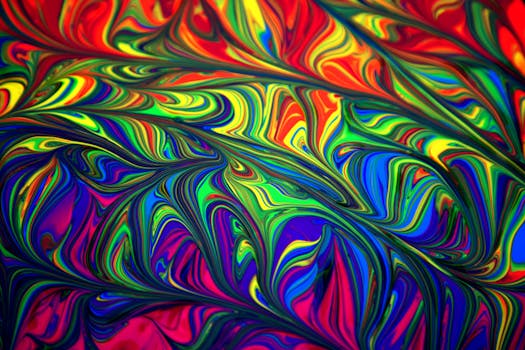
The world of airbrushed art is a fascinating and creative domain where imagination meets precision. This unique form of art involves using an airbrush—essentially a small, air-operated tool—to spray paint or ink onto a surface. Recognized for its smooth graduations and ability to produce intricate detail without brush strokes, airbrushed art captivates artists and enthusiasts alike. Whether you are a budding artist or a seasoned professional, exploring the techniques and inspiring possibilities of airbrushed art can greatly enrich your creative endeavors.
Understanding Airbrushed Art Techniques
Airbrushed art requires both skill and creativity. The technique evolved from basic painting and revolutionized how artists approach their canvases. Here are some of the fundamental techniques every artist should know:
- Freehand Airbrushing: This is the most basic form, where artists directly apply the paint onto the surface without using stencils or masks. It requires steady control of the airbrush for precision.
- Masking: Artists use masking techniques to protect certain areas from paint, allowing for clean edges and specific designs.
- Stenciling: Stencils provide a guide for applying paint and can create repeated and detailed patterns or graphics.
- Gradients: One of the most lauded aspects of airbrushing is achieving smooth color gradients, which can add depth and realism to artworks.
Materials and Tools for Airbrushed Art
Creating airbrushed art requires specific tools and materials that are integral to the process:
- Airbrush: The primary tool, available in varying types, including gravity-feed or siphon-feed models.
- Compressor: Provides the necessary air pressure to operate the airbrush, with adjustable settings for different techniques.
- Paints: Specially formulated paints designed for airbrushing, available in a broad spectrum of colors and finishes.
- Surfaces: Airbrushed art can be applied to canvas, paper, automotive surfaces, textiles, and more.
Historical Influence and Inspirations in Airbrushed Art
The history of airbrushing dates back to the late 19th century. It was initially used for retouching photographs and applying colors to paintings. Over the years, it has become a mainstream art form. Various artists and industries have played a part in advancing airbrushed art by incorporating it into popular culture, advertising, and beyond. Inspiration can be drawn from nature, urban environments, abstract concepts, or even the rich history of airbrushing itself.
In modern times, airbrushed art continues to evolve as artists integrate new technologies and materials. There’s also been a resurgence of interest in learning techniques that enhance more traditional creative practices. For those interested in a European artistic education, you might explore studying at some of the best art schools in Europe, which may offer courses in airbrushing technology and applications.
Community and Resources for Airbrushed Art Enthusiasts
Joining a community of airbrushed art enthusiasts can provide valuable support and inspiration. Online forums, local art groups, and workshops offer avenues to share ideas and techniques. Engaging with other artists can lead to collaborative projects and exhibitions, enhancing networking opportunities.
Additionally, numerous resources are available online where you can learn more about airbrushing techniques and history. For scholarly articles and educational resources, the Wikipedia article on education can provide broader context and helpful insights.
The Future of Airbrushed Art
As technological advancements continue, airbrushed art is likely to witness further transformation. Digital airbrushing tools are becoming more common, allowing for even greater creative expression and experimentation. Artists are increasingly combining traditional airbrushing with digital techniques to create unique works that embrace the best of both worlds.
Overall, the future looks bright for airbrushed art as more artists explore its potential and incorporate it into their creative processes. Whether you are looking to learn about airbrushing or improve your skills, there is much to look forward to in this ever-evolving form of art.
Airbrushed art deserves appreciation for its ability to blend imagination and technique into stunning visual masterpieces.
- Airbrushed art blends precision and creativity.
- Key techniques include freehand painting, masking, and stenciling.
- An airbrush, compressor, and paints are essential tools.
- Continued innovation is likely as digital methods merge with traditional techniques.
- Exploring art schools in Europe can offer academic and creative growth.
What is airbrushed art used for?
Airbrushed art is used in various fields, including illustration, fine art, automotive painting, makeup, and custom design on clothing and other materials.
Is airbrushing difficult to learn?
Learning to airbrush can be challenging at first, but with practice and dedication, you can develop the necessary control and technique over time.
Can airbrushed art be created digitally?
Yes, digital airbrushing tools and software are increasingly popular, allowing artists to blend traditional airbrush techniques with digital art forms.
What materials can airbrushed art be applied to?
Airbrushed art can be applied to numerous surfaces, including canvas, paper, textiles, and metals, making it a versatile form of artistry.
Where can I find more information on learning about airbrushed art?
Engaging with online tutorials, enrolling in art classes, and participating in airbrushing workshops are excellent ways to learn and improve your airbrushed art skills.