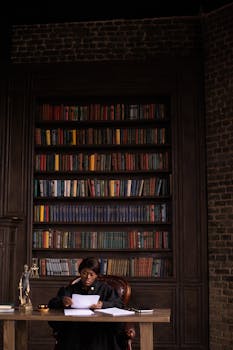
Becoming a courtroom sketch artist is a unique profession that blends art with the legal world. If you’re considering this career path, you might be curious about the courtroom sketch artist salary. Understanding the financial aspect is essential for deciding whether this profession aligns with your goals and expectations. In this article, we’ll delve into what you can anticipate in terms of earnings, the factors that influence salary, and potential growth in this field.
The Courtroom Sketch Artist Salary
The salary of a courtroom sketch artist can vary significantly depending on several factors. On average, earnings can range from $15,000 to $50,000 per year. This wide range reflects the diverse opportunities and locations where court artists work. It’s important to note that many courtroom sketch artists work as freelancers, which can impact their income stability and benefits.
Factors Influencing the Courtroom Artist Salary
There are several key elements that affect a courtroom artist’s salary. One primary factor is location. Artists located in major urban centers, where significant legal proceedings occur, often have higher earning potential. Additionally, experience plays a crucial role; seasoned artists with a strong portfolio can command higher fees for their work.
Another factor is the type of assignments an artist accepts. Those who engage in high-profile cases or work with media outlets typically earn more than those focusing on routine court sessions. Lastly, cultivating a broad set of skills, such as digital illustration techniques, can enhance an artist’s marketability and potentially increase earnings.
Building a Career as a Courtroom Artist
To succeed and maximize your courtroom artist salary, it’s essential to build a solid foundation in art and design. Formal education in fine arts or a related field can be beneficial. Numerous scholarships are available for aspiring artists, which can be explored further on our scholarships for art students guide.
Developing a diversified portfolio showcasing your ability to quickly and accurately depict courtroom scenes is critical. Networking within legal and media circles can also open doors to more lucrative assignments.
Pros and Cons of Being a Court Artist
Pursuing a career as a courtroom artist comes with its unique set of advantages and challenges. On the positive side, this profession allows for creativity while engaging with important legal events. Artists often experience a sense of fulfillment when their work brings courtroom scenes to life for the public.
However, the job can be demanding. Artists must often work under tight deadlines and capture complex scenes during rapidly-paced proceedings. Additionally, the stability of work can fluctuate, making financial planning a necessity.
The Future Outlook for Courtroom Artists
The demand for courtroom artists varies with changes in media consumption and technological advancements. While some courts have shifted to digital recording, the timeless value of traditional sketch art remains significant. High-profile cases and restrictions on cameras in certain courtrooms ensure that the role of the courtroom artist remains crucial.
Furthermore, as legal dramas capture the public’s imagination, the demand for courtroom sketches for educational and entertainment purposes remains strong. This continued demand helps support a viable career and stable courtroom artist salary for those skilled in this unique art form.
For a comprehensive understanding of career opportunities and earnings in this niche field, you can visit reliable resources such as the Wikipedia entry on courtroom sketch artists.
Conclusion
The courtroom sketch artist salary provides a glimpse into a rewarding yet challenging career that marries artistic skill with the dynamic world of law. While earnings can vary, the opportunity to capture the drama and intricacies of courtroom proceedings makes this a compelling career choice for many artists.
- Salary range varies based on location and experience.
- Freelancing is common, impacting income stability.
- Education and networking are crucial for success.
- Technological changes influence demand for sketch artists.
- A career offering creative fulfilment alongside legal insights.
What influences a courtroom sketch artist’s salary?
Location, experience, the complexity of assignments, and skill diversification significantly affect earnings.
How can I enhance my earnings as a court artist?
Building a strong portfolio, gaining exposure to high-profile cases, and developing additional skills such as digital art can improve earning potential.
Is formal education necessary to become a courtroom artist?
While not mandatory, a formal art education can be beneficial and scholarships are available for aspiring artists seeking academic advancement.
Are courtroom artists still relevant today?
Yes, the enduring appeal of traditional art and restrictions on courtroom photography in some jurisdictions ensure ongoing relevance.
Where can I find more career opportunities as a courtroom artist?
Networking and staying informed through industry resources can unveil new opportunities. Additionally, considering roles in related fields can broaden prospects.