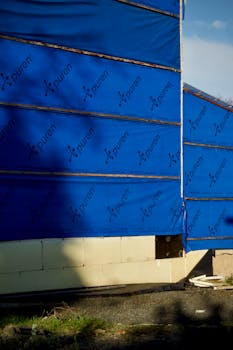
Foil board insulation is an innovative technique gaining attention in the construction and home improvement sectors. Known for its excellence in enhancing energy efficiency, foil board insulation provides an effective barrier against heat transfer, promoting a comfortable indoor climate throughout the year. This process involves using rigid panels lined with reflective foil, acting as both a thermal barrier and a radiant barrier, crucial for reducing energy consumption.
Understanding Foil Board Insulation
Foil board insulation typically comprises of a core material, such as polyisocyanurate or expanded polystyrene, which is sandwiched between reflective aluminum foils. This design helps in reflecting radiant heat away during summer and retaining warmth in winter, ensuring energy savings. Implementing this insulation technique can significantly cut down utility bills, making it a cost-effective solution for homeowners.
Benefits of Foil Board Insulation
One of the primary benefits of foil board insulation is its high thermal resistance, often measured by its R-value. Higher R-values signify superior insulation effectiveness, providing more resistance to heat flow. Moreover, foil board insulation is lightweight, easy to install, and offers versatility, as it can be used in walls, floors, and roofs.
Beyond saving on energy costs, foil board insulation contributes to a more sustainable environment by lowering carbon emissions associated with heating and cooling. Additionally, its moisture-resistant properties help prevent mold growth, contributing to a healthier indoor environment.
Installation Techniques
Proper installation of foil board insulation is critical to maximizing its efficiency. Here are the basic steps involved:
- Preparation: Measure the area needing insulation. Ensure surfaces are clean and dry.
- Cutting: Use a sharp utility knife or a saw blade suitable for cutting insulation boards to minimize dust and achieve precise cuts.
- Placement: For walls, place the boards tightly between studs. In roofs and floors, boards can be laid over trusses or joists, with gaps sealed using foil tape.
- Sealing: Properly seal the edges and joints to prevent any thermal bridging and ensure airtightness.
Following these techniques helps in achieving optimal performance of the insulation, thus maximizing energy efficiency.
Applications in Different Constructions
Foil board insulation can be applied to new constructions and retrofits alike. In residential buildings, it is a popular choice for attics, basements, and crawl spaces. In commercial buildings, it is used in warehouses and office spaces, adapting to different layouts and requirements.
For more detailed insights on utilizing foil board insulation in various settings, explore our comprehensive guides available at ScholarsHub.net.
Innovations in Foil Board Insulation Techniques
Advancements in material science have led to the development of innovative foil board insulation techniques. For instance, some manufacturers are producing boards with integrated vapor barriers, providing an all-in-one solution that simplifies insulation processes. Additionally, novel composite materials are being explored to enhance durability and temperature regulation.
The integration of smart technology into insulation systems is another exciting area of development. With IoT sensors, it’s now possible to monitor insulation effectiveness in real-time, allowing homeowners and facility managers to make data-driven decisions about energy use.
Challenges and Considerations
While foil board insulation offers numerous benefits, certain challenges need addressing. Proper handling and installation require consideration of the material’s fragility and potential for breakage. It’s crucial to work with professionals who understand the nuances involved. Additionally, compatibility with other building materials must be assessed to avoid performance issues.
Regulations and standards dictated by specific regions must also be followed meticulously. Consulting local building codes before embarking on any insulation project ensures compliance and safety.
For industry insights and current standards, you can refer to the EPA’s ENERGY STAR program which provides guidelines on energy-efficient construction.
Future Prospects
The future of foil board insulation looks promising, with ongoing research and development efforts aimed at enhancing its properties. Innovations in recyclable and biodegradable insulation options are also gaining traction, reflecting a broader trend towards sustainability in construction materials.
As energy efficiency remains a core focus for builders and environmentalists alike, foil board insulation stands as a cornerstone technology in the push for greener homes and buildings. Ensuring its efficient application and integration into design will be key to unlocking its full potential.
Foil board insulation continues to revolutionize the way we manage thermal efficiency in buildings, offering a reliable and cost-effective solution. By combining traditional insulation principles with modern advancements, it provides a pathway towards sustainable and energy-efficient living spaces.
- Foil board insulation enhances thermal efficiency and comfort.
- Offers significant savings on energy bills.
- Versatile in application across different building types.
- Innovative products and techniques continue improving its performance.
- Key to sustainable construction efforts globally.
What is foil board insulation?
Foil board insulation consists of an insulating core sandwiched between layers of reflective foil, designed to reduce heat transfer and improve energy efficiency in buildings.
How does foil board insulation work?
It works by reflecting radiant heat, providing a barrier against thermal energy transfer, which keeps homes cooler in summer and warmer in winter.
Where can I use foil board insulation?
It can be used in various parts of a building, including walls, roofs, floors, attics, and basements.
What are the benefits of using foil board insulation?
Benefits include improved energy efficiency, reduced utility costs, moisture resistance, and contribution to environmental sustainability.
Are there any limitations to foil board insulation?
Potential limitations include installation challenges and ensuring the material’s compatibility with existing building components, as well as adherence to local building codes.